Transitioning from a crib to a toddler bed is a significant milestone in a child’s development, marking their growing independence and need for personal space. However, with various sizes and types of toddler beds available, it’s essential for parents to understand the options to make an informed decision. This guide will explore toddler bed sizes, their specifications, and tips to choose the best one for your child.
Why Choose a Toddler Bed?
Toddler beds are specifically designed for children aged 2-5 years. They offer a lower height than standard twin beds, making it easier for toddlers to get in and out safely. The benefits of toddler beds include:
- Safety: The lower height reduces the risk of injury from falls.
- Independence: Enables toddlers to climb in and out on their own.
- Transition: Helps ease the shift from crib to bed.
- Space-Saving: Ideal for smaller bedrooms.
Common Toddler Bed Sizes

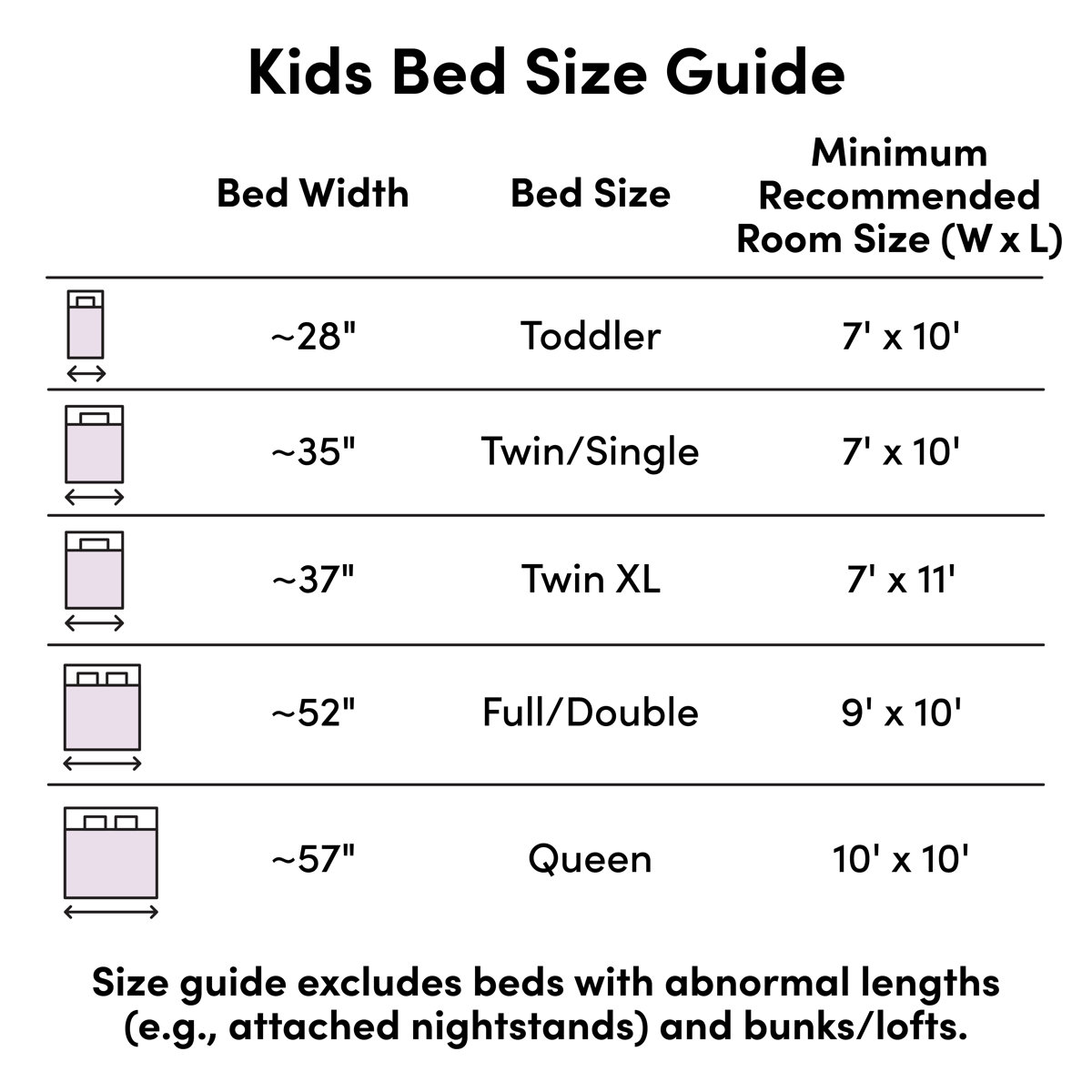
Toddler beds typically come in a few standard sizes, which are essential to consider when making a purchase. Understanding these dimensions can help ensure that your child’s new bed fits well in the available space and accommodates their growth.
1. Standard Toddler Bed Size
The most common size for a toddler bed is similar to that of a crib mattress. The dimensions are:
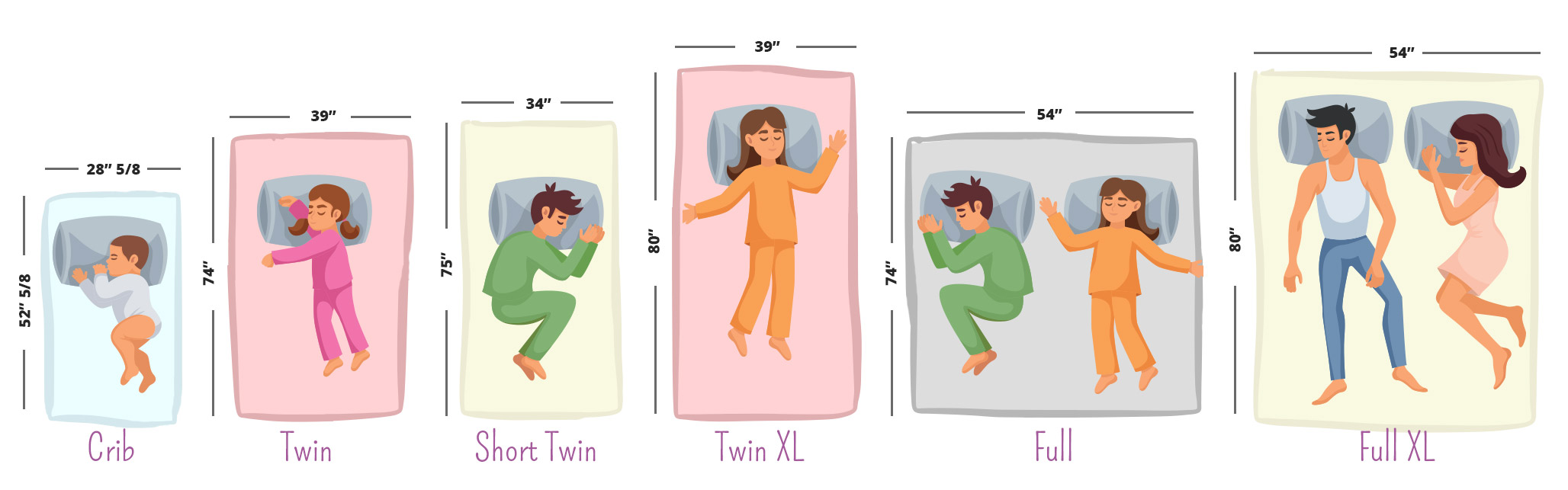
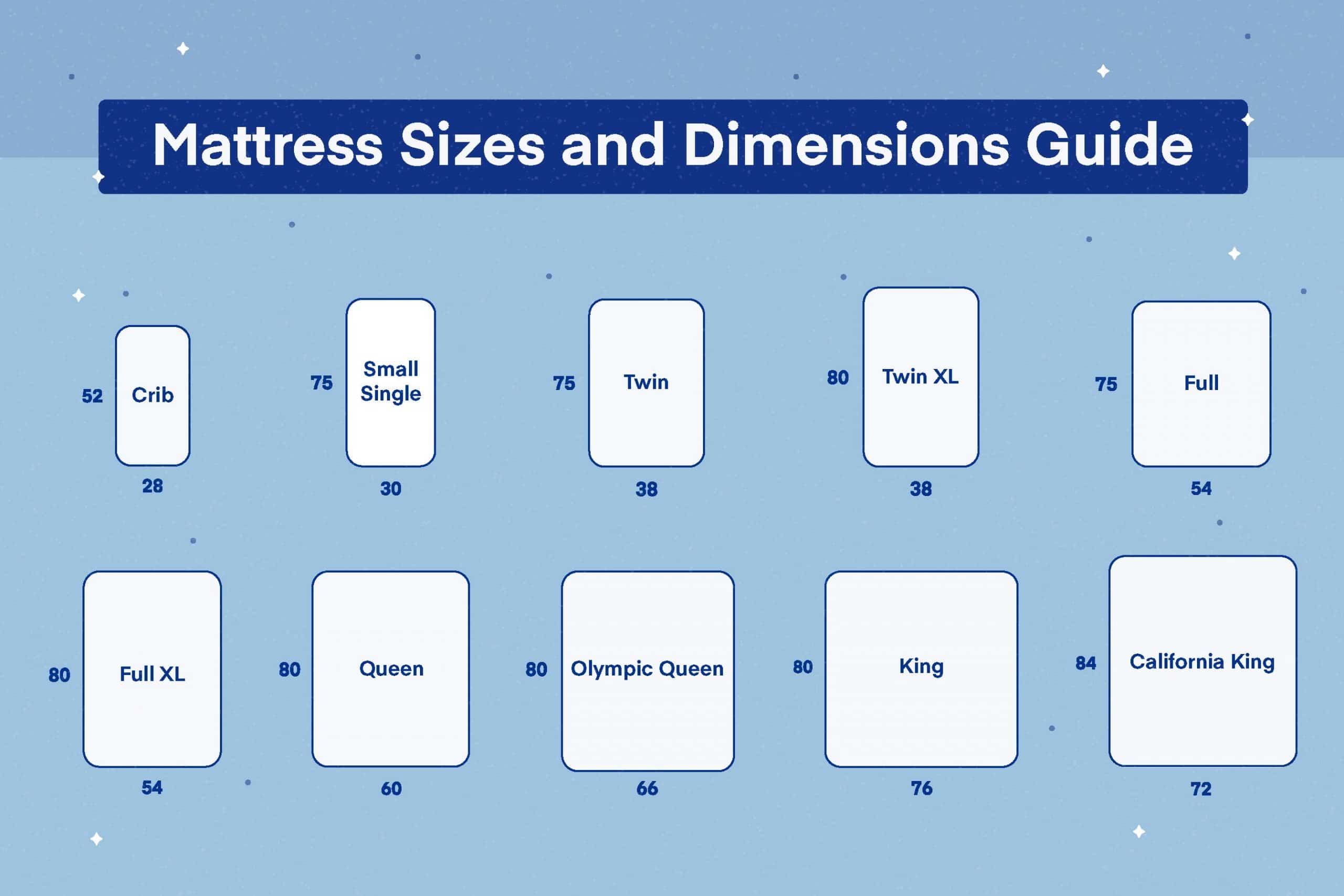
- Mattress Size: 27.5 inches wide x 52 inches long
- Bed Frame Size: Usually slightly larger to accommodate the mattress and provide stability
2. Twin Bed Size
Some parents opt for a twin bed as a more long-term solution. The dimensions are:
- Mattress Size: 38 inches wide x 75 inches long
- Bed Frame Size: Slightly larger, often allowing for a headboard and side rails
Choosing a twin bed may be advantageous for taller children or those who are likely to outgrow a toddler bed quickly.
3. Mini Toddler Bed Size
Mini toddler beds are a compact option suitable for smaller rooms. Their dimensions are:
- Mattress Size: 24 inches wide x 38 inches long
- Bed Frame Size: Slightly larger for stability
Mini beds are ideal for space-constrained areas, but they may not last as long as standard toddler beds.
Choosing the Right Toddler Bed: Factors to Consider
When selecting a toddler bed, several factors should be taken into account to ensure that it meets your child’s needs and fits your home. Here are some key considerations:
1. Safety Features

Safety should be the top priority. Look for features such as:
- Guardrails: Essential for preventing falls, especially for restless sleepers.
- Sturdy Construction: Ensure the bed is made of durable materials that can withstand a toddler’s activity.
- Low Height: A bed that is closer to the ground minimizes the risk of injury.
2. Room Size and Layout
Consider the available space in your child’s room. Measure the area to ensure the bed fits comfortably, allowing for additional furniture and play space.
3. Longevity and Growth
While a standard toddler bed is perfectly suited for most children, you may want to consider options that allow for growth:
- Convertible Beds: Some toddler beds can convert into twin beds, providing a longer-term solution.
- Adjustable Headboards: A bed with an adjustable headboard can accommodate your child’s growth.
4. Style and Design
The design of the bed should also resonate with your child’s preferences and the room’s aesthetic. Popular styles include:
- Classic Wooden Beds: Timeless and sturdy.
- Themed Beds: Beds designed to resemble cars, princess castles, or animals can make bedtime more appealing.
- Modern Designs: Sleek lines and minimalist styles for contemporary homes.
Case Studies: Real-Life Experiences
To provide practical insights, let’s explore two case studies of families who transitioned their toddlers to beds.
Case Study 1: The Smith Family
The Smiths opted for a standard toddler bed for their 3-year-old son, Jack. They chose a bed with guardrails and a fun, colorful design. After a few nights, Jack transitioned smoothly, enjoying his newfound independence and expressing excitement about bedtime. The bed provided a cozy space, and the Smiths noticed that Jack slept better compared to his crib days.
Case Study 2: The Johnson Family
The Johnsons decided to invest in a convertible toddler bed for their daughter, Mia, who is 4 years old. They anticipated that she would outgrow a standard toddler bed quickly. The convertible bed transitioned into a twin bed as Mia grew, providing excellent value for their investment. Mia loved the bed’s whimsical design, and her parents appreciated the longevity it offered.
Statistics on Toddler Beds
Understanding the popularity and effectiveness of toddler beds can further inform your decision:
- According to a 2022 survey by the National Sleep Foundation, 70% of parents reported that their toddlers adapted well to their new beds.
- Research by the American Academy of Pediatrics suggests that transitioning to a toddler bed at around age 2.5 can lead to better sleep patterns.
- Market analysis shows that the toddler bed industry is expected to grow by 6% annually as more parents seek space-efficient and safe sleeping options for their children.
Choosing the right toddler bed is a crucial step in helping your child transition from a crib to their own sleeping space. By understanding the various sizes, safety features, and design options available, you can make an informed decision that caters to your child’s needs and preferences. Remember to consider the longevity of the bed, the room’s layout, and your child’s safety. Whether you opt for a standard, mini, or convertible bed, the goal is to foster a comfortable and secure sleeping environment for your little one. With the right toddler bed, you can help nurture their growing independence while ensuring a restful night’s sleep.
