The fire helmet, an iconic symbol of bravery and resilience, has undergone continuous evolution. While the primary function of protecting firefighters from heat, impact, and falling debris remains paramount, the accessories that enhance its utility are also witnessing significant advancements. Among these, the humble helmet front holder, often overlooked, is experiencing a quiet revolution in design. This article delves into the innovative designs of fire helmet front holders, exploring what’s new and why these seemingly minor modifications are making a substantial difference in the field.
The Enduring Importance of the Helmet Front

The helmet front, a decorative shield typically affixed to the front of the helmet, serves a dual purpose. Traditionally, it bears the department’s insignia, fostering a sense of identity and pride within the firefighting community. However, beyond its symbolic value, the front also offers a robust platform for attaching essential equipment. This is where the design of the front holder becomes critical. A poorly designed holder can lead to equipment loss, compromise the helmet’s integrity, or even create hazards during critical operations. Conversely, an innovative holder can significantly enhance a firefighter’s efficiency and safety.
Traditional Challenges of Helmet Front Holders

For decades, helmet front holders have relied on relatively simple, often screw-based, mechanisms. While these have proven functional, they present several drawbacks:
- Security Concerns: Screws can loosen over time due to vibrations and impact, leading to the detachment of valuable equipment like SCBA regulator clips or flashlight mounts.
- Installation Complexity: Replacing or reattaching fronts and their accessories can be time-consuming and require tools, which are not always readily available in the field.
- Limited Versatility: Many older designs are specific to a particular helmet model or front type, offering little flexibility for firefighters who may use different equipment or helmets.
- Ergonomic Issues: In some cases, traditional holders can snag on debris or impede the helmet’s overall fit, causing discomfort during prolonged wear.
- Aesthetics vs. Functionality: Early designs often prioritized aesthetics over practical functionality, leading to bulkier or less secure mounting solutions.
The Dawn of Innovative Front Holder Designs
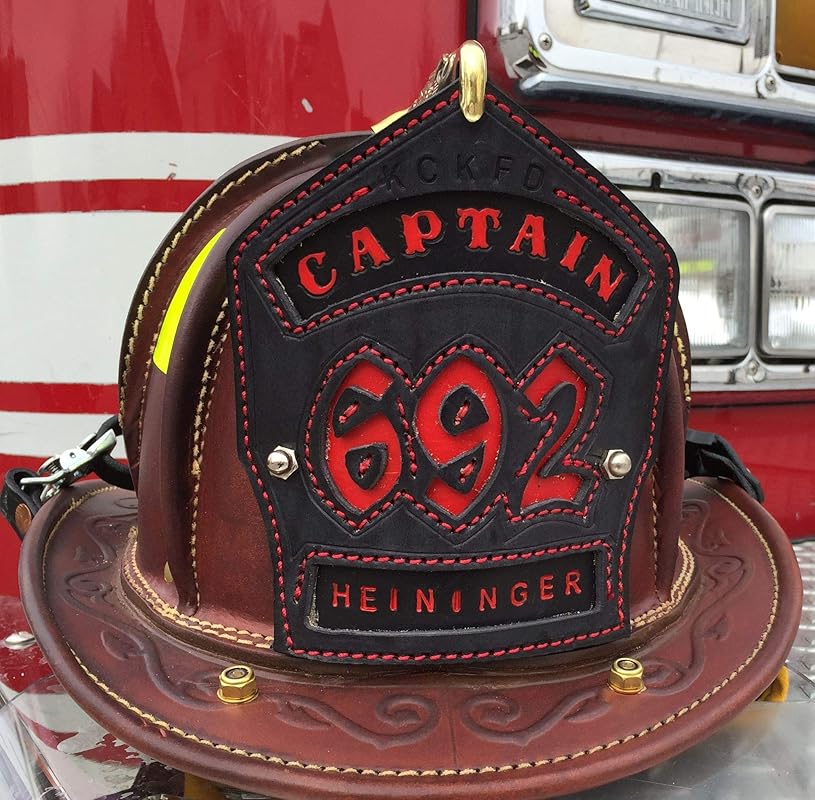
Recognizing these limitations, manufacturers have been investing in research and development to create more robust, versatile, and user-friendly front holder systems. The focus is on streamlining the attachment and detachment process while ensuring unparalleled security and compatibility.
Quick-Release Mechanisms: Speed and Security

One of the most significant innovations is the widespread adoption of quick-release mechanisms. These systems allow firefighters to swiftly attach and detach their helmet fronts and associated accessories without the need for tools. Common technologies include:
- Snap-Fit Systems: Utilizing robust snap-fit connectors, these designs offer a satisfying click upon secure attachment. Examples include designs that integrate interlocking tabs and slots, ensuring a tight and secure fit.
- Bayonet Mounts: Similar to the locking mechanism on camera lenses, bayonet mounts allow for a twist-and-lock action, providing a secure and quick connection.
- Magnetic Systems (with caution): While magnets offer the fastest attachment, their use for critical equipment attachment is often approached with caution due to potential interference with electronic devices or the risk of slippage under extreme stress. However, some designs use a magnetic primary lock with a secondary mechanical securement.
Case Study: The “Sure-Lock” System
Several manufacturers have introduced proprietary quick-release systems. For instance, the “Sure-Lock” system, implemented by some helmet brands, uses a combination of precision-engineered clips and reinforced locking points. Field trials have shown that a firefighter can replace a damaged front or reconfigure their helmet accessories in under 30 seconds, a critical advantage during critical incidents.
Modular Design: Adaptability and Customization

The concept of modularity is transforming helmet front holders. Instead of a single, monolithic piece, modern designs often consist of multiple components that can be configured to suit individual needs. This allows firefighters to:
- Mount Different Accessories: Firefighters can easily swap out holders for different equipment, such as SCBA regulators, thermal imaging cameras, communication devices, or even specialized lighting.
- Optimize Weight Distribution: Modular components allow for better weight distribution, reducing neck strain and improving overall comfort during long shifts.
- Future-Proofing: As new technologies emerge, firefighters can simply acquire new modular attachments rather than replacing their entire helmet or front holder system.
Example: Integrated Accessory Rails
Some innovative designs incorporate integrated accessory rails on the helmet itself, to which specialized front holder modules can be attached. This approach offers a highly customizable platform that can accommodate a wide array of equipment, from simple clip attachments to more complex integrated systems.
Material Science Advancements: Durability and Lightweight Solutions

The materials used in front holders are also evolving. Gone are the days of solely relying on basic plastics and metals. New materials offer:
- High-Strength Composites: Advanced polymer composites provide exceptional strength and impact resistance while remaining lightweight. This reduces the overall weight of the helmet, a significant factor for firefighter fatigue.
- Corrosion-Resistant Alloys: For components exposed to moisture and harsh chemicals, specialized alloys are being used to prevent corrosion and ensure longevity.
- UV-Stabilized Polymers: Materials that resist degradation from sunlight exposure ensure the long-term durability and structural integrity of the holder.
The use of these advanced materials contributes to a longer product lifespan and reduces the frequency of replacements, offering long-term cost savings for fire departments.
Ergonomics and Safety Enhancements
Beyond attachment mechanisms and materials, innovative designs also focus on improving the user experience and safety:
- Low-Profile Designs: Modern holders are often designed to be more streamlined, reducing the chances of snagging on wires, debris, or during operations in confined spaces.
- Integrated Cable Management: Some designs incorporate channels or clips for managing communication cables, preventing them from getting tangled or damaged.
- Enhanced Visibility Features: While not directly part of the holder’s function, the design of the front holder can influence the visibility of reflective elements or integrated lighting solutions.
The focus on ergonomics directly translates to improved firefighter performance and reduced risk of injury. A comfortable and secure helmet allows for better focus and decision-making in high-stress environments.
The Impact of These Innovations
The advancements in fire helmet front holder design are not merely incremental improvements; they are fundamentally changing how firefighters interact with their essential protective gear. The key benefits include:
- Increased Operational Efficiency: Quick-release and modular systems allow for faster equipment changes and customization, saving precious time in critical situations.
- Enhanced Safety: Secure attachment mechanisms prevent equipment loss, reducing the risk of accidents. Low-profile designs minimize snagging hazards.
- Improved Firefighter Comfort: Lightweight materials and ergonomic designs contribute to reduced fatigue and enhanced wearer comfort, especially during extended operations.
- Greater Versatility: Modular systems empower firefighters to adapt their helmets to a wider range of operational needs and equipment.
- Reduced Long-Term Costs: Durable materials and modularity lead to longer product lifecycles and fewer replacements, offering cost savings for fire departments.
The Future of Helmet Front Holders
The innovation in fire helmet front holders is far from over. We can anticipate further developments in areas such as:
- Smart Integration: Future holders may incorporate sensors to monitor equipment status, battery levels, or even environmental conditions.
- 3D Printing and Customization: Advancements in 3D printing could allow for highly customized front holder solutions tailored to individual firefighter anatomy and specific operational requirements.
- Advanced Materials with Integrated Functionality: Exploration of new materials that possess inherent properties like self-healing capabilities or enhanced thermal insulation for the attached equipment.
- Universal Compatibility Standards: A push towards industry-wide standards for front holder interfaces could simplify procurement and ensure interoperability across different helmet brands.
The fire helmet front holder, once a secondary consideration, has emerged as a focal point for innovation. The shift from basic screw-based systems to sophisticated quick-release, modular, and material-advanced designs is a testament to the ongoing commitment to firefighter safety and operational effectiveness. These advancements, while subtle, contribute significantly to a firefighter’s ability to perform their demanding duties with greater efficiency, security, and comfort. As technology continues to evolve, we can expect even more groundbreaking developments in this crucial, yet often understated, component of firefighting equipment.
