The mid-century modern design movement, spanning from the 1940s to the 1960s, brought about a significant transformation in various facets of design, including furniture, architecture, and everyday objects. Among these, wall clocks emerged as a fascinating intersection of functionality and artistic expression. This article delves into the design evolution of mid-century wall clocks, exploring their historical context, key design elements, notable designers, and enduring legacy.
The Historical Context of Mid-Century Design
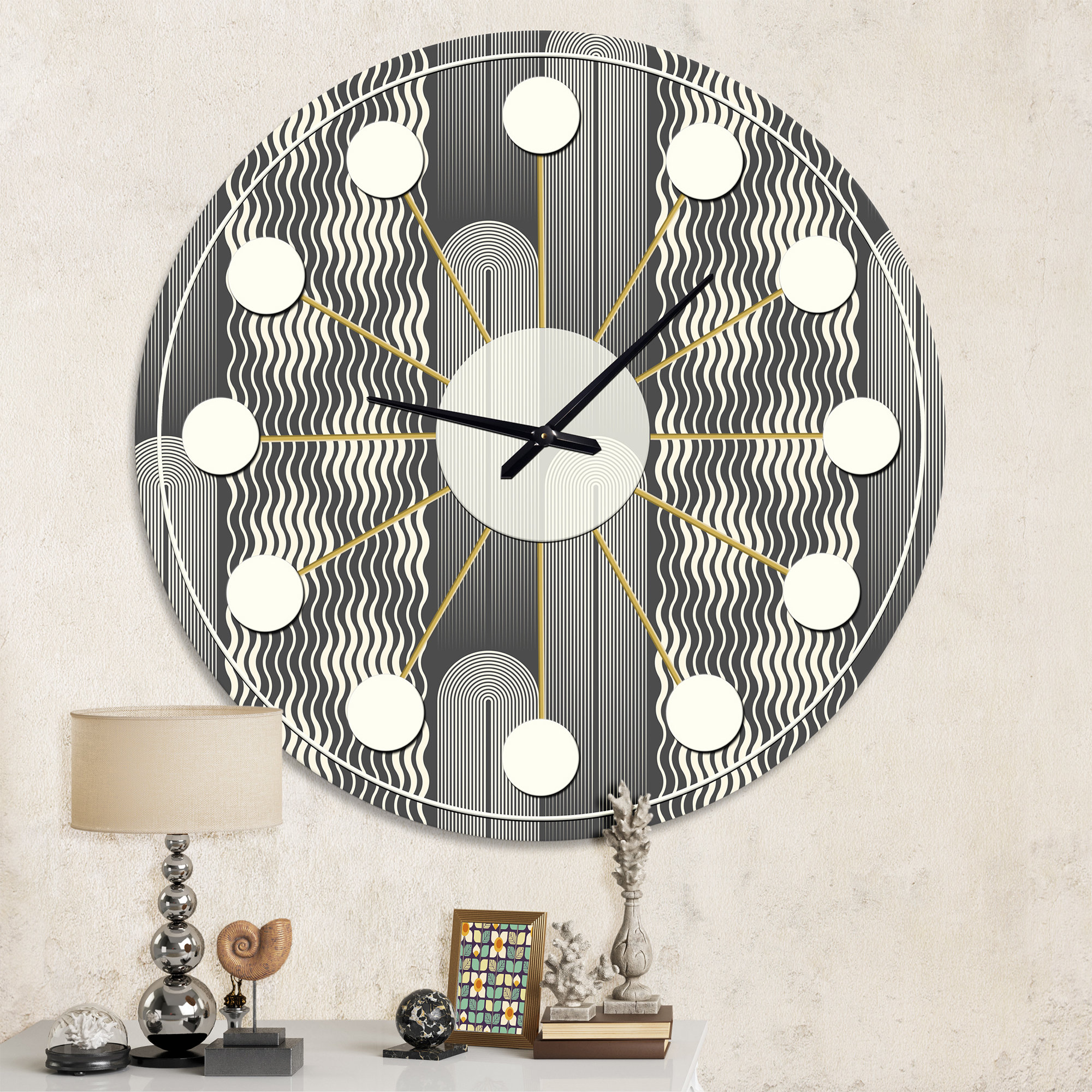
The mid-century modern movement arose in the aftermath of World War II, a time of economic prosperity and cultural shift in the United States and parts of Europe. People were eager to embrace new materials and technologies, leading to innovative designs that broke away from the ornate styles of the past. This period was characterized by:
- Simplicity and Minimalism: Designers sought clean lines and functional forms.
- Integration with Nature: A focus on organic shapes and materials that connected interiors with the outdoors.
- New Materials: The use of plastics, metals, and engineered wood became prevalent.
- Post-War Optimism: A sense of hope and progress influenced design aesthetics.
In this context, wall clocks became more than mere timekeeping devices; they transformed into statement pieces that reflected the era’s artistic sensibilities.
Key Design Elements of Mid-Century Wall Clocks
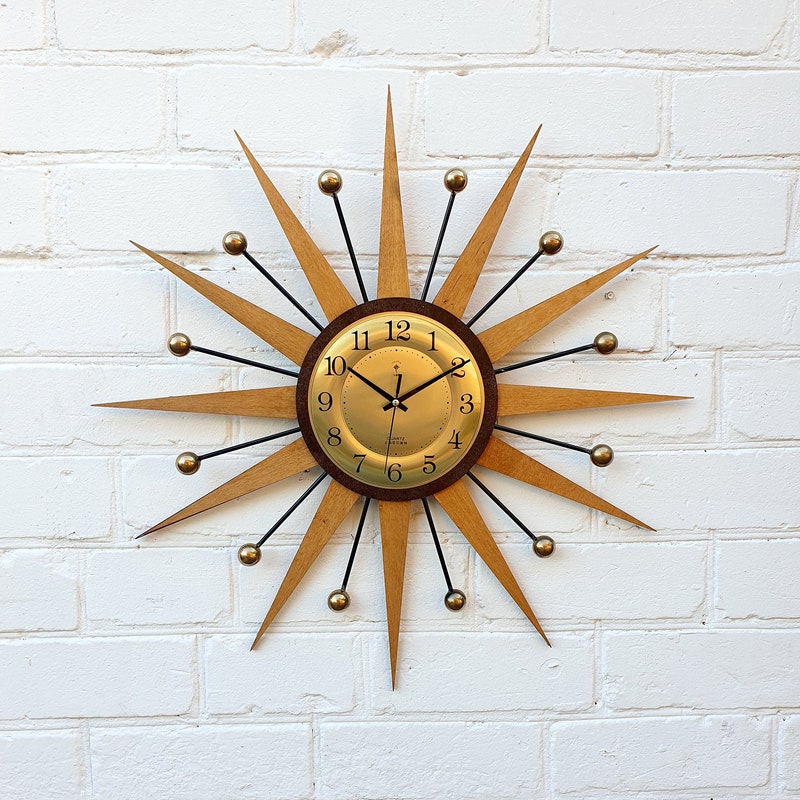
The design of mid-century wall clocks was marked by several defining characteristics that set them apart from previous designs:
- Geometric Shapes: Clocks featured bold geometric patterns and shapes, often incorporating circles, triangles, and sunburst motifs.
- Color Palette: Vibrant colors such as orange, teal, and yellow were prevalent, often contrasting with natural wood tones.
- Materials: A mix of materials like wood, metal, and glass was commonly used, highlighting craftsmanship and innovation.
- Movement Mechanisms: The introduction of quartz technology in the late 1960s improved accuracy and allowed for slimmer designs.
These design elements not only served aesthetic purposes but also reflected the broader cultural trends of the mid-20th century, emphasizing a shift toward modernity and simplicity.
Notable Designers and Brands
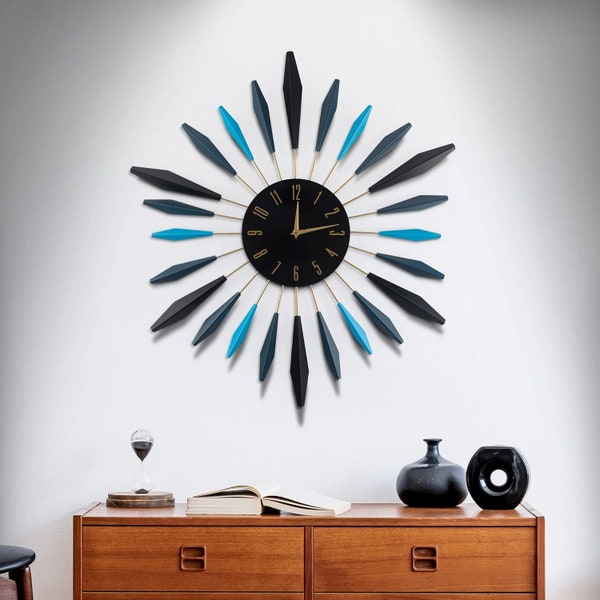
Several designers and brands played pivotal roles in shaping the landscape of mid-century wall clocks. Here are some of the most influential figures and their contributions:
- George Nelson: A leading figure in American design, Nelson created iconic wall clocks that featured playful forms and innovative use of materials. His “Sunflower Clock” is a prime example.
- Eames Office: Charles and Ray Eames produced clocks that reflected their philosophy of functional beauty, often incorporating wood and bold graphics.
- Howard Miller: This brand became synonymous with quality and design, producing clocks that combined traditional craftsmanship with modern aesthetics.
- Junghans: A German manufacturer that excelled in clock-making, Junghans offered a range of wall clocks that epitomized the mid-century ethos of simplicity and elegance.
These designers and brands not only created timeless pieces but also set the stage for future generations of designers to explore the interplay between form and function.
Iconic Examples of Mid-Century Wall Clocks

Several wall clocks from the mid-century era have achieved iconic status due to their innovative designs and cultural significance. Here are a few noteworthy examples:
- George Nelson’s Sunburst Clock: This clock features elongated rays radiating from a central point, embodying the optimism of the era and becoming a hallmark of mid-century design.
- Vitra’s Clock by George Nelson: A reissue of Nelson’s designs, Vitra continues to produce these clocks, ensuring their relevance in contemporary design.
- Eames Clock: The Eames Office produced several clocks that showcased the couple’s signature style, often incorporating playful designs and colors.
- Howard Miller Clocks: With a wide variety of styles, Howard Miller’s clocks often featured elegant, understated designs that complemented mid-century interiors.
These clocks not only served their practical purpose but also became cultural artifacts, representing the design philosophy of their time.
The Impact of Technology on Wall Clock Design
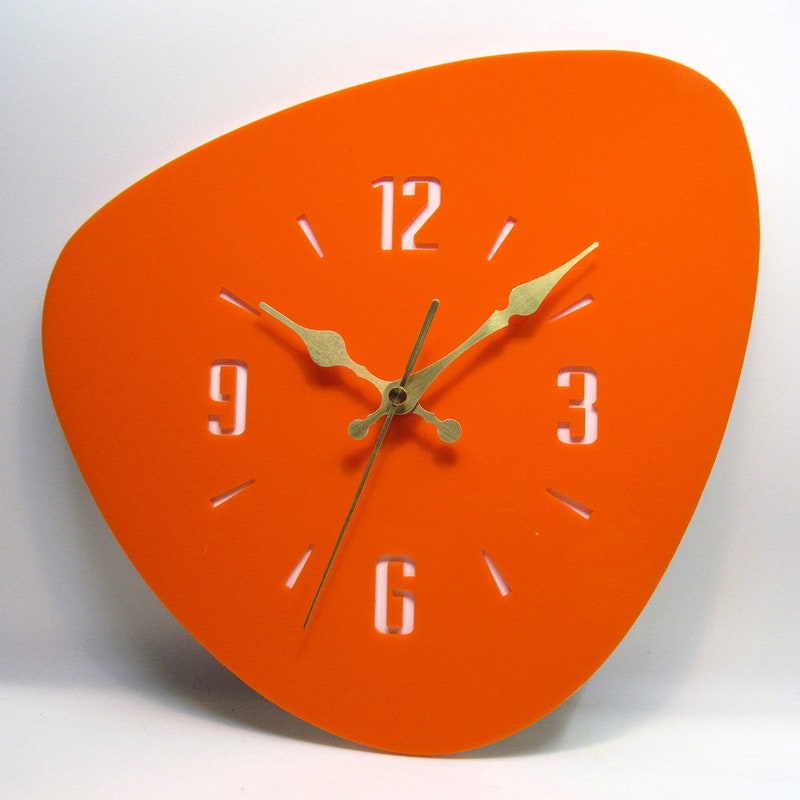
The evolution of technology had a profound impact on wall clock design, particularly in the transition from mechanical to quartz movements. Key developments include:
- Quartz Movement: Introduced in the late 1960s, quartz technology offered greater accuracy and reduced the size of clock mechanisms, allowing for sleeker designs.
- Battery-Powered Clocks: The shift to battery power simplified clock design and eliminated the need for winding, making clocks more user-friendly.
- Digital Displays: While not strictly mid-century, the advent of digital clocks in the late 20th century marked a significant departure from traditional designs.
These technological advancements expanded the possibilities of clock design, leading to new forms and functions that would influence future generations.
The Enduring Legacy of Mid-Century Wall Clocks
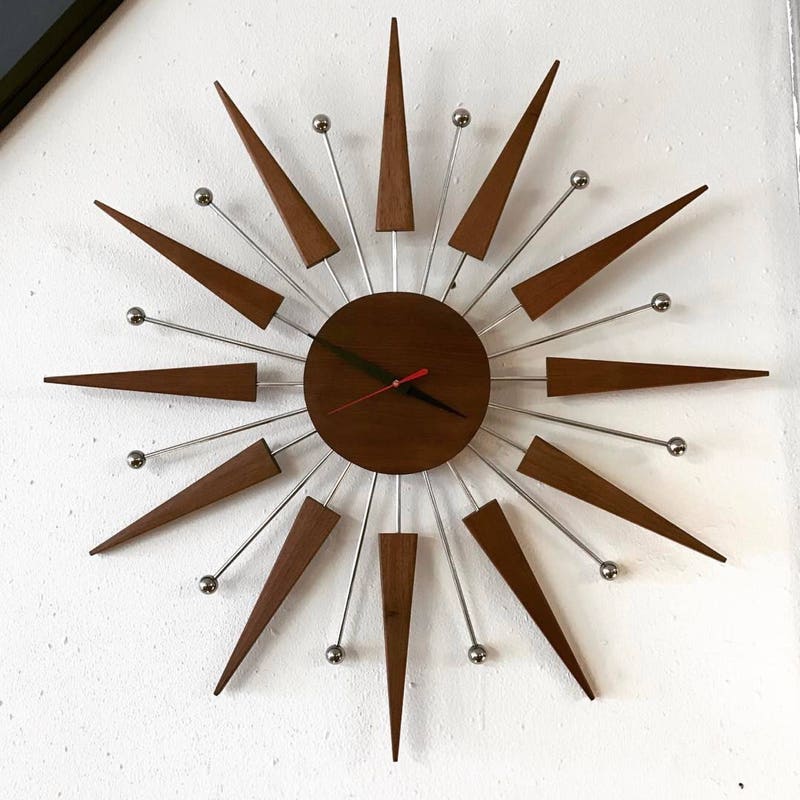
Today, mid-century wall clocks continue to captivate collectors, designers, and homeowners alike. Their enduring appeal can be attributed to several factors:
- Timeless Aesthetics: The clean lines and functional beauty of mid-century clocks fit seamlessly into contemporary interiors.
- Collectibility: Vintage mid-century clocks are highly sought after in the collector’s market, often fetching high prices at auctions and specialty shops.
- Influence on Modern Design: Many contemporary designers draw inspiration from mid-century forms, ensuring that these designs remain relevant.
The resurgence of interest in mid-century modern design, fueled by social media and vintage marketplaces, has further cemented the status of these clocks as design icons.
The design evolution of mid-century wall clocks reflects a fascinating interplay between art, technology, and cultural shifts of the time. From their origins in the post-war era to their enduring popularity today, these clocks symbolize a pivotal moment in design history. The combination of innovative materials, playful forms, and functional beauty made mid-century wall clocks not only practical timekeeping devices but also cherished works of art.
As we look back on this iconic era, it is clear that mid-century wall clocks have left an indelible mark on the world of design, inspiring generations of creators and collectors. Their legacy continues to thrive, reminding us of the power of design to transcend time and place.
