The humble gas station nozzle. For most drivers, it’s an afterthought, a functional tool that dispenses liquid gold for their vehicle. However, beneath its utilitarian exterior lies a surprisingly nuanced world, where the seemingly insignificant nozzle can have an impact on your refueling experience, your vehicle’s health, and even your wallet. This guide aims to demystify the choices presented at the pump, empowering you to make informed decisions and avoid potential pitfalls.
The Anatomy of a Gas Station Nozzle: More Than Meets the Eye
Before we delve into selection, understanding the basic components of a gas station nozzle is crucial. While designs vary slightly between manufacturers and regions, most share common elements:
- The Spout: This is the part that inserts into your vehicle’s fuel filler neck. It’s designed to create a relatively sealed connection to minimize vapor escape.
- The Trigger: The lever you squeeze to initiate fuel flow. Most nozzles have a locking mechanism to keep the trigger engaged, allowing for hands-free refueling.
- The Vapor Return System: This is a crucial, often overlooked feature. Many modern nozzles have a second, smaller opening that connects to a vent in your fuel filler neck. This system captures fuel vapors that would otherwise escape into the atmosphere and redirects them back into the underground storage tank. This is a significant environmental and safety feature.
- The Hold-Open Latch: This mechanism allows you to lock the trigger in place once you’ve begun refueling.
- The Shutoff Sensor: Located at the tip of the spout, this sensor detects when the fuel tank is nearing full and automatically shuts off the flow to prevent overfilling.
- The Handle: The part you grip to manipulate the nozzle.
Types of Nozzles: A Spectrum of Options
While the fundamental purpose remains the same, you’ll encounter a few distinct types of nozzles at gas stations:
Standard Unleaded Nozzles
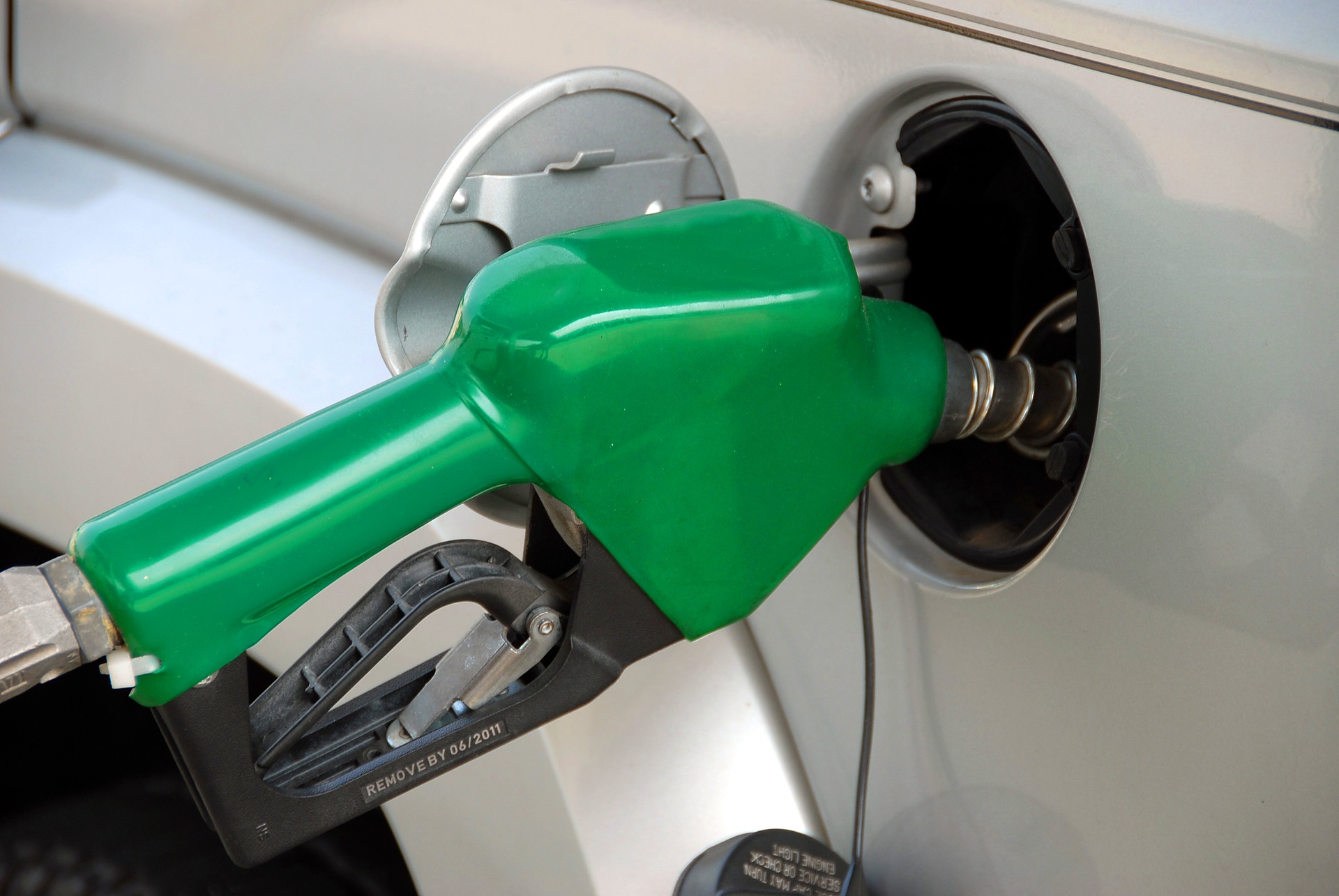
These are the most common. They are designed for gasoline and typically feature a simple, sturdy construction. The spout diameter is standardized for most passenger vehicles. For environmental and safety reasons, almost all new standard nozzles are equipped with vapor recovery systems.
Diesel Nozzles
Diesel nozzles are physically different and are designed to prevent accidental dispensing into gasoline vehicles. They are typically:
- Larger in diameter: This is a crucial safety feature, as diesel spouts are too wide to fit into the fuel filler necks of most gasoline-powered cars.
- Often colored differently: While not a universal standard, diesel nozzles are frequently colored black or have a distinct marking to differentiate them from gasoline nozzles.
- May have a magnetic tip: Some diesel nozzles have a magnetic tip that interacts with a corresponding magnet in diesel filler necks, ensuring a proper connection.
Case Study: The Accidental Diesel Fill-up. A common and costly mistake is filling a gasoline car with diesel fuel. This can lead to significant engine damage and expensive repairs. The physical differences in nozzle size are designed to mitigate this risk, but driver inattention remains a factor.
Ethanol-Blended Fuel Nozzles (E85, Flex Fuel)
For vehicles designed to run on higher ethanol blends like E85, you’ll find specialized nozzles. These are often:
- Clearly labeled: Look for markings indicating E85 or Flex Fuel.
- May have a different spout design: While less common, some regions might have slightly different spout configurations for these fuels.
Important Note: Never attempt to put E85 or other high-ethanol blends into a vehicle not designed for them. Doing so can damage fuel system components, leading to poor performance and costly repairs.
Propane Nozzles

These are distinct and specifically designed for propane-powered vehicles or tanks. They have a different connection mechanism and are not interchangeable with gasoline or diesel nozzles.
Key Considerations When Choosing a Nozzle
While the types of nozzles are fairly distinct, there are subtle nuances and best practices to consider during the refueling process:
1. Visual Inspection: The First Line of Defense
Before you even touch a nozzle, give it a quick visual once-over. Look for:
- Damage: Cracks, frayed hoses, or loose parts can indicate wear and tear. A damaged nozzle can compromise the seal, leading to fuel leaks or vapor escape.
- Cleanliness: While not directly impacting performance, a dirty nozzle can be unhygienic.
- Proper Sealing: Ensure the rubber or plastic boot around the spout is intact. This helps create a better seal with your vehicle’s filler neck.
2. The Vapor Recovery System: Your Environmental Ally
As mentioned, vapor recovery is a critical feature. Most modern nozzles are equipped with it. When you insert the nozzle, the vapor return collar should engage with your vehicle’s filler neck. You’ll often hear a slight hiss as it connects. This system is vital for reducing:
- Air Pollution: Fuel vapors contain volatile organic compounds (VOCs) that contribute to smog formation.
- Health Risks: Exposure to fuel vapors can be harmful to human health.
- Fuel Loss: By returning vapors to the tank, you’re effectively getting every last drop you pay for.
Statistic: According to the U.S. Environmental Protection Agency (EPA), vapor recovery systems can reduce fugitive fuel emissions by over 95% during refueling.
3. The Shutoff Mechanism: Preventing the Spill
The automatic shutoff sensor is your best friend in preventing overfilling. When the fuel level rises and contacts the sensor, it triggers a mechanism that stops the fuel flow. However, sometimes this can be overly sensitive or malfunctioning.
- Listen for the Click: When the nozzle shuts off automatically, you’ll hear a distinct “click” or “thump” as the mechanism engages.
- Gentle Refueling: Don’t try to “top off” your tank by continuing to squeeze the trigger after the automatic shutoff. This can damage the vapor recovery system and potentially lead to spills.
- Troubleshooting: If the nozzle shuts off prematurely, it might be a sign of an issue with your vehicle’s fuel tank vent or the nozzle itself.
4. The Hold-Open Latch: Convenience and Caution

The hold-open latch is a convenience feature. However, use it with caution:
- Never Leave Unattended: Even with the latch engaged, never walk away from your vehicle while it’s refueling. A malfunction or spill could occur.
- Monitor the Flow: Keep an eye on the fuel gauge or the display at the pump to avoid overfilling, even with the latch engaged.
5. Fuel Type Matching: The Golden Rule
This cannot be stressed enough. Always ensure you are selecting the correct fuel type for your vehicle. Consult your car’s owner’s manual or the label inside the fuel filler door if you are unsure.
When to Be Wary: Red Flags at the Pump

While most gas station nozzles are well-maintained, you might encounter situations where caution is advised:
- Leaking Nozzles: If you notice fuel dripping from the nozzle itself, even when not actively dispensing, avoid using it.
- Malfunctioning Shutoff: If the automatic shutoff fails to engage, do not continue to fill. Remove the nozzle carefully and report the issue to the station attendant.
- Damaged Vapor Recovery Collars: The rubber or plastic boot around the spout should be intact. If it’s torn or missing, it compromises the vapor recovery system.
- Unusual Noises: While some sounds are normal, a grinding or excessively loud operation might indicate a mechanical problem.
Statistics: While difficult to pinpoint exact numbers, incidents of fuel spills and associated environmental damage are often linked to malfunctioning refueling equipment, including nozzles.
Beyond the Nozzle: Best Practices for Refueling
Choosing the right nozzle is just one piece of the puzzle. Here are some additional best practices for a safe and efficient refueling experience:
- Turn Off Your Engine: Always turn off your vehicle’s engine before refueling. This is a crucial fire safety measure.
- Avoid Static Electricity: Touch a metal surface on your car before touching the nozzle to discharge any static electricity.
- Don’t Smoke: Never smoke or use open flames near a gas station.
- Refuel in Well-Ventilated Areas: Gas stations are designed for this, but avoid prolonged exposure to fumes.
- Report Issues: If you encounter any problems with a nozzle or the refueling equipment, report it to the gas station attendant. Your feedback helps ensure the safety of other drivers.
The gas station nozzle, often overlooked, plays a vital role in our daily lives. By understanding its different types, the importance of features like vapor recovery, and by exercising vigilance through visual inspection and careful operation, drivers can ensure a safer, more efficient, and environmentally responsible refueling experience. Remember, a few extra moments of attention at the pump can prevent costly mistakes, protect your vehicle, and contribute to a healthier planet. The next time you pull up to the pump, take a moment to appreciate the technology at your fingertips and make an informed choice – your vehicle and the environment will thank you.
