When it comes to creating a sturdy and durable bed frame, the choice of wood plays a critical role. Not only does the type of wood impact the frame’s strength and longevity, but it also affects the overall aesthetic of the bedroom. In this article, we will explore the strongest wood options available for building a bed frame, providing insights into their properties, benefits, and potential drawbacks.
The Importance of Choosing the Right Wood
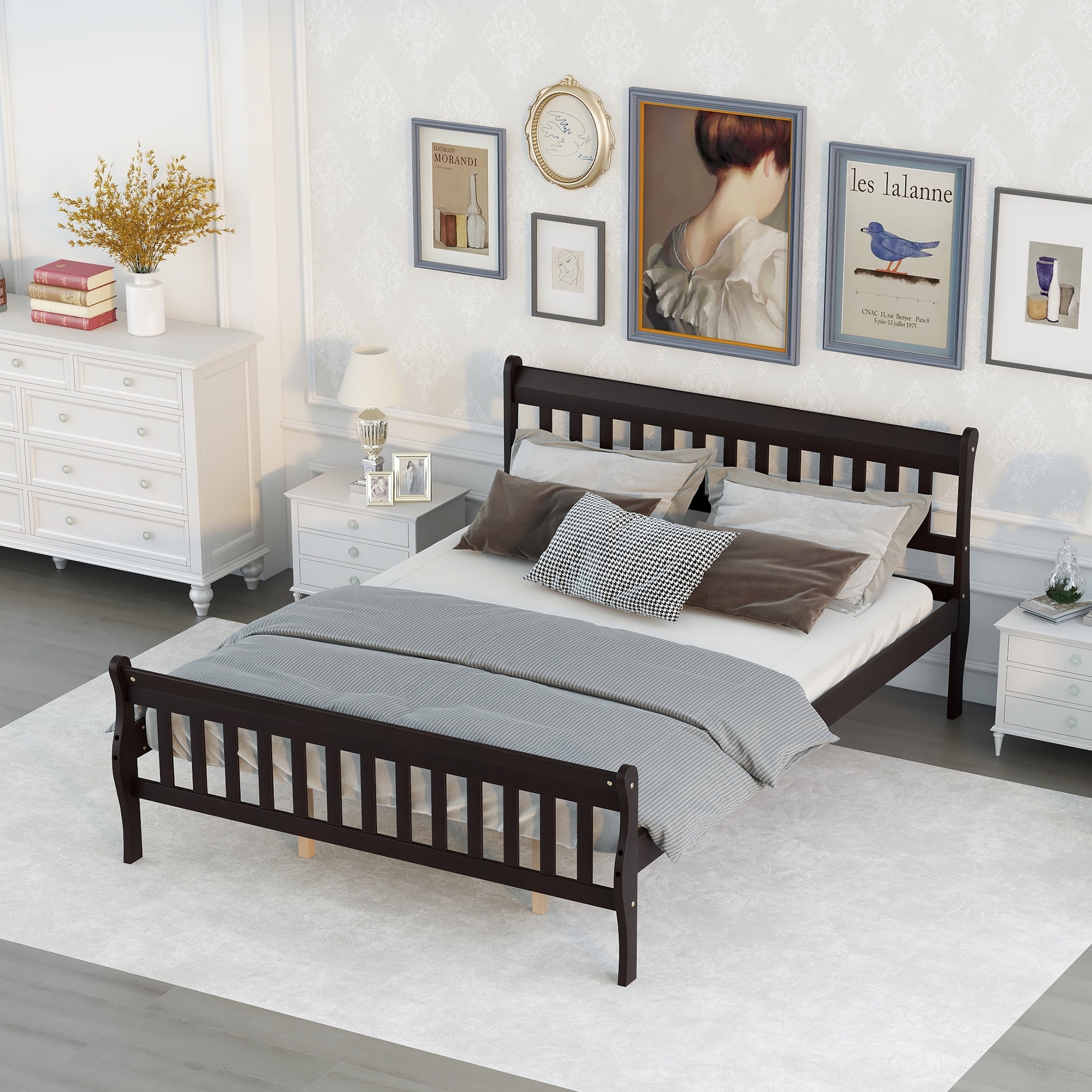
Choosing the right wood for your bed frame is essential for several reasons:
- Durability: A bed frame must withstand constant use, so selecting a durable wood can ensure it lasts for years.
- Stability: Strong woods can provide better support for mattresses, reducing the risk of sagging.
- Aesthetic Appeal: Different types of wood offer various colors, grains, and textures that can enhance the visual appeal of your bedroom.
- Cost: Some woods are more affordable than others, impacting your overall budget for the project.
Top Wood Choices for Bed Frames
Here are some of the strongest wood options for building a bed frame, along with their characteristics, benefits, and drawbacks:
1. Oak
Oak is a popular choice for bed frames due to its exceptional strength and durability. It is a hardwood that comes in two varieties: red oak and white oak.
- Strength: Oak is known for its high density, making it resistant to wear and tear.
- Aesthetic: Oak features a beautiful grain pattern and can be stained to match various decors.
- Resistance: It is naturally resistant to fungal attacks and insect infestations.
However, oak can be heavy, which may pose challenges during construction and moving. Additionally, it can be more expensive than softer woods.
2. Maple
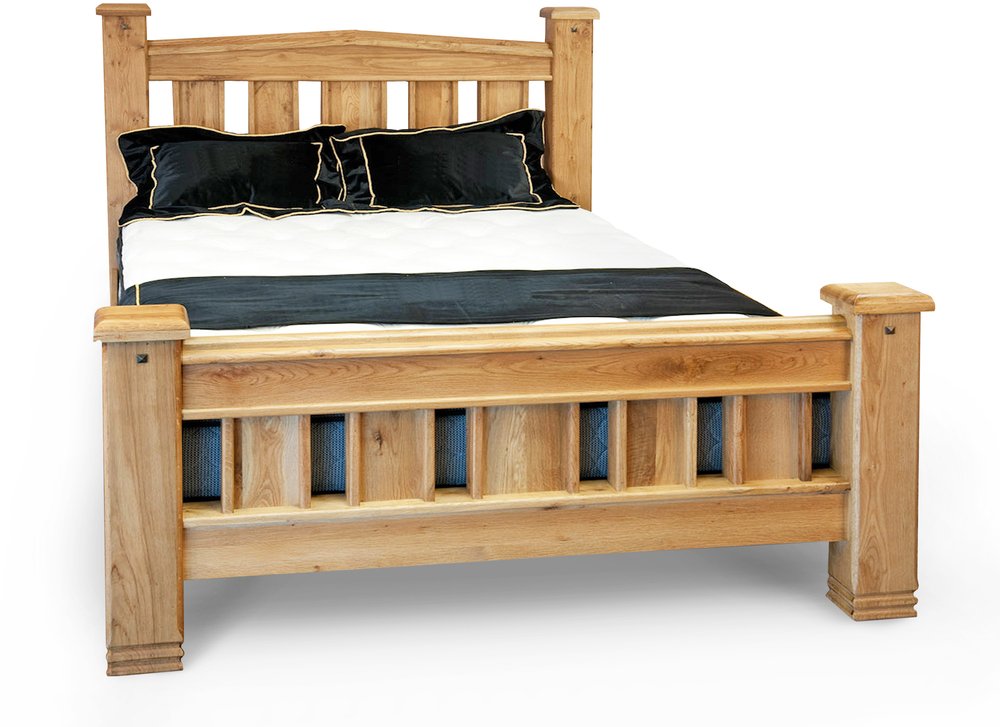
Maple is another hardwood recognized for its strength and versatility. It is available in several types, including soft maple and hard maple, with the latter being the stronger option.
- Durability: Hard maple has a higher Janka hardness rating than oak, making it one of the toughest woods available.
- Appearance: It has a fine, uniform grain that provides a clean and modern look.
- Stability: Maple is less likely to warp or shrink due to changes in humidity.
On the downside, hard maple can be challenging to work with due to its density, and it may require specialized tools for cutting and shaping.
3. Cherry

Cherry wood is cherished for its rich color and smooth texture. While it may not be as hard as oak or maple, it offers other benefits that make it a good choice for bed frames.
- Beauty: Cherry is renowned for its warm, reddish-brown hue that deepens over time.
- Workability: It is easier to work with compared to other hardwoods, making it ideal for intricate designs.
- Durability: Cherry has a decent strength-to-weight ratio, providing adequate support for most mattresses.
However, cherry wood is generally more expensive and may dent more easily than harder woods.
4. Hickory
Hickory is one of the hardest domestic woods available, making it an excellent option for bed frames requiring exceptional strength.
- Strength: Hickory boasts a very high Janka hardness rating, which means it can withstand heavy loads and resist damage.
- Flexibility: It has good shock resistance, making it less likely to break under stress.
- Appearance: Hickory has a unique grain pattern, often featuring contrasting colors that add character to furniture.
The main disadvantage of hickory is its weight, which can make it cumbersome to work with, and it may also be more challenging to find than more common hardwoods.
5. Teak

Teak is a tropical hardwood known for its remarkable durability and water resistance. It is often used in outdoor furniture but can also make a striking bed frame.
- Longevity: Teak has natural oils that protect it from moisture, making it resistant to warping and decay.
- Stability: It is less likely to warp or crack compared to other woods, even in fluctuating climates.
- Luxury Appeal: Teak has a rich golden color and a fine grain, giving it a luxurious look.
However, teak is one of the more expensive woods and may not be practical for every budget. Additionally, its sourcing can raise sustainability concerns if not sourced responsibly.
Case Studies: Real-World Applications
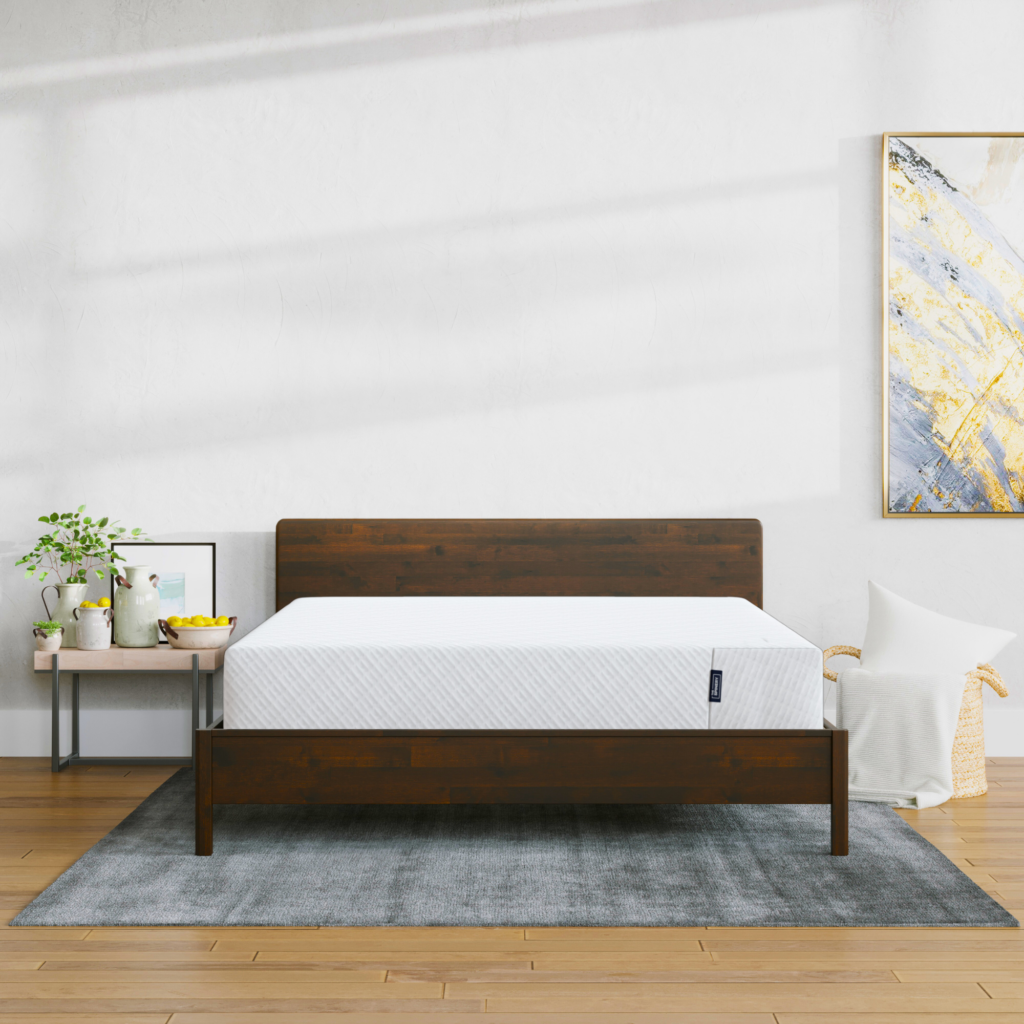
Several furniture makers and DIY enthusiasts have successfully built bed frames using these wood options. For example, a case study of a local furniture maker in Oregon revealed that oak frames were in high demand due to their durability and classic appearance. Customers appreciated the longevity of oak, often passing down the frames through generations.
Conversely, a DIY enthusiast who built a hickory bed frame reported satisfaction with its strength, particularly in supporting a heavy mattress. Despite the challenges of working with hickory, the final product’s durability and unique aesthetic made the effort worthwhile.
Statistics to Consider
When choosing wood for bed frames, consider the following statistics:
- The average lifespan of a well-constructed hardwood bed frame is approximately 15-20 years, compared to 5-10 years for softer woods.
- Hardwoods like oak and maple typically have a Janka hardness rating of over 1000, making them suitable for heavy use.
- Teak’s natural oils can extend the lifespan of furniture by up to 50%, especially in humid environments.
Conclusion: Making the Right Choice for Your Bed Frame

Building a bed frame is an investment in comfort, style, and durability. The choice of wood is paramount in determining the quality and longevity of the frame. Oak, maple, cherry, hickory, and teak each offer unique advantages and considerations, making them suitable for various needs and preferences.
Ultimately, the best wood for your bed frame will depend on your budget, aesthetic preferences, and the importance of durability in your decision-making process. By taking the time to consider these factors, you can create a beautiful and robust bed frame that will enhance your bedroom for years to come.
