In a world increasingly dominated by industrial agriculture and mass-produced food, the allure of wildlife dishes stands out as a testament to the beauty and diversity of nature. These culinary creations not only tantalize the taste buds but also offer a unique connection to the environment. From foraged ingredients to game meats, wildlife dishes encapsulate the essence of our planet’s rich ecosystems. This article explores the concept of wildlife dishes, their cultural significance, and how they can enhance our dining experiences.
The Essence of Wildlife Dishes
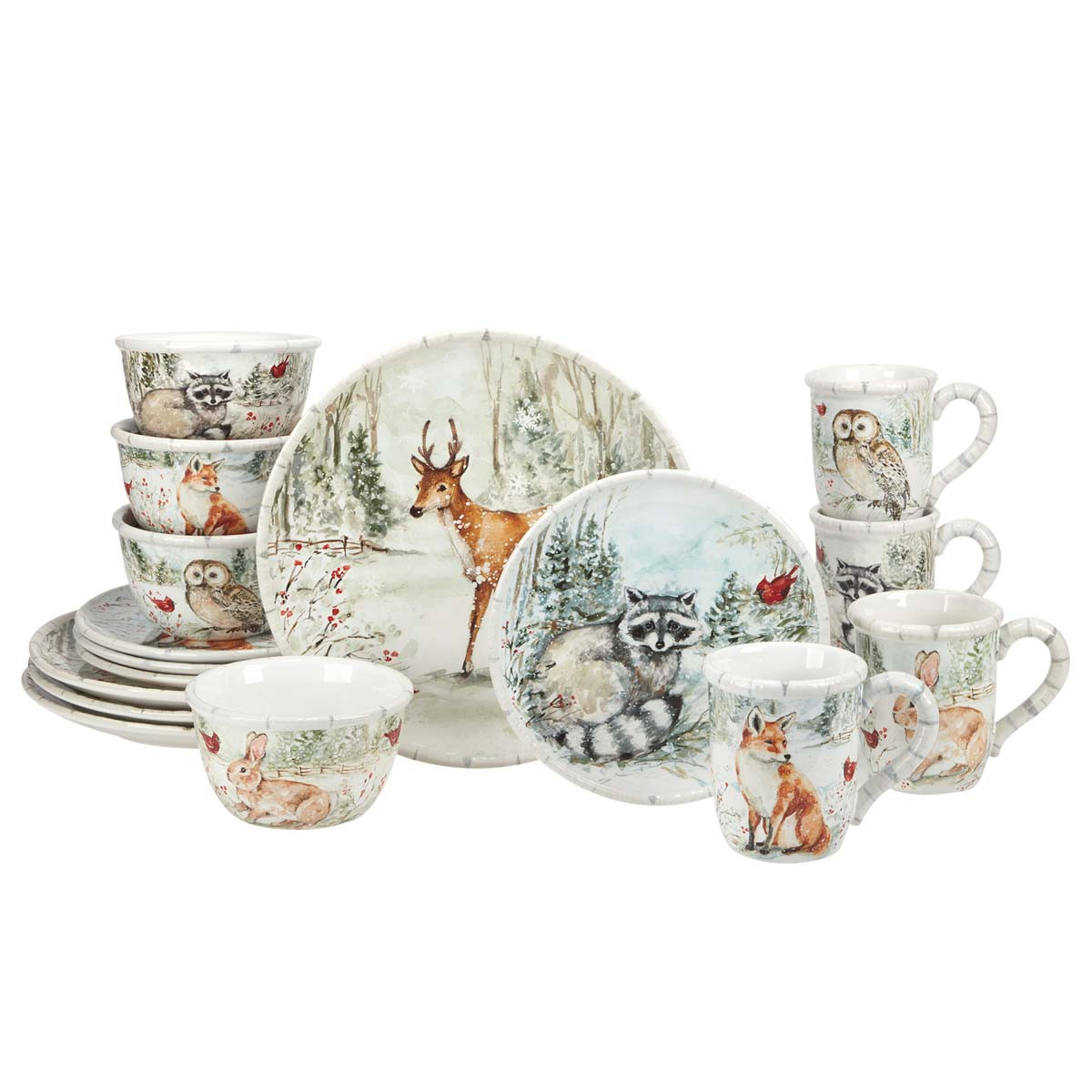
Wildlife dishes refer to meals that incorporate ingredients sourced from nature, often including game meats, fish, and foraged plants. These dishes can vary significantly across cultures, reflecting local traditions, available resources, and seasonal changes.
- Game Meats: These include venison, wild boar, rabbit, and even birds like pheasant and quail.
- Foraged Ingredients: Edible plants, mushrooms, and herbs that are gathered from the wild, such as ramps or wild garlic.
- Freshwater and Saltwater Fish: Wild-caught fish like salmon, trout, and shellfish offer distinct flavors that differ from farmed varieties.
Embracing these elements not only celebrates biodiversity but also promotes sustainability and ethical eating practices. When sourced responsibly, wildlife dishes can contribute positively to local ecosystems and economies.
Cultural Significance of Wildlife Dishes

The preparation and consumption of wildlife dishes are deeply rooted in various cultures around the globe. These meals often hold significant cultural importance, representing traditions passed down through generations.
Indigenous and Traditional Communities

For many indigenous peoples, wildlife dishes are a crucial part of their identity and way of life. They often rely on hunting and gathering for sustenance, using techniques that have been refined over centuries.
- Native American Cuisine: Many Native American tribes incorporate game meat and foraged plants into their diets, with dishes such as venison stew and wild berry pies.
- Scandinavian Foraging: The Nordic countries have a long tradition of foraging, with dishes featuring mushrooms, berries, and fresh-caught fish being staples.
These practices not only provide nourishment but also foster a deep respect for the land and its resources. The connection to nature is palpable in these dishes, making them more than just food—they are a celebration of cultural heritage.
Modern Culinary Trends
In recent years, there has been a resurgence of interest in wildlife dishes among chefs and food enthusiasts. This trend is often linked to the farm-to-table movement, which emphasizes locally sourced, seasonal ingredients.
- Gastronomy Innovations: Renowned chefs are experimenting with game meats and foraged ingredients, creating innovative dishes that highlight their unique flavors.
- Food Festivals: Events focused on wild food, such as the Wild Game Festival in Montana, celebrate the culinary potential of game and foraged foods.
This modern approach to wildlife dishes not only champions sustainability but also encourages diners to appreciate the complexity and depth of flavors that nature provides.
The Health Benefits of Wildlife Dishes
In addition to their cultural significance, wildlife dishes offer various health benefits that can enhance the dining experience.
- Higher Nutritional Value: Game meats are often leaner and higher in protein compared to conventionally raised livestock.
- Rich in Omega-3 Fatty Acids: Wild-caught fish are typically richer in omega-3s, which are beneficial for heart health.
- Natural Ingredients: Foraged plants are often free from pesticides and chemicals, making them a healthier choice.
By incorporating wildlife dishes into our diets, we not only nourish our bodies but also support sustainable practices that benefit the environment.
Case Studies: Successful Wildlife Dishes

Several restaurants and chefs have successfully integrated wildlife dishes into their menus, showcasing the potential of these ingredients to enhance the dining experience.
Farm-to-Table Restaurants

Restaurants like Blue Hill at Stone Barns in New York focus on local sourcing and seasonal ingredients, including locally hunted game and foraged plants. Their menu changes frequently, reflecting the availability of wildlife ingredients, and they often host events that educate diners about sustainable practices.
Wild Food Pop-Ups
Pop-up restaurants such as Forage in London specialize in wild food and foraging experiences. They offer tasting menus that feature dishes like roasted venison with wild mushrooms and elderflower sorbet, providing diners with an immersive experience that connects them to nature.
Tips for Enjoying Wildlife Dishes at Home

For those interested in bringing the beauty of wildlife dishes into their own kitchens, here are some tips to get started:
- Source Responsibly: Look for local farms or markets that offer game meats and foraged ingredients.
- Learn Foraging Techniques: Consider taking a foraging class to safely identify and harvest edible plants.
- Experiment with Recipes: Start with simple recipes that highlight the natural flavors of game meats and foraged ingredients.
By embracing these practices, home cooks can create their own wildlife dishes that celebrate the beauty of nature.
Wildlife dishes offer a unique opportunity to connect with nature through food. They are not only a celebration of culinary heritage but also a commitment to sustainability and health. As we navigate a world increasingly detached from our food sources, embracing wildlife dishes can remind us of the beauty and richness of our ecosystems. From cultural significance to modern culinary trends, the allure of wildlife dishes is undeniable. By incorporating these elements into our dining experiences, we can savor the flavors of the wild while supporting ethical and sustainable practices. The next time you sit down to a meal, consider the journey of your food and the nature that nurtured it, making every bite a celebration of life itself.
