Non-pasted wallpaper is a popular choice for home decor due to its versatility and aesthetic appeal. Unlike traditional pasted wallpaper, which comes with adhesive on the back, non-pasted wallpaper requires a separate adhesive to be applied. This type of wallpaper can be more durable and easier to remove when the time comes for a change. However, proper maintenance is crucial to ensure it remains in pristine condition. In this article, we will explore top tips for maintaining your non-pasted wallpaper, ensuring that it continues to enhance your space for years to come.
Understanding Non-Pasted Wallpaper
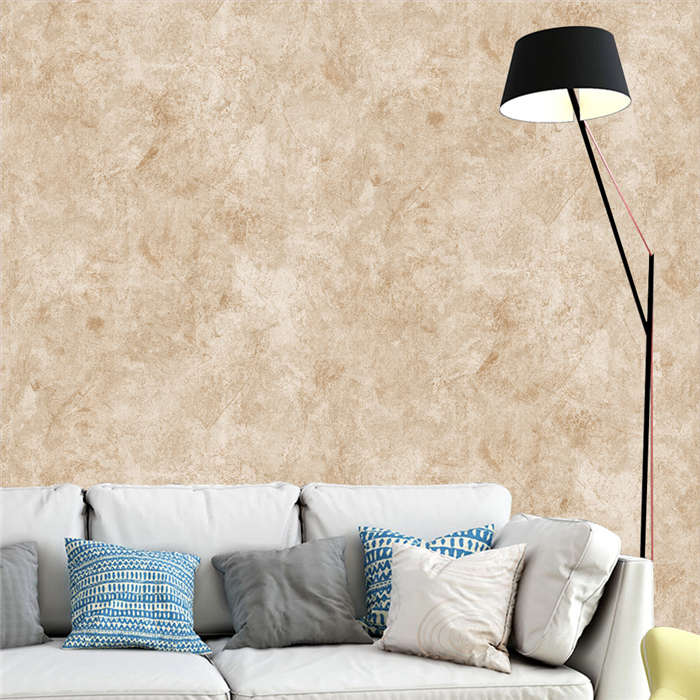
Before diving into maintenance tips, it’s essential to understand the characteristics of non-pasted wallpaper. This wallpaper typically consists of durable materials, such as vinyl or fabric, which can withstand wear and tear better than traditional paper wallpaper. Non-pasted wallpaper is resistant to moisture, making it suitable for various rooms, including kitchens and bathrooms. However, it also requires specific care to maintain its appearance and longevity.
1. Regular Cleaning and Dusting

One of the simplest yet most effective ways to maintain your non-pasted wallpaper is through regular cleaning and dusting. Dust and dirt can accumulate over time, dulling the wallpaper’s appearance. Here are some cleaning tips:
- Use a Dry Cloth: A microfiber cloth or duster can effectively remove dust without scratching the wallpaper surface.
- Vacuum with a Brush Attachment: For deeper cleaning, use a vacuum cleaner with a brush attachment to avoid damaging the wallpaper.
- Spot Clean Stains: For stains, use a mild soap solution and a soft cloth. Always test a small area first to avoid damage.
Statistics show that homes with regular cleaning routines can maintain the integrity of their decor for over 30% longer than those that do not. Regular cleaning not only keeps your wallpaper looking fresh but also contributes to a healthier living environment.
2. Control Humidity Levels

Humidity can be a significant factor in the longevity of your non-pasted wallpaper. High humidity levels can lead to mold and mildew growth, which is detrimental to wallpaper. Here are ways to control humidity:
- Use Dehumidifiers: These devices can help maintain optimal humidity levels, especially in areas prone to moisture.
- Ventilation: Ensure proper ventilation in rooms like kitchens and bathrooms. Use exhaust fans to reduce moisture buildup.
- Monitor Humidity Levels: Use a hygrometer to keep track of humidity levels. Ideally, they should remain between 30% and 50%.
A study by the Environmental Protection Agency (EPA) indicates that maintaining appropriate humidity levels can reduce the risk of health issues associated with mold and improve the longevity of home decor items.
3. Protect from Direct Sunlight

While non-pasted wallpaper is designed to be durable, prolonged exposure to direct sunlight can fade and damage its colors and patterns. To protect your wallpaper, consider the following:
- Use Window Treatments: Install curtains, blinds, or shades to reduce direct sunlight exposure.
- UV-Filtering Films: Consider applying UV-filtering window films to block harmful rays.
- Strategic Furniture Placement: Arrange furniture to shield sections of wallpaper from direct sunlight.
Research shows that UV exposure can fade wallpaper colors by 30% or more in just a few months. Protecting your wallpaper from sunlight can significantly extend its vibrancy and life.
4. Repairing Minor Damages
Even with careful maintenance, minor damages can occur. Addressing these quickly can prevent further issues. Here’s how to repair minor damages:
- Peeling Edges: For edges that are lifting, use a wallpaper adhesive to reattach them. Apply the adhesive with a small brush and press down gently.
- Small Tears: For small tears, use a clear adhesive or wallpaper repair tape. Cut the tape to size and carefully apply it to the back of the tear.
- Color Touch-Ups: If colors have faded, consider using a matching paint to touch up areas that need it. Test first to ensure a good match.
Taking prompt action on minor damages can save you time and money in the long run, preventing the need for a complete wallpaper replacement.
5. Replacing Wallpaper When Necessary
Despite the best maintenance, there comes a time when wallpaper needs to be replaced. Signs that it may be time for a change include:
- Severe Fading: If the colors are significantly faded, it may be time for new wallpaper.
- Mold or Mildew Growth: If you notice persistent mold or mildew, replacement is necessary to ensure a healthy environment.
- Peeling or Bubbling: If large sections of wallpaper are peeling or bubbling, it may indicate underlying issues that need addressing.
According to industry experts, replacing wallpaper every 5-10 years can keep your home looking fresh and modern. Regular assessments of your wallpaper will help you determine the best time for replacement.
6. Choosing the Right Adhesive
Using the correct adhesive is vital for the longevity of your non-pasted wallpaper. Here are tips for selecting and using adhesive:
- Consult Manufacturer Guidelines: Always follow the manufacturer’s recommendations for adhesive type and application.
- Test Adhesives: Before applying to the entire wall, conduct a small test to ensure compatibility.
- Use High-Quality Adhesives: Invest in high-quality adhesives that are specifically designed for wallpaper to ensure a strong bond.
Using the right adhesive can significantly reduce the chances of peeling and other issues, prolonging the life of your wallpaper.
Maintaining non-pasted wallpaper requires attention to detail and care, but the rewards include a beautiful and long-lasting aesthetic in your home. Regular cleaning, humidity control, protection from sunlight, prompt repairs, timely replacement, and proper adhesive use are all essential practices to uphold its quality. By following these tips, you can ensure that your non-pasted wallpaper remains a stunning feature in your home for years to come. Remember, a little maintenance goes a long way in preserving the beauty and integrity of your living space.
