In today’s industrial and workshop environments, dust collection is no longer a mere optional accessory; it’s a critical component for safety, health, efficiency, and regulatory compliance. From woodworking shops to heavy manufacturing plants, the accumulation of fine particles can pose significant risks, impacting air quality, damaging machinery, and creating fire or explosion hazards. While the dust collector itself is the workhorse, the ability to control and manage it effectively, especially from a distance, can dramatically elevate operational performance. This is where a sophisticated dust collector remote control system steps in. Choosing the right system can be the difference between a cumbersome, inefficient operation and a streamlined, productive one. This article delves into the top features to prioritize when selecting a dust collector remote control system, ensuring you invest in a solution that maximizes your dust control strategy.
The Evolving Landscape of Dust Collection Control

Traditionally, dust collector operation was manual, requiring operators to physically walk to the unit to start, stop, or adjust settings. This not only consumed valuable time but also exposed personnel to potentially hazardous dust-filled environments. The advent of remote control systems revolutionized this process, offering convenience and safety. Today’s advanced systems go far beyond simple on/off switches, integrating intelligent features that optimize performance, reduce energy consumption, and provide crucial operational data. The demand for such sophisticated control is driven by several factors:
- Increased Automation: Modern manufacturing processes are increasingly automated, requiring dust collection systems to integrate seamlessly with other machinery.
- Workplace Safety Regulations: Stricter regulations regarding dust exposure and combustible dust necessitate robust and reliable control systems. For example, OSHA’s combustible dust National Emphasis Program highlights the importance of managing dust hazards.
- Energy Efficiency Concerns: Rising energy costs and a global focus on sustainability are pushing industries to adopt energy-saving technologies, including smart dust collection management.
- Remote Operation Needs: In large facilities or hazardous areas, remote operation is not just a convenience but a necessity for operator safety and efficiency.
Key Features for an Effective Dust Collector Remote Control System
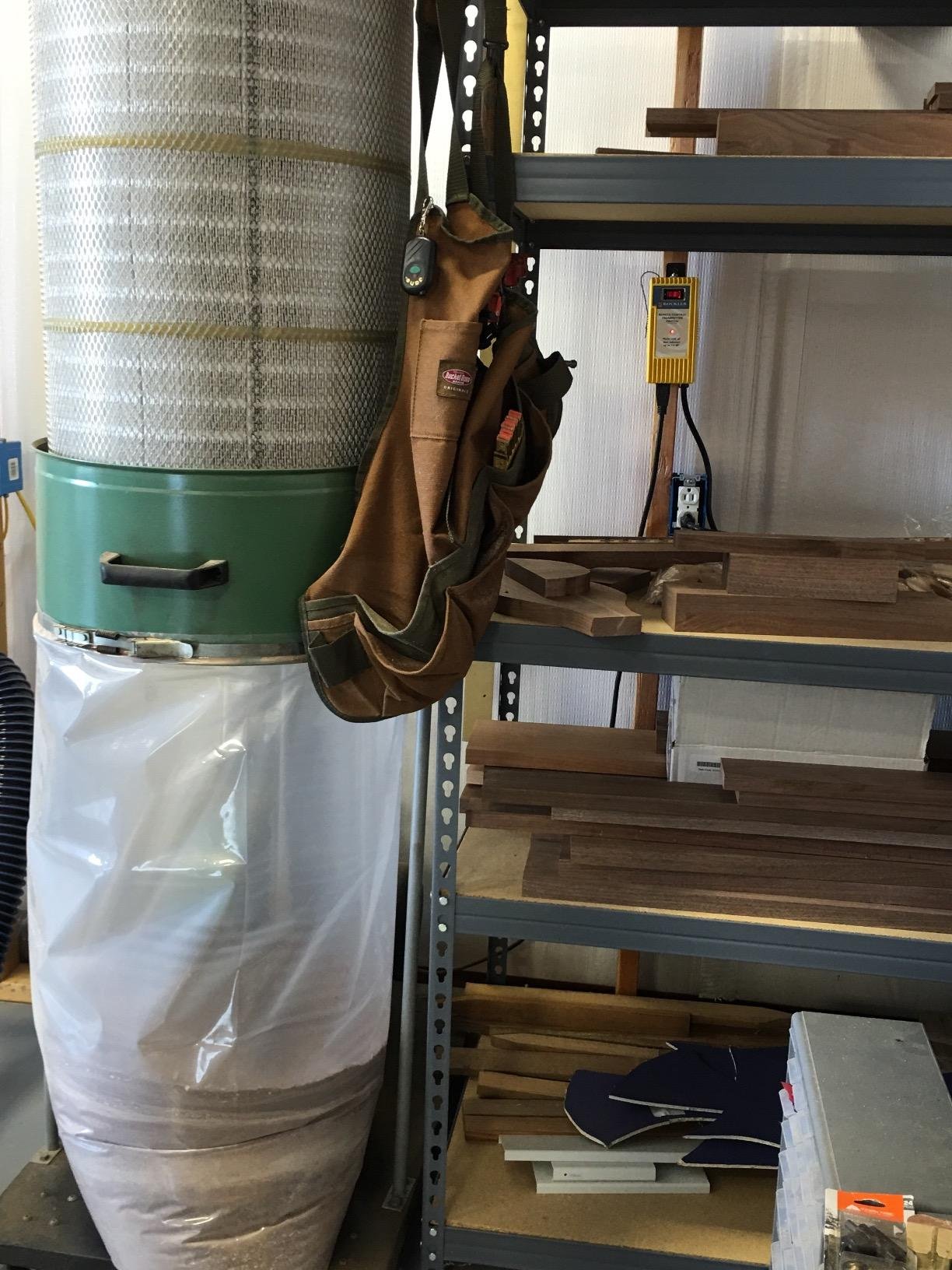
When evaluating dust collector remote control systems, a comprehensive understanding of available features is paramount. Not all systems are created equal, and prioritizing the right functionalities will ensure you achieve the desired outcomes. Here are the top features to look for:
1. Intuitive User Interface and Ease of Operation
The most advanced system is useless if operators cannot figure out how to use it. A clear, intuitive interface is fundamental. This includes:
- Simple Controls: Obvious buttons and clear labeling for basic functions like start, stop, and mode selection.
- Digital Display: A clear, easy-to-read screen displaying critical information such as operating status, fan speed, filter pressure, and potential error codes.
- User-Friendly Navigation: Menus and sub-menus that are logically organized and easy to navigate, minimizing the learning curve for new operators.
- Customizable Presets: The ability to save frequently used settings for different operations or materials, allowing for quick and consistent adjustments.
Case Study Example: A small custom furniture workshop implemented a new dust collector with a touchscreen remote. Previously, they had a simple manual switch. The new system’s intuitive interface allowed their team of three to quickly learn and utilize features like timed shutdowns and variable speed controls, leading to a noticeable reduction in dust during operation and a more efficient workflow.
2. Advanced Control Modes and Customization
Beyond basic on/off, the ability to fine-tune the dust collector’s operation is crucial for optimal performance and energy savings. Look for systems offering:
- Variable Speed Control: The ability to adjust fan speed based on the specific application. For instance, lighter dust loads might require lower speeds, saving energy, while heavier loads demand maximum airflow. This can lead to significant energy savings, with some studies showing up to 30% reduction in energy consumption through variable speed drives.
- Timed Operation: Setting the system to run for specific durations, including timed shutdowns to allow residual dust to settle before filter cleaning or to ensure the system runs only when needed.
- Automatic Filter Cleaning: Integration with the dust collector’s filter cleaning mechanism, allowing for scheduled or demand-driven cleaning cycles. This ensures optimal airflow and extends filter life.
- Pressure Monitoring and Adjustment: Systems that monitor duct pressure and automatically adjust fan speed to maintain optimal negative pressure, ensuring effective dust capture at all collection points.
Statistical Insight: Research from the U.S. Department of Energy suggests that implementing variable speed drives (VSDs) on industrial fans can reduce energy consumption by 20-50% compared to fixed-speed applications.
3. Robust Connectivity and Range

The effectiveness of a remote control hinges on its ability to communicate reliably with the dust collector. Consider:
- Wireless Technology: Evaluate the type of wireless technology used. Radio frequency (RF) is common and offers good penetration through walls and obstacles. Wi-Fi offers greater bandwidth and potential for integration with broader network systems but might be susceptible to signal interference.
- Range: Ensure the specified range meets the needs of your facility. For large factories, a longer range is essential.
- Signal Strength and Reliability: Look for systems with indicators for signal strength and a track record of reliable communication in industrial environments.
- Multiple Control Units: The ability to have multiple remote control units accessing a single dust collector, allowing for greater flexibility in different work areas.
Example Scenario: In a large lumber mill, operators working at the far end of the processing line need to be able to start and stop the dust collector without returning to the main control panel. A system with a robust RF signal and a range of over 100 meters would be essential for their daily operations.
4. Safety Features and Interlocks

Safety should always be the top priority. A good remote control system should enhance, not compromise, safety. Key features include:
- Emergency Stop Functionality: A clearly marked and easily accessible emergency stop button on the remote that immediately shuts down the dust collector.
- Lockout/Tagout Capability: The ability to electronically “lock out” the system to prevent accidental startup during maintenance or repair.
- Interlocks with Other Machinery: Integration with other production machinery to ensure the dust collector operates only when those machines are active, or to shut down the dust collector if a critical machine malfunctions.
- Overload Protection: The system should monitor motor load and shut down the dust collector if it detects an overload condition, preventing damage and potential fire hazards.
- Explosion-Proof Options: For environments with combustible dust, selecting a remote control system with explosion-proof certifications (e.g., ATEX or NEC Class/Division ratings) is critical.
Importance of Interlocks: In a metal fabrication shop, an interlock between the welding machines and the dust collector ensures that the ventilation system activates precisely when welding begins, capturing harmful fumes at the source and preventing their spread. This is a critical safety measure to comply with air quality standards.
5. Data Logging and Reporting
Modern remote control systems can be powerful tools for performance monitoring and optimization. Features to consider include:
- Operational Data Logging: Recording parameters such as run time, energy consumption, fan speeds, and filter status over time.
- Performance Trend Analysis: The ability to view historical data to identify trends, anticipate maintenance needs, and optimize operational parameters.
- Error Code Reporting: Detailed logging and clear reporting of any error codes, aiding in faster diagnostics and troubleshooting.
- Integration with SCADA or Building Management Systems: For larger facilities, the ability to integrate dust collector data into a broader Supervisory Control and Data Acquisition (SCADA) or Building Management System (BMS) for centralized monitoring and control.
- Customizable Reports: The ability to generate reports on specific metrics for regulatory compliance or internal performance reviews.
Case Study Insight: A large plastics manufacturing plant utilized their dust collector’s remote control system’s data logging feature to track energy consumption. By analyzing the data and adjusting fan speeds based on production cycles, they achieved a 15% reduction in their energy bill related to dust collection within a year.
6. Durability and Environmental Resistance
Dust collectors operate in challenging environments. The remote control system, whether handheld or wall-mounted, must be built to withstand these conditions.
- Rugged Construction: Look for units with robust casings, often made of durable plastics or metals, capable of withstanding impacts and vibrations.
- IP Rating: An Ingress Protection (IP) rating indicates the level of protection against dust and water. For dusty environments, an IP rating of IP54 or higher is recommended.
- Temperature and Humidity Tolerance: Ensure the system can operate reliably within the expected temperature and humidity ranges of your facility.
- Chemical Resistance: If your processes involve specific chemicals that could be present in the air, inquire about the materials’ resistance to those substances.
7. Scalability and Future-Proofing

Your dust collection needs may evolve. A good remote control system should offer flexibility for future expansion or upgrades.
- Modular Design: Systems with modular components that can be easily upgraded or replaced.
- Compatibility with Future Models: Consider if the system can be integrated with newer or larger dust collector units from the same manufacturer.
- Software Updates: The availability of software updates to introduce new features or improve performance over time.
- Integration Capabilities: The potential to integrate with other new technologies as they emerge in dust collection and factory automation.
Investing in Smarter Dust Management

The selection of a dust collector remote control system is a strategic decision that directly impacts operational efficiency, worker safety, and overall cost-effectiveness. By carefully evaluating and prioritizing the features discussed – from intuitive user interfaces and advanced control modes to robust connectivity, comprehensive safety features, insightful data logging, and environmental durability – you can invest in a system that not only manages dust effectively but also contributes significantly to a more streamlined, productive, and safer working environment. Remember that the “best” system is one that precisely matches your specific operational needs and constraints. A well-chosen remote control system transforms dust collection from a passive necessity into an active, intelligent component of your industrial process.
