The piano, a magnificent instrument capable of evoking a spectrum of emotions, is more than just its keys and strings. Its sound is intricately connected to the player’s posture, comfort, and connection to the instrument. And at the heart of this connection lies a seemingly simple, yet profoundly important piece of furniture: the piano bench. Often overlooked in the quest for the perfect piano, the bench is, in fact, the player’s first and most consistent point of contact. Choosing the *right* piano bench isn’t just about aesthetics; it’s about optimizing your playing experience, promoting proper technique, and ensuring long-term comfort and health.
Why the Piano Bench Matters: Beyond Just a Seat

It might seem intuitive, but the significance of a well-chosen piano bench goes far beyond providing a place to sit. A subpar bench can actively hinder your progress and even lead to physical discomfort. Conversely, the right bench can elevate your playing by:
- Promoting Correct Posture: A bench of the correct height and depth allows your arms to hang naturally from your shoulders, enabling fluid movement across the keyboard and preventing strain.
- Enhancing Comfort for Extended Practice: Long practice sessions are a cornerstone of piano mastery. An uncomfortable bench can lead to fatigue, distraction, and a shortened practice duration.
- Supporting Proper Technique: When your body is correctly aligned, your fingers have greater freedom of movement, and you can execute more nuanced dynamics and articulations.
- Contributing to a Harmonious Aesthetic: While functionality is paramount, a bench that complements your piano and your room adds to the overall enjoyment of your musical space.
Consider the anecdote of a budding concert pianist who, struggling with inconsistent finger dexterity, discovered that simply switching from a wobbly, too-low stool to a sturdy, adjustable bench dramatically improved their control and stamina. This isn’t an isolated incident; many musicians attribute significant breakthroughs to optimizing their playing environment, with the bench being a critical component.
Understanding the Key Elements of a Piano Bench
When embarking on your bench-buying journey, several key features deserve your attention. These elements work in concert to create the ideal seating solution for your needs.
Height: The Foundation of Good Posture
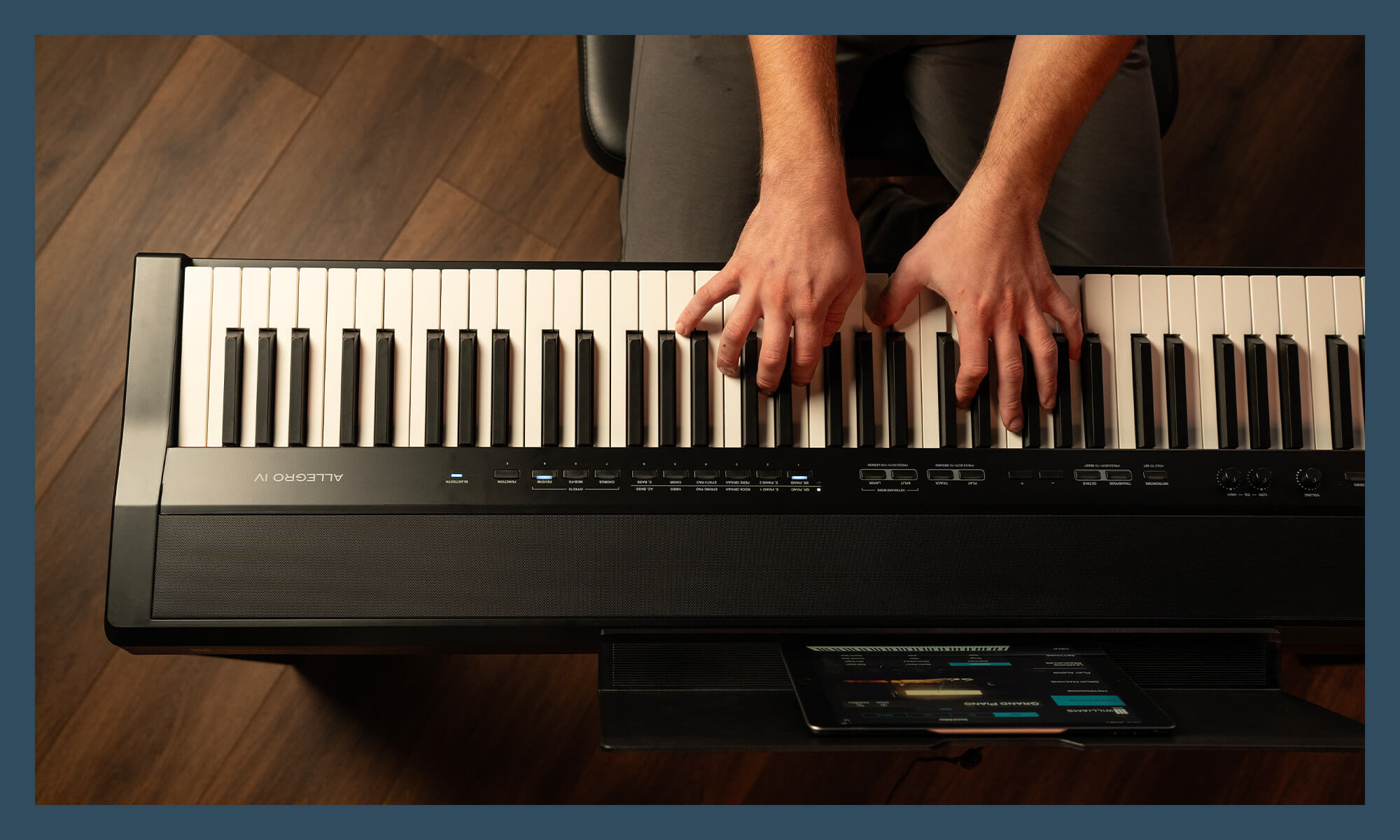
Height is arguably the most critical factor. The ideal bench height allows your forearms to be parallel to the floor when your fingers are resting on the keys. This ensures that your shoulders are relaxed and your wrists are in a neutral position, preventing tension and promoting efficiency.
The Rule of Thumb:
- When sitting, your elbows should be slightly above the level of the piano keys.
- Your thighs should be roughly parallel to the floor.
- Your feet should be able to rest flat on the floor, or on a footrest if necessary.
A common mistake is to use a chair or stool that is too low, forcing the player to hunch over the keyboard. This posture can lead to back pain, shoulder strain, and a limited range of motion in the fingers. The advent of adjustable benches has revolutionized this aspect, offering flexibility for different players and pianos.
Adjustability: The Ultimate Versatility
For many, an adjustable piano bench is the gold standard. This feature allows you to fine-tune the height to achieve that perfect ergonomic sweet spot. Adjustable benches are particularly beneficial in the following scenarios:
- Multi-player Households: If multiple family members of different heights play the piano, an adjustable bench ensures everyone can find their ideal playing position.
- Growing Pianists: For children learning to play, an adjustable bench can accommodate their growth, eliminating the need for frequent replacements.
- Shared Instruments: In educational settings or shared studios, adjustability is essential for accommodating diverse users.
Adjustable benches typically come in two main types: scissor-lift mechanisms and screw-driven mechanisms. Scissor-lift models offer quick and easy height adjustments, while screw-driven mechanisms provide more precise control. The choice between them often comes down to personal preference and budget.
Width and Depth: Room to Roam (Comfortably)
While less critical than height, the width and depth of a bench also play a role in comfort. A bench that is too narrow can feel restrictive, while one that is too deep might force you to sit too far forward, compromising your posture.
- Standard widths generally range from 20 to 30 inches, accommodating most players comfortably.
- Depth should allow you to sit with your back comfortably against the bench’s edge, while still allowing your arms sufficient freedom to reach the keyboard.
For individuals who prefer to shift their weight or have a larger frame, a wider bench might offer additional comfort. Similarly, if you find yourself constantly readjusting your position on a shallow bench, a deeper option could be beneficial.
Upholstery and Padding: Comfort Meets Durability
The material and padding of your bench’s seat directly impact your comfort during extended playing sessions. Common options include:
- Vinyl: Durable, easy to clean, and generally more affordable. Can sometimes feel less breathable.
- Faux Leather: Mimics the look and feel of genuine leather, offering a good balance of comfort and durability.
- Fabric (e.g., Velvet, Brocade): Offers a more luxurious feel and can be more breathable than vinyl. However, it may be more susceptible to wear and tear and can be harder to clean.
- Genuine Leather: The premium option, offering superior comfort, durability, and a classic aesthetic. It is, however, the most expensive.
The type and density of the padding are also important. A bench that is too soft can lack support, while one that is too firm can become uncomfortable over time. Many manufacturers offer benches with high-density foam for optimal comfort and longevity.
Construction and Stability: A Solid Foundation
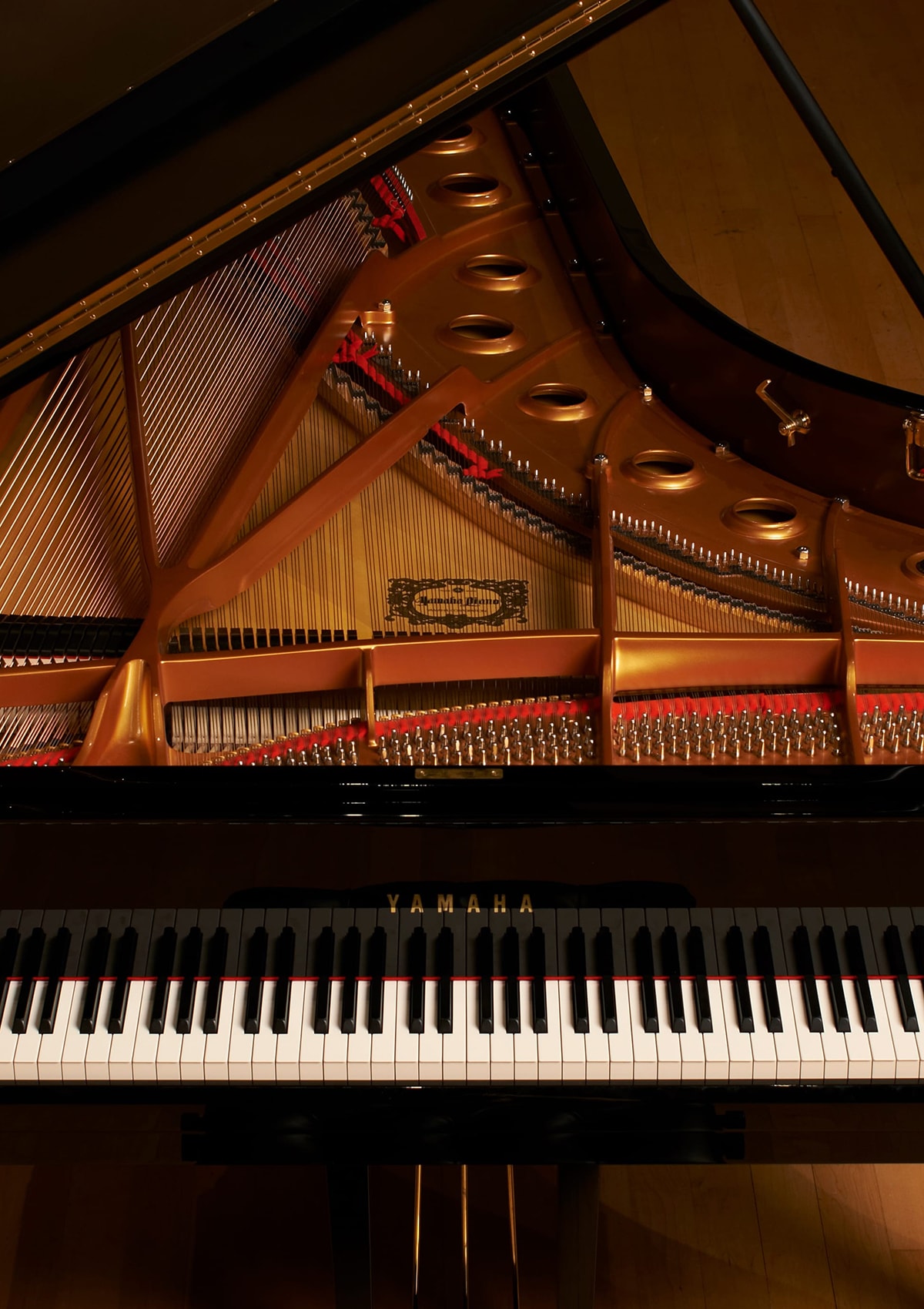
A wobbly or unstable bench is not only annoying but also a potential safety hazard. The materials used in the bench’s frame and legs are crucial for its durability and stability.
- Solid Wood: Provides excellent stability and a classic aesthetic. Hardwoods like oak, maple, and mahogany are particularly durable.
- Metal: Often used in adjustable benches, metal frames (e.g., steel) can offer robust support and a modern look.
When inspecting a bench, gently rock it to gauge its stability. The legs should be firmly attached, and the overall construction should feel solid and well-built. A bench with rubber or felt pads on the bottom of its legs will also protect your flooring.
Types of Piano Benches: Finding Your Fit
Beyond the general features, piano benches come in various styles, each catering to different needs and preferences.
Adjustable Benches
As discussed, these offer the most flexibility. They are ideal for those who prioritize ergonomic comfort and require the ability to fine-tune their seating position. Adjustable benches are a worthwhile investment for serious students, teachers, and anyone who spends significant time at the piano.
Fixed-Height Benches (Duet/Solo)
These benches are designed for a specific, pre-determined height. They are often more aesthetically pleasing and can be more budget-friendly.
- Solo Benches: Designed for a single player.
- Duet Benches: Wider benches designed to accommodate two players side-by-side, perfect for duets or for a teacher to sit with a student.
When considering a fixed-height bench, it’s imperative to ensure its height precisely matches your ergonomic needs relative to your piano. This often involves measuring your current comfortable playing position and ensuring the bench’s specifications align.
Artist Benches
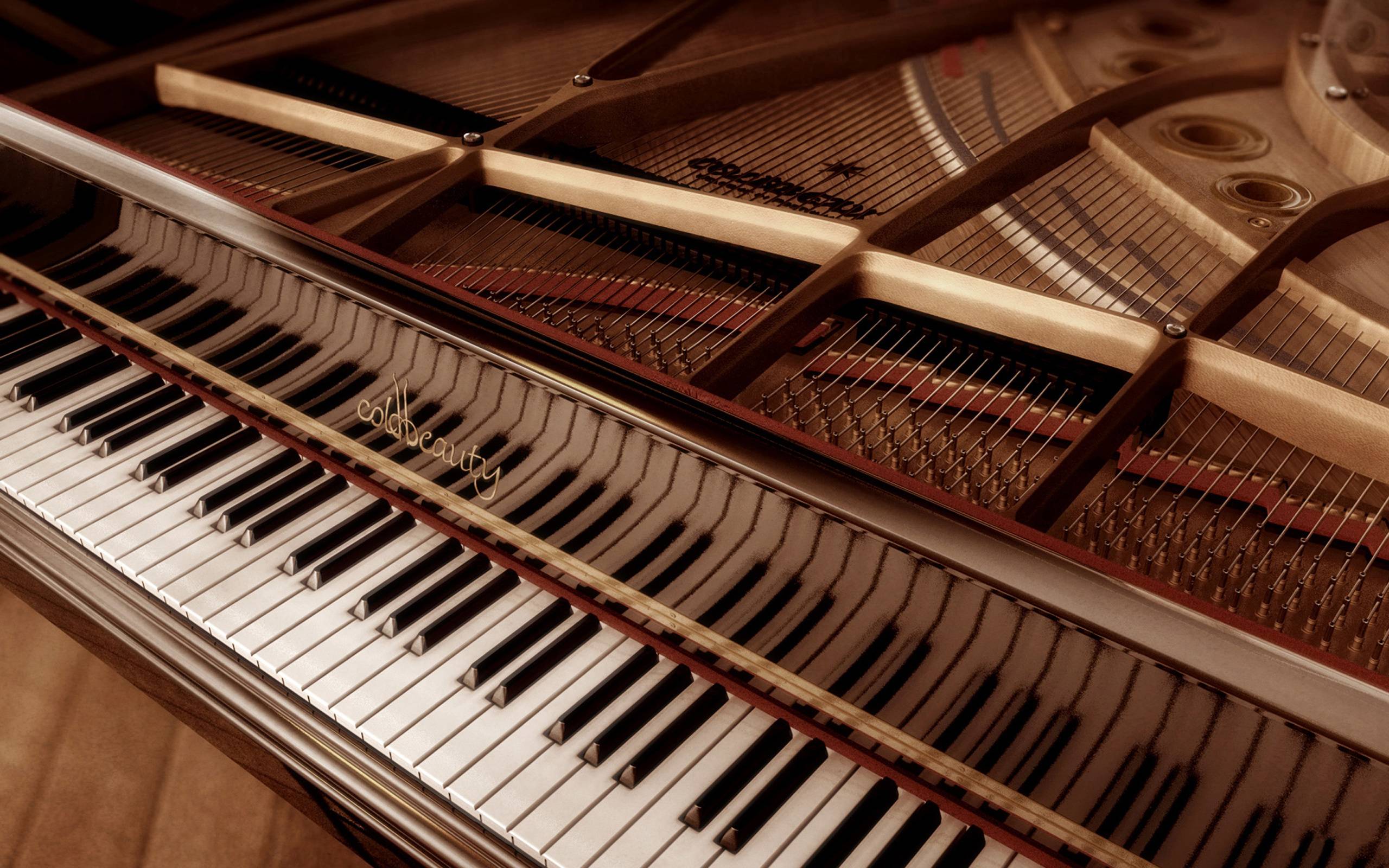
These are typically larger, more substantial benches, often featuring a more ornate design. They are usually fixed-height and offer a luxurious feel. Artist benches are often chosen for their aesthetic appeal to complement grand pianos.
Storage Benches
A practical option for those looking to maximize space, storage benches feature a lift-up seat that reveals a compartment for sheet music, metronomes, or other accessories. This can be a great solution for smaller rooms or for keeping your music organized.
Case Study: The Student’s Dilemma
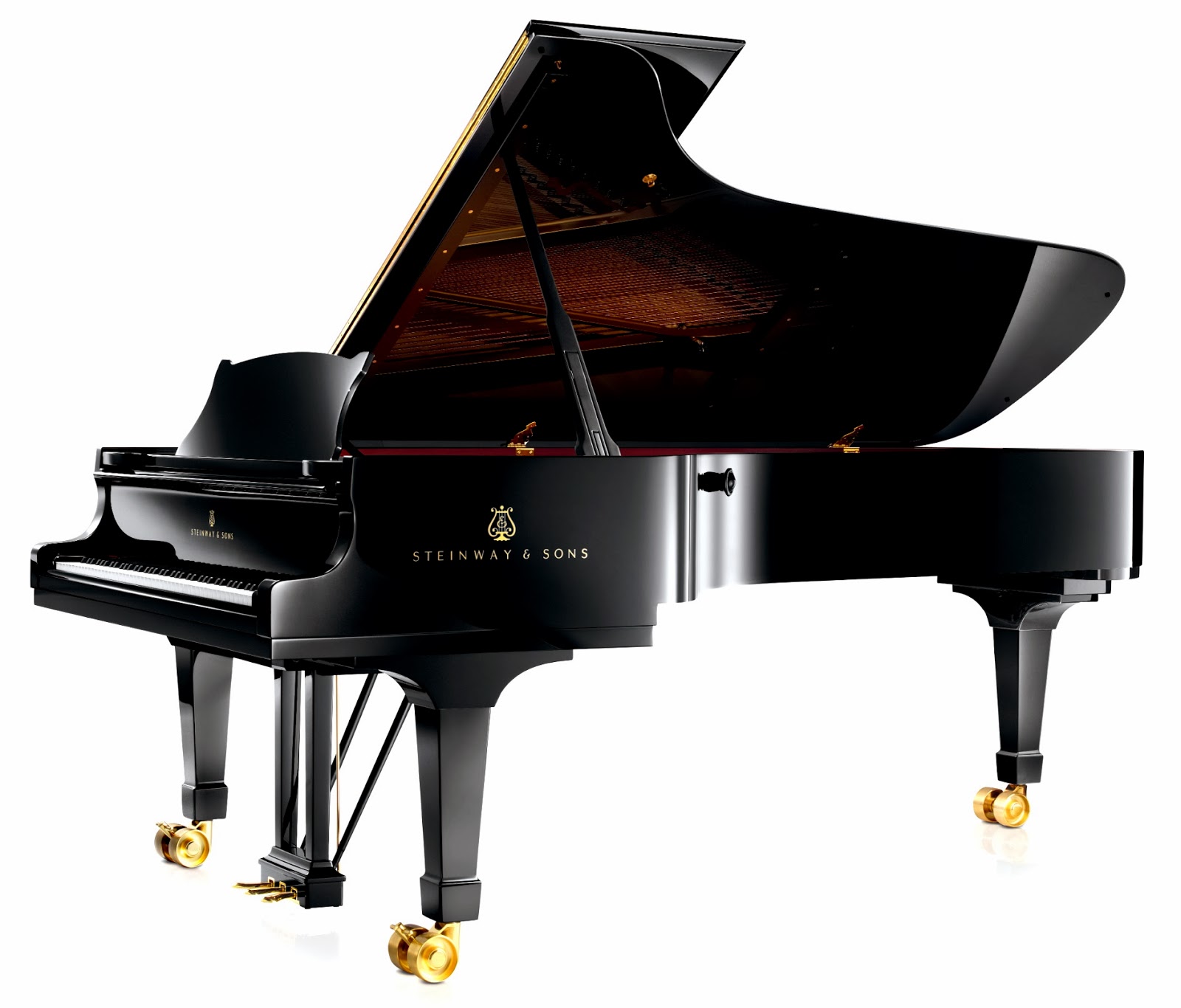
Consider Sarah, a dedicated high school student practicing for college auditions. She had a good upright piano but was using a generic dining chair. Her teacher noticed her developing shoulder tension and inconsistent dynamics. After a consultation, the teacher recommended an adjustable piano bench. Sarah invested in a well-made adjustable bench and within weeks, she reported a significant reduction in fatigue, improved finger fluidity, and a greater ability to sustain longer practice sessions. The $200 investment saved her from potential injury and directly contributed to her improved performance.
Statistics and Trends
While specific statistics on piano bench sales are difficult to pinpoint due to the fragmented nature of the market, industry observations indicate a growing demand for adjustable and ergonomic solutions. Online retailers specializing in musical accessories report a significant uptick in sales of adjustable benches, suggesting a rising awareness among musicians about the importance of proper seating. Furthermore, the emphasis on physical well-being in all aspects of life, including music practice, is driving consumers towards products that promote good posture and prevent strain.
Tips for Choosing Your Perfect Pair
Armed with knowledge, you’re ready to make an informed decision. Here are some practical tips:
- Measure Your Piano and Your Reach: Before you even start looking, sit at your piano and measure the ideal bench height for you.
- Consider Your Piano Type: A grand piano might pair aesthetically with a more ornate artist bench, while an upright might be best suited for a classic adjustable bench.
- Try Before You Buy (If Possible): If you have the opportunity to visit a piano showroom, sit on different benches and experience them firsthand.
- Read Reviews: Online reviews can provide valuable insights into the comfort, durability, and overall satisfaction of other users.
- Don’t Skimp on Quality: A good piano bench is an investment in your musical journey. Prioritize quality and ergonomics over the cheapest option.
- Think About Longevity: Will this bench serve you well for years to come, or will you outgrow it quickly?
The Unsung Hero of Your Musical Space
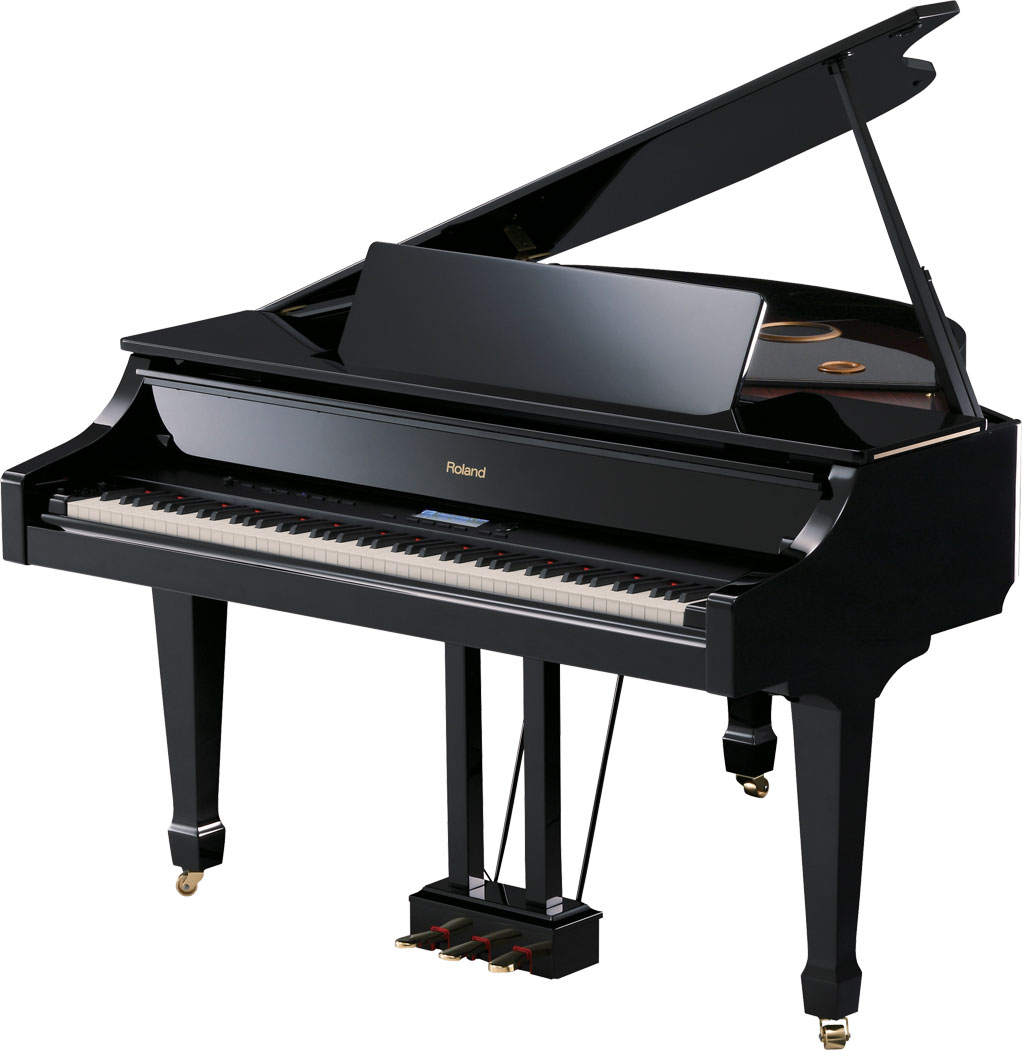
The piano bench, often an afterthought, is in reality an indispensable partner to your instrument. By carefully considering its height, adjustability, comfort, and construction, you are investing not only in a piece of furniture but in your own playing ability, physical well-being, and overall enjoyment of making music. The perfect pair – your piano and its ideal bench – creates a harmonious environment where your musical aspirations can truly flourish.
