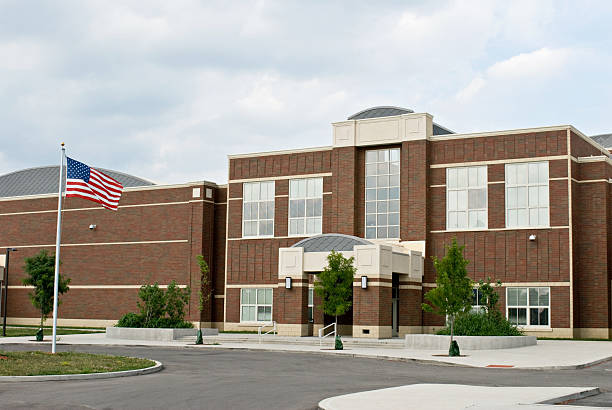
In the bustling corridors of Northwood Elementary, a quiet revolution was brewing, not in a chemistry lab or a history lecture, but within the steamy confines of the school cafeteria. At its heart was Maria Rodriguez, a woman whose apron was as much a symbol of her dedication as a shield against flying peas. Her journey, from a part-time lunch server to an indispensable pillar of the Northwood community, is a testament to the profound impact one individual can have when driven by compassion, innovation, and an unwavering belief in the power of a well-nourished child.
A Humble Beginning: More Than Just Serving Meals
Maria began her tenure at Northwood Elementary over fifteen years ago, a single mother seeking stable employment and a way to contribute to her children’s school environment. The cafeteria, a place often overlooked, became her domain. Initially, her role was straightforward: prepare, serve, and clean. Yet, Maria possessed an innate ability to see beyond the trays and the ticking clock. She observed the children, noticing not just their food preferences, but also their moods, their energy levels, and the subtle indicators of their well-being.
She noticed, for instance, the distinct difference in a child’s engagement in class based on what they ate. Children who arrived with hurried, unhealthy breakfasts often seemed lethargic, their eyes glazed over during morning lessons. Conversely, those who ate hearty, nutritious meals displayed a discernible spark, their hands shooting up to answer questions with enthusiasm. This observation, seemingly minor, planted a seed that would grow into something significant.
Identifying the Gaps: The Silent Struggle of Food Insecurity

As Maria interacted with students and parents, she began to understand the deeper complexities surrounding food. She witnessed firsthand the quiet struggles of families grappling with food insecurity. Children sometimes came to school with empty lunchboxes, relying solely on the limited fare provided by the school. The school lunch program, while essential, often had limitations, and for many, it was the only substantial meal of their day.
She recalled a specific instance: a young boy named Leo, always quiet and withdrawn, who would meticulously ration his modest lunch, often leaving half for later, only to find himself too hungry to concentrate by mid-afternoon. Maria, with her keen eye, understood that Leo’s hunger wasn’t just physical; it was a barrier to his learning and his confidence. This, and countless other similar observations, fueled a growing desire in Maria to do more.
The Numbers Don’t Lie: Statistics on Childhood Hunger

Maria’s personal observations were sadly echoed by national statistics. According to the U.S. Department of Agriculture (USDA), in 2022, approximately 12.5% of households, or 16.5 million households, experienced food insecurity. Within these households, children are often the most vulnerable. Studies have consistently shown a correlation between food insecurity and:
- Lower academic achievement
- Increased behavioral problems
- Higher rates of chronic health conditions
- Delayed cognitive development
These statistics served as a stark reminder to Maria that the issue extended far beyond Northwood Elementary’s walls, but also that the impact within her immediate environment was just as critical.
A Culinary Revolution: Beyond the Standard Menu

Driven by her observations and the stark reality of food insecurity, Maria began to subtly – and then not so subtly – advocate for change within the cafeteria. She started by experimenting with recipes, infusing traditional school lunch favorites with healthier ingredients. She’d sneak in extra vegetables, use whole grains, and reduce the reliance on processed items, all while ensuring the dishes remained appealing to young palates.
Her initiative wasn’t met with immediate universal acclaim. Some colleagues were resistant to deviating from established routines, and the budget constraints were a constant challenge. However, Maria’s persistence, coupled with the noticeable improvement in the children’s enthusiasm for meals, began to win people over. She learned to stretch ingredients creatively, sourced local produce when possible, and even started a small herb garden behind the cafeteria, teaching students about where their food came from.
Case Study: The “Farm-to-School” Initiative
One of Maria’s most impactful innovations was the “Farm-to-School” initiative. Recognizing the nutritional benefits and educational opportunities, she partnered with a local farmer to supply fresh, seasonal produce directly to the school. This not only enhanced the quality and variety of the school meals but also provided invaluable hands-on learning experiences for the students. Children participated in planting, harvesting, and preparing the produce, fostering a deeper connection to their food and an understanding of healthy eating habits. This initiative, initially a pilot program, saw a significant increase in vegetable consumption among students, with anecdotal evidence suggesting improved energy levels and classroom focus.
The Community Weaver: Building Bridges Beyond the Cafeteria
Maria’s impact soon extended beyond the kitchen. She recognized that a healthy meal was only one piece of the puzzle. She began to engage with parents, offering workshops on healthy cooking on a budget, providing resources for local food banks, and creating a welcoming environment where parents felt comfortable discussing their concerns.
She established a “Weekend Backpack” program, discreetly filling backpacks with non-perishable food items for students who relied on school meals as their primary source of nutrition. This was a labor of love, often funded by her own meager savings and small donations from a growing circle of supporters. She knew that the hunger didn’t stop when the school bell rang on Friday afternoon.
Building a Network of Support

Maria’s dedication inspired others. Teachers began incorporating lessons about nutrition and healthy eating, linking classroom learning to the cafeteria’s efforts. Parents, witnessing the positive changes in their children and the support Maria offered, rallied around her. Local businesses, touched by her unwavering commitment, started donating supplies and funds to support her initiatives. A network began to form, a testament to Maria’s ability to weave together disparate threads of the community into a strong, supportive fabric.
Recognition and Legacy: A Champion for Change

Maria’s tireless efforts did not go unnoticed. She was nominated for several local awards recognizing her community service. While she often brushed off the accolades, preferring to let the children’s well-being speak for itself, her story began to gain wider recognition. Local news outlets featured her work, highlighting the profound difference a dedicated individual could make in addressing complex societal issues like childhood hunger and nutrition.
Her legacy at Northwood Elementary is not just in the improved quality of the school meals or the success of her programs. It lies in the countless children who now understand the importance of healthy eating, the parents who feel more empowered to provide nutritious meals for their families, and the entire school community that has embraced a culture of care and support. Maria demonstrated that the role of a school lunch server could transcend its defined duties, evolving into a powerful force for positive change.
The Enduring Power of a Nurturing Heart
Maria Rodriguez’s journey is a compelling narrative of how passion, empathy, and a commitment to action can transform a seemingly ordinary role into an extraordinary opportunity for impact. She proved that by observing, listening, and taking initiative, one person can address critical societal needs like food insecurity and improve the lives of an entire community. Her story serves as an inspiring reminder that heroes are not always clad in capes; sometimes, they wear aprons and carry trays, armed with nothing more than a nurturing heart and an unwavering desire to make a difference. The ripple effect of her dedication continues to nourish not just bodies, but also minds and spirits at Northwood Elementary and beyond, a powerful testament to the enduring impact of a true school lunch hero.
