Beneath the veneer of our everyday lives lies a vast, intricate network of buried utilities – gas lines, water mains, power cables, and telecommunication conduits. These invisible arteries are the lifeblood of modern society, yet their very obscurity poses a significant risk. Accidental strikes during excavation are a persistent threat, leading to costly repairs, service disruptions, and, tragically, potential injuries or fatalities. For decades, the fundamental principles of utility line locating have remained relatively static. However, a confluence of technological advancements is poised to revolutionize this critical field, ushering in an era of unprecedented accuracy, efficiency, and safety.
The Evolving Landscape of Utility Line Locating

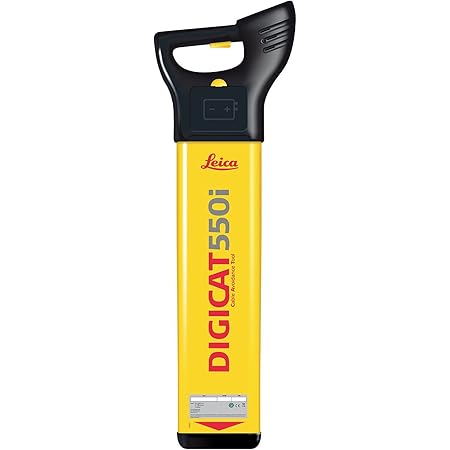
The traditional methods of utility line locating, primarily relying on electromagnetic locators (EMLs) and passive detection, have served us well. EMLs generate a radio frequency signal that is induced onto metallic conductive lines. Locators then detect this signal, allowing operators to trace the path of the buried utility. While effective, these methods have inherent limitations:
- Dependence on conductivity: EMLs struggle with non-metallic lines, such as plastic water pipes or fiber optic cables, often requiring the installation of tracer wires or balls.
- Signal interference: Stray signals from other buried infrastructure or electrical sources can lead to inaccurate readings and “ghosting.”
- Depth limitations: The effectiveness of EMLs can be significantly reduced at greater depths.
- Operator skill: Accurate locating often relies heavily on the experience and judgment of the operator, leading to variability.
These limitations have driven the search for more robust and comprehensive solutions. The future of utility line locating lies in embracing a multi-faceted approach, integrating cutting-edge technologies to overcome these challenges and create a more precise, intelligent, and proactive system.
Key Technology Trends Shaping the Future

Several transformative technology trends are converging to redefine utility line locating. These innovations are moving beyond simply detecting a signal to understanding and visualizing the buried world with remarkable detail.
1. Advanced Sensing Technologies: Beyond the Electromagnetic Spectrum

The limitations of electromagnetic induction are being addressed by the development and deployment of a new generation of sensors that can “see” through the ground using different physical principles. These include:
- Ground Penetrating Radar (GPR): GPR systems emit electromagnetic pulses into the ground and analyze the reflected signals. Different subsurface materials and buried objects reflect these pulses in distinct ways, allowing for the detection of both metallic and non-metallic utilities. Recent advancements have focused on improving resolution, depth penetration, and the ability to distinguish between different types of buried infrastructure. For example, companies like GSSI (Geophysical Survey Systems, Inc.) are developing GPR systems with enhanced processing capabilities that can provide more detailed subsurface imaging.
- LiDAR (Light Detection and Ranging): While primarily used for aerial mapping and surface topography, LiDAR is increasingly being integrated into utility locating workflows. By combining LiDAR data with subsurface surveys, it’s possible to create highly accurate 3D models of the ground surface and then overlay utility data, providing context and improving spatial accuracy. Drone-mounted LiDAR systems are becoming more prevalent for rapid data acquisition over large areas.
- Multi-Sensor Integration: The true power lies in combining multiple sensing technologies. A typical advanced locating system might employ EMLs, GPR, and acoustic sensors simultaneously. By cross-referencing data from these diverse sources, locating professionals can achieve a far higher degree of confidence in their findings. A study by the Edison Electric Institute (EEI) highlighted how integrated sensor systems can reduce locate errors by up to 30% compared to single-technology approaches.
2. Artificial Intelligence and Machine Learning: Intelligent Interpretation
The sheer volume of data generated by advanced sensors requires sophisticated analysis. This is where Artificial Intelligence (AI) and Machine Learning (ML) are becoming indispensable.
- Automated Data Processing: AI algorithms can be trained to automatically identify and classify different types of buried utilities from GPR and EML data, significantly reducing manual interpretation time and the potential for human error.
- Predictive Analytics: ML models can analyze historical locate data, soil conditions, and construction patterns to predict areas with a higher probability of undocumented or incorrectly marked utilities. This allows for more targeted and efficient pre-excavation surveys.
- Smart Locators: Future locators will incorporate AI-powered assistants that can guide operators, suggest optimal survey paths, and flag potential anomalies in real-time. This democratizes the expertise traditionally held by seasoned locators.
Companies like Precise Construction have implemented AI-powered software for processing GPR data, leading to faster and more accurate identification of subsurface features, including utilities.
3. Digitalization and the Internet of Things (IoT): A Connected Ecosystem

The future of utility line locating is intrinsically linked to the broader trend of digitalization and the proliferation of connected devices.
- Cloud-Based Data Management: All locate data, from historical records to real-time survey results, will be stored and accessed in secure cloud platforms. This facilitates seamless collaboration between excavators, utility owners, and locating services.
- Real-Time Data Sharing: IoT sensors embedded in utility infrastructure (e.g., smart meters, pressure sensors) can provide real-time information about their location and operational status, which can be integrated with locating data.
- Digital Twins: The concept of “digital twins” – virtual replicas of physical assets – is gaining traction. A digital twin of the buried utility network, informed by continuous locate data and sensor input, will offer an unparalleled understanding of the subsurface environment.
- Mobile Applications: Intuitive mobile apps will allow excavators to access precise utility maps and locate information directly on their job sites, reducing the need for paper plans and improving on-site awareness.
Utilities are increasingly investing in GIS (Geographic Information System) platforms and integrating them with their operational data, laying the groundwork for these digital twin initiatives.
4. Drones and Robotics: Expanding Reach and Efficiency

The deployment of drones and robotic systems is transforming the practical execution of utility locating.
- Drone-Based GPR and LiDAR: Drones equipped with GPR and LiDAR sensors can quickly survey large or difficult-to-access areas, providing comprehensive subsurface data without the need for extensive ground crews. This is particularly useful for surveying pipelines in remote locations or complex urban environments.
- Robotic Locating Systems: For hazardous or confined spaces, robotic locators can be deployed to navigate and survey areas that are unsafe for human operators, such as sewers or industrial pipelines.
- Automated Data Collection: Drones can automate the process of collecting aerial imagery and surface data, which can then be used to georeference subsurface utility locate information with greater precision.
Several utility companies are piloting drone programs for aerial inspections and data acquisition, demonstrating the feasibility and benefits of this technology.
Case Studies and Real-World Impact
The adoption of these emerging technologies is not merely theoretical; it’s already demonstrating tangible benefits:
- Smart City Initiatives: Cities like Singapore are leveraging advanced GPR and LiDAR, integrated with their GIS, to create highly detailed 3D maps of their underground infrastructure. This proactive approach helps prevent damage during infrastructure upgrades and new construction.
- Oil and Gas Pipeline Integrity: Companies in the oil and gas sector are using drone-mounted GPR and magnetic anomaly detection (MAD) systems to inspect pipelines for potential leaks or damage without disrupting operations. This improves safety and reduces environmental risk.
- Telecommunications Network Expansion: As fiber optic networks expand, the ability to locate non-metallic cables accurately is paramount. Advanced GPR systems, often coupled with acoustic sensors, are proving crucial for identifying existing infrastructure before new lines are laid.
The U.S. Department of Transportation, through initiatives like the Common Ground Alliance (CGA), actively promotes the adoption of best practices and technologies that enhance underground utility safety. Statistics from the CGA consistently show that while progress has been made, accidental utility strikes remain a significant problem, underscoring the urgency for technological advancement.
Challenges and Opportunities Ahead
While the future of utility line locating is bright, several challenges need to be addressed:
- Data Standardization and Interoperability: Ensuring that data from various sources and systems can be seamlessly shared and interpreted requires industry-wide standardization of data formats and protocols.
- Cost of Adoption: Advanced technologies can come with a significant upfront investment. Demonstrating a clear return on investment (ROI) through reduced damages, improved efficiency, and enhanced safety is crucial for widespread adoption.
- Workforce Training and Skill Development: The new technologies require a skilled workforce capable of operating advanced equipment and interpreting complex data. Robust training programs will be essential.
- Regulatory Frameworks: As technology evolves, regulatory frameworks will need to adapt to incorporate these new capabilities and ensure their effective and safe deployment.
However, these challenges also present significant opportunities for innovation, collaboration, and the development of new business models within the utility locating industry.
The future of utility line locating technology is one of intelligent integration, moving beyond single-purpose tools to a holistic, data-driven approach. The convergence of advanced sensing, AI and ML, digitalization, and robotics promises to transform how we understand and interact with our buried infrastructure. This evolution is not just about technological advancement; it’s about fundamentally enhancing safety, minimizing disruption, and building a more resilient and efficient society. By embracing these trends, the industry can pave the way for a future where the invisible infrastructure is no longer a hidden danger, but a well-understood and intelligently managed asset, safeguarding our communities and enabling progress.
