For over seven decades, Godzilla, the King of the Monsters, has stomped his way across cinematic history, leaving a trail of destruction and adoration in his wake. But beyond the silver screen, his reign has also been cemented in the toy aisles, evolving from simple plastic figures to intricately detailed collectibles. This article delves into the fascinating evolution of Godzilla toys, with a particular spotlight on the pivotal 2014 release that signaled a new era for the iconic kaiju in the world of merchandise.
A Legacy Forged in Plastic: The Early Years of Godzilla Toys

The birth of Godzilla in 1954 not only heralded a new genre of monster movies but also laid the groundwork for a merchandising phenomenon. The earliest Godzilla toys were often simple, molded plastic figures, reflecting the technology and manufacturing capabilities of the time. These were primarily produced in Japan, catering to the fervent local fanbase.
The Dawn of the Sofubi Era
The “sofubi” (soft vinyl) toy movement in Japan became synonymous with kaiju figures. These toys, characterized by their bright colors and often slightly exaggerated features, captured the imagination of children. Companies like Marusan and Bullmark were at the forefront, producing figures that, while crude by today’s standards, possess an undeniable charm and historical significance.
- Early Marusan Godzilla: Often hand-painted, these figures were relatively small and durable, perfect for imaginative play.
- Bullmark’s “Standard” Size Figures: These became more standardized in size and detail, laying the foundation for future iterations.
These early toys were more than just playthings; they were tangible connections to the celluloid titan, allowing fans to reenact their favorite battles or create new adventures for their beloved monster.
The American Invasion and the Rise of Variety
As Godzilla’s popularity spread globally, so did the demand for merchandise. The 1970s and 1980s saw American toy companies enter the fray, introducing new styles and approaches to Godzilla toys. This period also marked an increase in the diversity of Godzilla’s cinematic appearances, which in turn influenced the toy designs.
Bandai’s Dominance and the “Shōwa” Era Influence
While American companies dabbled, it was Bandai that ultimately became the most consistent and influential force in Godzilla toy production. Throughout the Shōwa era (1954-1975), Bandai produced a wide range of figures, from basic action figures to more detailed statues.
The advent of more sophisticated articulation and paint applications in the latter half of the 20th century allowed for toys that better represented the on-screen Godzilla. The “MonsterArts” line, though not fully established until later, had its roots in these earlier efforts to create more dynamic and poseable figures.
The Pre-2014 Landscape: A Mix of Nostalgia and Niche

Leading up to the 2014 American reboot, the Godzilla toy market was a mixed bag. There was a strong contingent of collectors focused on vintage sofubi and a growing interest in high-end, detailed statues from companies like X-Plus and S.H. MonsterArts (a Bandai Tamashii Nations sub-brand). However, mainstream appeal for new Godzilla toys was somewhat fragmented, often tied to individual film releases rather than a sustained, broad presence.
Niche Collectibles and Vintage Reissues
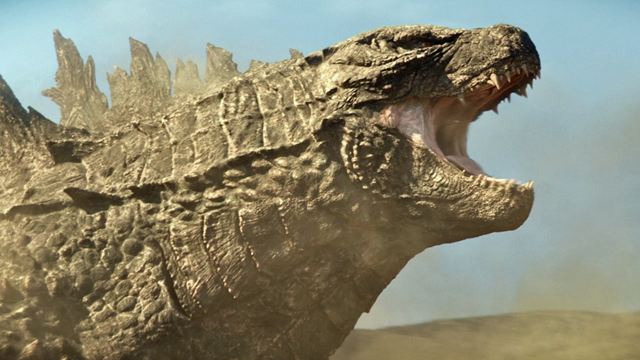
The collector market thrived with highly detailed, often expensive, vinyl and resin statues that appealed to adult fans. Vintage sofubi figures commanded significant prices on the secondary market, solidifying their status as collector’s items.
Simultaneously, Bandai continued to produce more accessible action figures, often tied to specific film eras or offering simplified designs for younger audiences. This created a landscape where dedicated fans could find their fix, but a truly unified and impactful global merchandise push for a new generation was still in its nascent stages.
The release of Gareth Edwards’ “Godzilla” in 2014 was more than just a cinematic event; it was a seismic shift for Godzilla toys worldwide. This American-produced reboot, with its grounded tone and imposing depiction of the King of the Monsters, ignited a fervor that translated directly into a robust and diverse toy line, captivating both long-time fans and a new generation.
A New Vision, A New Scale: Reimagining Godzilla for the Modern Era
Edwards’ Godzilla was a departure from previous iterations. This was a more colossal, more destructive, and arguably more terrifying creature. The toy designers faced the challenge of translating this new vision into tangible products that captured the film’s gravitas.
The Impact of the Legendary Pictures Design
The creature design itself was a critical factor. The 2014 Godzilla was a behemoth, a force of nature with a deliberate, powerful presence. This design lent itself perfectly to larger, more detailed figures. The toy companies wisely focused on capturing these key elements:
- Mass and Texture: The rugged, scaly skin and immense bulk of the film’s Godzilla were prioritized in sculpts.
- Intimidating Stance: The toy designs often featured a powerful, grounded pose that echoed the film’s depiction.
- Iconic Silhouette: The instantly recognizable dorsal fins and tail were rendered with striking accuracy.
The success of the film created an unprecedented demand for toys that authentically represented this new iteration of Godzilla, pushing manufacturers to new heights of quality and detail.
Bandai Tamashii Nations: The Pinnacle of 2014 Godzilla Collectibles
While many companies produced Godzilla toys for the 2014 release, Bandai’s Tamashii Nations, under its S.H. MonsterArts banner, truly shone. This line, dedicated to high-quality, articulated collectible figures, delivered arguably the definitive Godzilla toy of the era.
The S.H. MonsterArts Godzilla (2014)
The S.H. MonsterArts Godzilla (2014) was a masterclass in toy design. It was meticulously sculpted and painted to match the film’s CGI model, offering unparalleled accuracy and detail for a mass-produced figure.
- Articulation: Featuring a remarkable range of articulation, collectors could recreate iconic poses from the film, from its roaring stance to its atomic breath preparation.
- Paint Application: The nuanced paint work captured the subtle variations in Godzilla’s skin tone, its shadows, and highlights, giving it a lifelike appearance.
- Scale and Presence: The figure’s size was substantial, conveying the immense power of the creature.
The reception of the S.H. MonsterArts figure was overwhelmingly positive. Reviewers and collectors alike praised its fidelity to the film and its quality craftsmanship. This figure became a benchmark for what a Godzilla toy could be, setting a new standard for the collectible market.
Beyond MonsterArts: A Broad Spectrum of 2014 Godzilla Toys
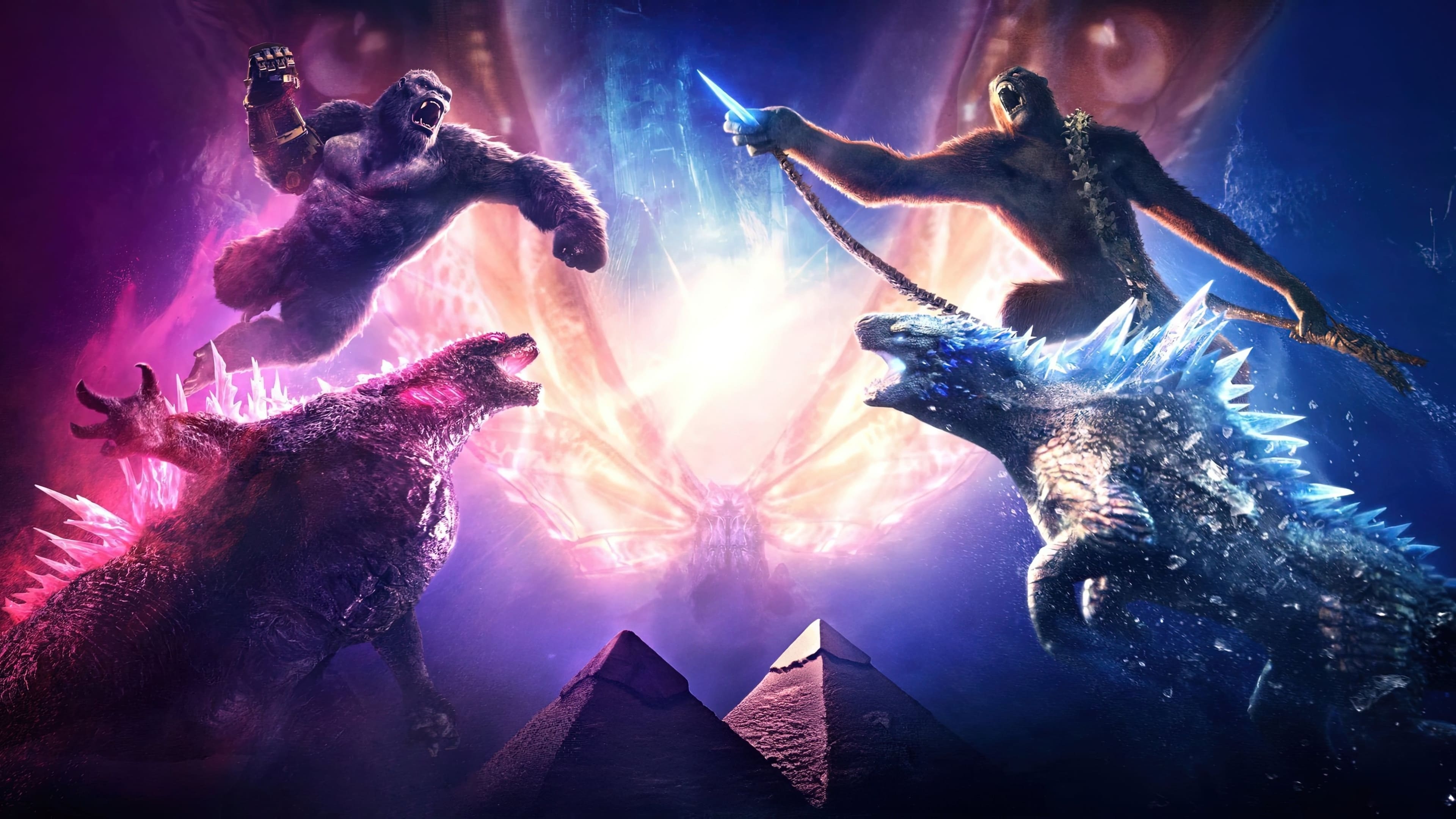
While S.H. MonsterArts captured the high-end market, the 2014 release also spurred a wave of more accessible and varied Godzilla toys, catering to a wider demographic.
From Playskool to Funko: Catering to All Ages
The 2014 movie’s broad appeal meant that toy companies aimed for a spectrum of price points and play styles. This included:
- Basic Action Figures: Companies like Bandai’s core toy line produced more affordable, durable figures for children, often with simple action features.
- Larger, More Detailed Figures: Other manufacturers offered figures in various scales, emphasizing detail and display value without the extensive articulation of MonsterArts.
- Funko POP! Figures: The ubiquitous Funko POP! line saw the 2014 Godzilla rendered in its stylized, collectible format, bringing the kaiju to a new wave of pop culture enthusiasts.
- Playskool Heroes Godzilla: Even younger children were introduced to Godzilla through simplified, “heroic” versions, often designed for safe play.
This multi-pronged approach ensured that virtually everyone, from the casual moviegoer to the seasoned collector, could find a piece of the 2014 Godzilla phenomenon to take home.
The Economic Impact: A Booming Market
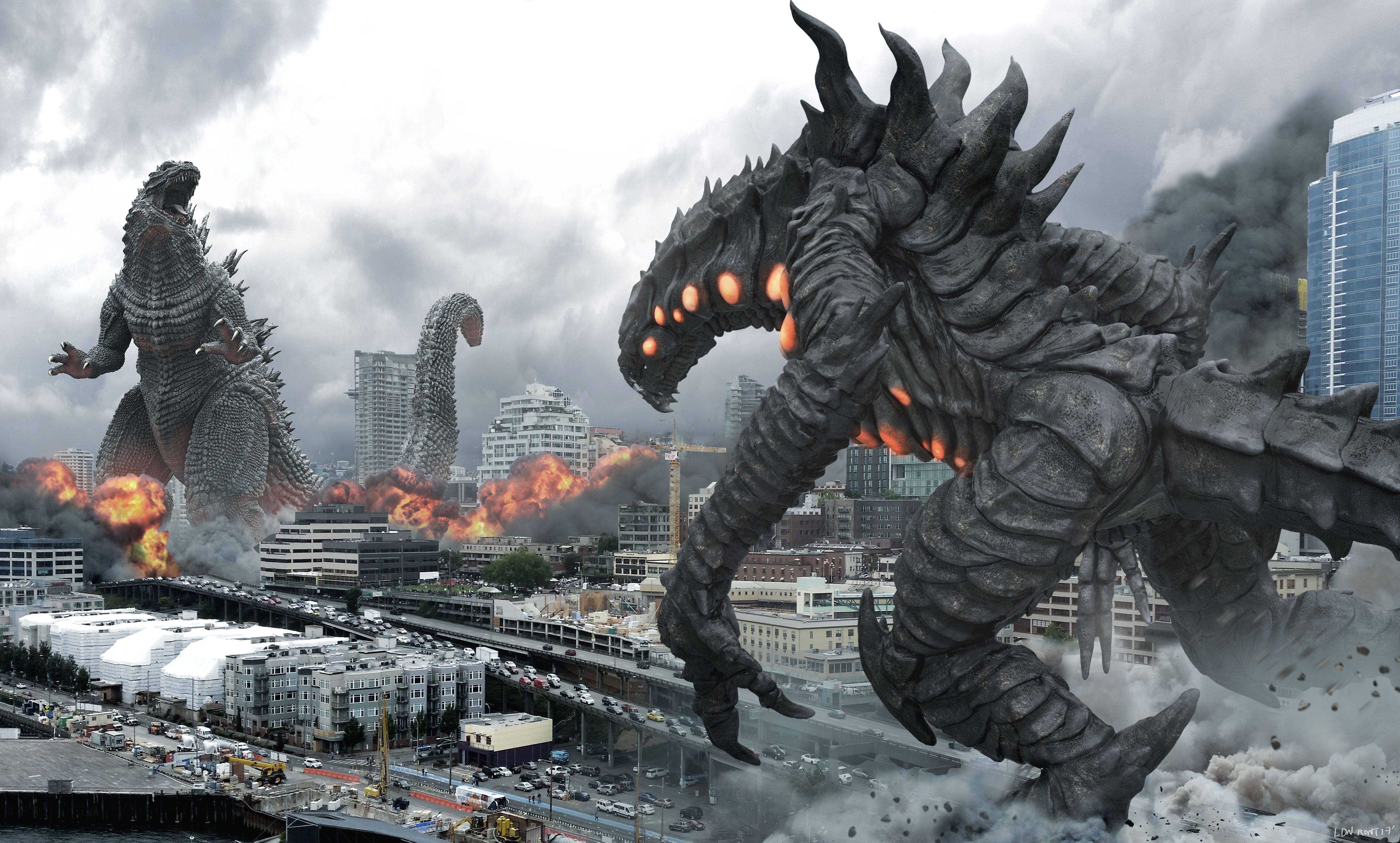
The success of the 2014 Godzilla film and its accompanying toy line had a significant economic impact. The increased demand spurred production and innovation within the toy industry.
- Increased Sales Figures: While specific toy sales figures are often proprietary, the general consensus among industry analysts was that the Godzilla toy line experienced a substantial boost in sales during and after the film’s release. This can be inferred from the widespread availability of the toys across various retail channels and the consistent restocking efforts observed.
- Brand Revitalization: The 2014 release revitalized the Godzilla brand, not just in film but also in the toy market, attracting new fans who might not have been familiar with the character’s long history.
- Stimulation of Related Merchandise: The success also trickled down to other Godzilla-related merchandise, from apparel to video games, all of which benefited from the heightened interest in the franchise.
The 2014 Godzilla toy line wasn’t just about plastic and paint; it was a testament to the enduring power of a cinematic icon and the industry’s ability to adapt and innovate to meet fan demand.
The evolution of Godzilla toys is a microcosm of changing manufacturing capabilities, shifting consumer trends, and the enduring cultural impact of a singular monster. The 2014 release, with its emphasis on detail, articulation, and broad appeal, stands as a watershed moment, bridging the gap between nostalgic fan desires and the demands of a modern, globalized market.
From Simplicity to Sophistication: A Continuous Trajectory
The journey from the early sofubi figures of the 1950s to the intricate S.H. MonsterArts of 2014 showcases a consistent trajectory: an ever-increasing desire for realism, poseability, and faithfulness to the on-screen depiction. As technology advances, so too do the possibilities for toy design.
The Collector’s Market and the Quest for Authenticity
The collector’s market has played a crucial role in driving this evolution. The demand for highly accurate representations of Godzilla, whether from specific films or reimagined for artistic interpretation, has pushed companies to invest in more sophisticated sculpting, paint applications, and articulation. This has led to:
- Higher Production Values: Even “basic” figures today often boast better paint detail and sculpt quality than their predecessors.
- Niche Specialization: Companies now cater to very specific collector needs, offering different scales, materials, and levels of detail.
- Articulated Masterpieces: Lines like S.H. MonsterArts have redefined what is possible in terms of poseable action figures, offering unparalleled on-screen accuracy.
This focus on authenticity ensures that Godzilla toys are not just toys but also representations of cinematic artistry.
The Future of King of the Monsters in Toy Form
With the continued success of the MonsterVerse and the anticipation surrounding future Godzilla films, the toy industry is poised for further innovation. We can expect:
- Further Integration of Technology: As digital sculpting and 3D printing become more accessible, we may see even more intricate details and potentially even interactive features in future toys.
- Wider Range of Materials: Beyond vinyl and plastic, we might see more use of die-cast metal or mixed-media figures for added weight and realism.
- Focus on Sustainability: As environmental consciousness grows, there may be a greater emphasis on eco-friendly materials and packaging in toy production.
- Continued Diversification: The success of the 2014 release proved that a broad range of products can coexist, and future lines will likely continue to cater to different age groups, price points, and collector interests.
The 2014 release of Godzilla toys was not merely a revival; it was a statement of intent. It demonstrated the enduring power of the King of the Monsters and his ability to adapt and captivate new generations. The toys of 2014 not only celebrated a cinematic triumph but also set a new benchmark for what Godzilla merchandise could be, ensuring that the legacy of this colossal icon continues to stomp its way into our collections and our imaginations for years to come.
A Reign Cemented in Play
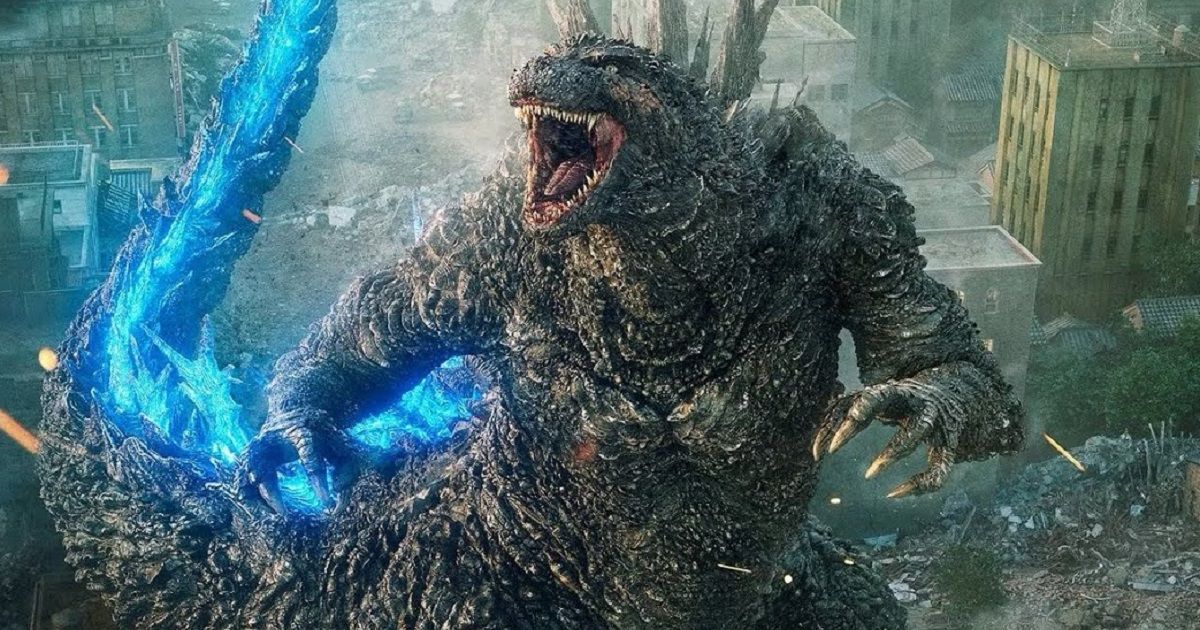
The evolution of Godzilla toys is a captivating narrative, mirroring the creature’s own cinematic journey. From the rudimentary sofubi figures of post-war Japan to the highly detailed and articulated collectibles of today, each era has brought new innovations and a deeper connection between fans and the King of the Monsters. The 2014 release of Gareth Edwards’ “Godzilla” marked a pivotal moment, revitalizing the franchise and its toy line with a focus on cinematic fidelity, quality craftsmanship, and a diverse range of products that appealed to all ages and collector levels. The success of this era, particularly exemplified by the S.H. MonsterArts line, solidified Godzilla’s place not just on the silver screen but as a perennial titan of the toy industry, promising an exciting and colossal future for his merchandise.
