Hunting is an age-old practice that combines skill, patience, and respect for nature. One of the tools that can enhance a hunter’s experience, especially in tree stand hunting or when accessing elevated hunting spots, is climbing spurs. These devices, which attach to the hunter’s legs and allow for climbing trees, can significantly improve access to game. However, the use of climbing spurs also carries inherent risks. This article provides essential safety tips for using climbing spurs in hunting, ensuring a secure and successful experience.
Understanding Climbing Spurs

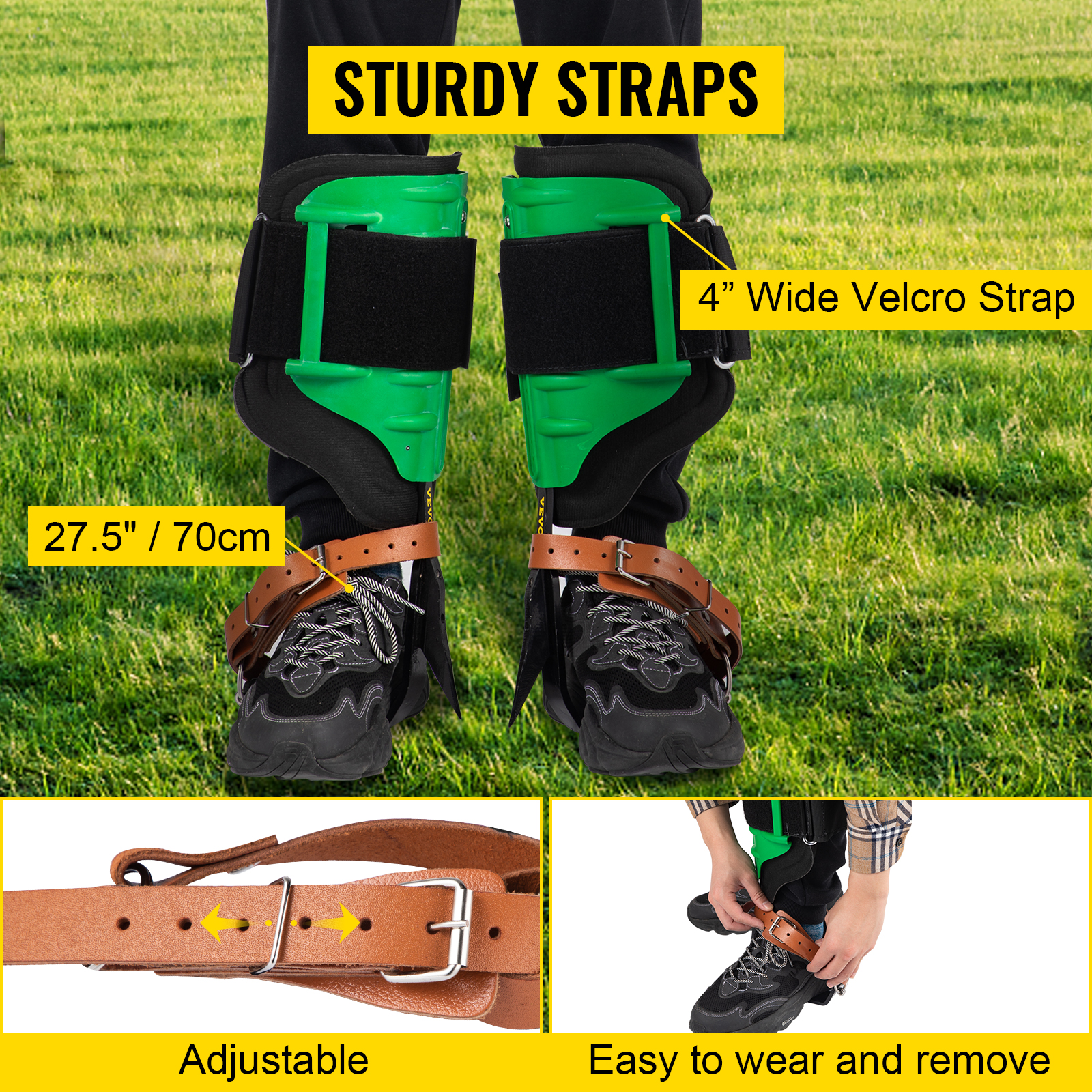
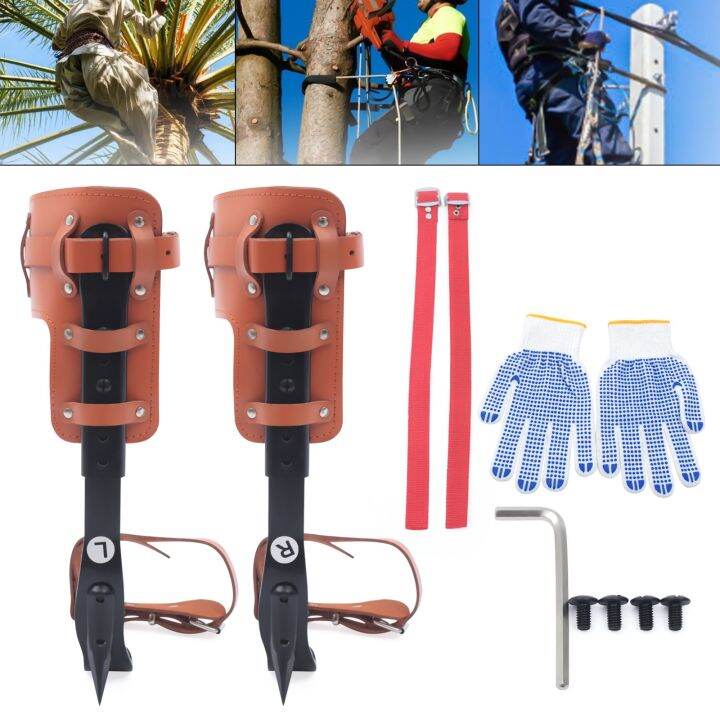
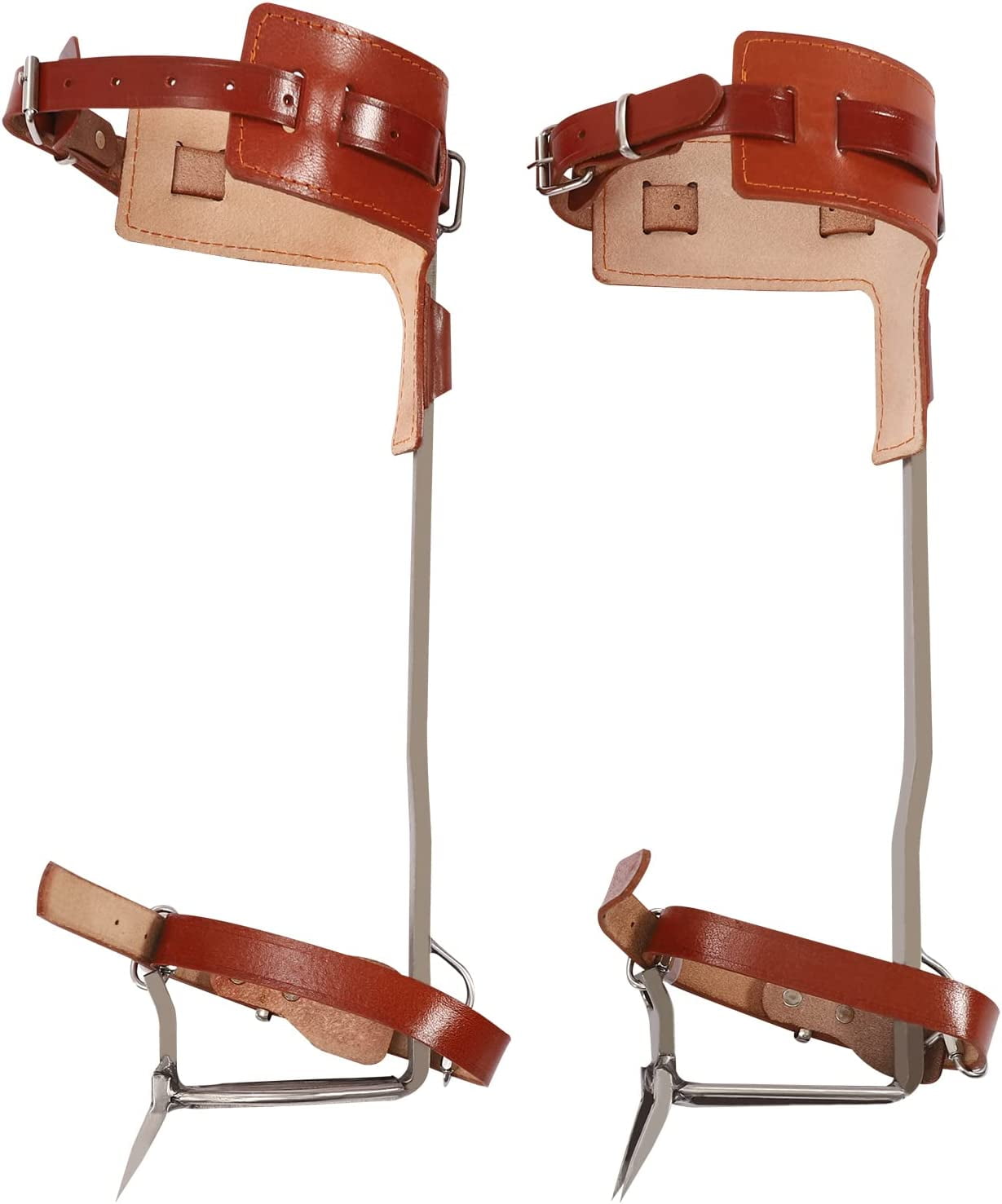
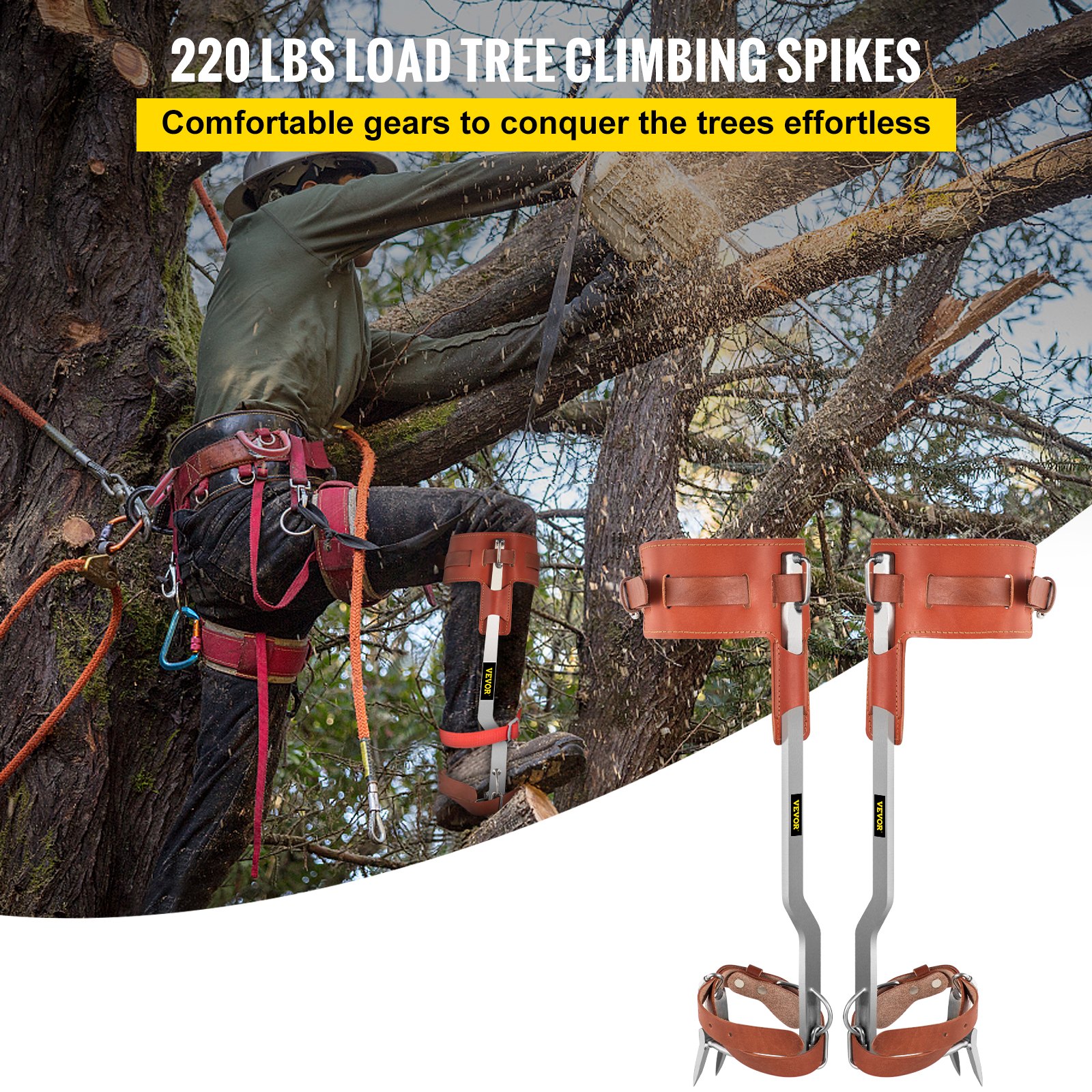
Climbing spurs, also known as tree spikes or climbing irons, are tools that consist of a footplate and a sharp spur that penetrates the tree bark. They are typically made of durable materials like aluminum or steel and are designed to provide stability and support as a hunter climbs. While they can be incredibly useful, improper use can lead to serious injuries or accidents. Understanding the anatomy and function of climbing spurs is the first step to using them safely.
Key Safety Considerations Before Climbing
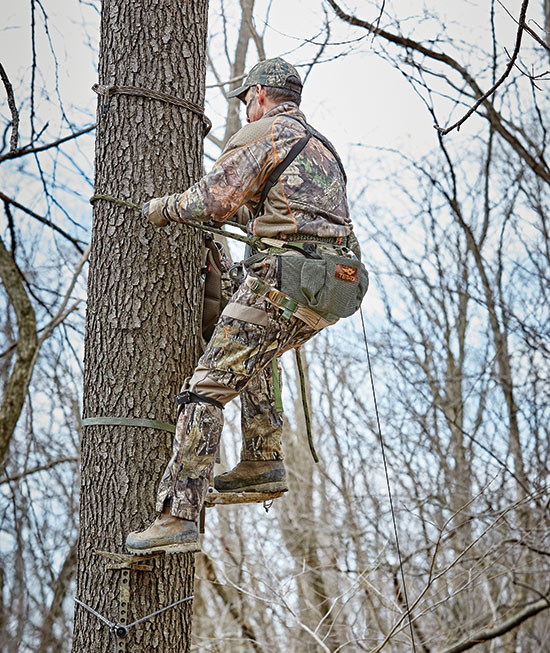
Before embarking on a hunting trip that involves climbing trees, it’s crucial to review several safety considerations:
- Inspect Your Equipment: Always examine your climbing spurs for any signs of wear or damage before use. Look for cracks, rust, or loose parts that may compromise safety.
- Wear Appropriate Gear: Proper footwear is essential. Sturdy, non-slip boots will provide better grip and support while climbing.
- Check Tree Conditions: Ensure the tree you plan to climb is healthy and has no defects such as rot or decay. Avoid climbing trees with loose bark or signs of insect infestation.
- Plan Your Ascent: Always have a clear plan for your ascent and descent. Identify safe handholds and footholds before starting your climb.
- Use a Safety Harness: A safety harness can prevent falls and should always be worn when using climbing spurs. It can provide additional security and peace of mind.
Proper Climbing Techniques
Using climbing spurs effectively requires mastering the right techniques. Here are essential techniques to ensure a safe ascent and descent:
- Maintain Three Points of Contact: Always keep three points of contact with the tree while climbing. This means two feet and one hand or two hands and one foot should be in contact at all times.
- Use Your Legs: Rely on your legs for most of the climbing effort. Push yourself upward with your legs rather than pulling yourself up with your arms.
- Take Your Time: Don’t rush the climb. Move slowly and deliberately to maintain balance and control.
- Communicate with Others: If hunting with a partner, communicate your plans and ensure they are aware of your location and actions.
Environmental Awareness
The environment plays a significant role in the safety of climbing spurs. Here are factors to consider:
- Weather Conditions: Avoid climbing during inclement weather such as rain or strong winds, which can make trees slippery and increase the risk of falling.
- Time of Day: Plan your climbs for daylight hours. Climbing in low light can lead to missteps and accidents.
- Wildlife Awareness: Be conscious of the wildlife around you. Climbing can attract attention, and it’s essential to be aware of any animals in the vicinity.
Case Studies of Climbing Spur Accidents
While climbing spurs can be safe when used correctly, accidents do occur. Analyzing case studies can provide insights into common mistakes and preventive measures:
- Case Study 1: A hunter fell while attempting to climb quickly to a tree stand. An investigation revealed that he had neglected to secure his safety harness, resulting in a serious injury. This incident underscores the importance of using a harness and climbing slowly.
- Case Study 2: Another hunter faced a near-fall due to climbing a tree with loose bark. The spurs lost grip, causing him to slip. The lesson learned here is to always check the tree’s health before climbing.
Statistics on Climbing Accidents
Understanding the statistics surrounding climbing accidents can highlight the importance of safety:
- According to the Tree Care Industry Association, approximately 30% of tree-related injuries involve falling from heights.
- The American Academy of Orthopaedic Surgeons reports that thousands of individuals are hospitalized each year due to ladder and climbing accidents, with many cases involving falls from trees.
After the Climb: Post-Climbing Safety Tips
Once you have successfully hunted from your elevated position, consider these post-climbing safety tips:
- Descend Carefully: Just as with climbing, take your time when descending. Maintain three points of contact and avoid rushing.
- Inspect Your Gear: After each use, inspect your climbing spurs for any damage or wear that might have occurred during the climb.
- Store Equipment Properly: Store your climbing spurs in a dry place, away from moisture and extreme temperatures to prolong their lifespan.
Utilizing climbing spurs can greatly enhance a hunter’s ability to access elevated locations, thereby increasing the chances of a successful hunt. However, safety must always come first. By adhering to the essential tips outlined in this article—such as inspecting your equipment, employing proper climbing techniques, being aware of environmental factors, and learning from case studies—you can minimize risks and enjoy a safer hunting experience. Remember, a well-prepared hunter is not only more successful but also sets an example for others in the community. Always prioritize safety, and make each climb a safe and enjoyable adventure.
