Growing lettuce indoors or in controlled environments requires a reliable source of light to ensure healthy growth. As urban gardening and hydroponics gain popularity, gardeners are often faced with the choice between LED (Light Emitting Diode) and fluorescent grow lights. Each type has its own set of advantages and disadvantages. This article will explore both options in detail, helping you determine which is best for your lettuce garden.
Understanding the Basics of Grow Lights
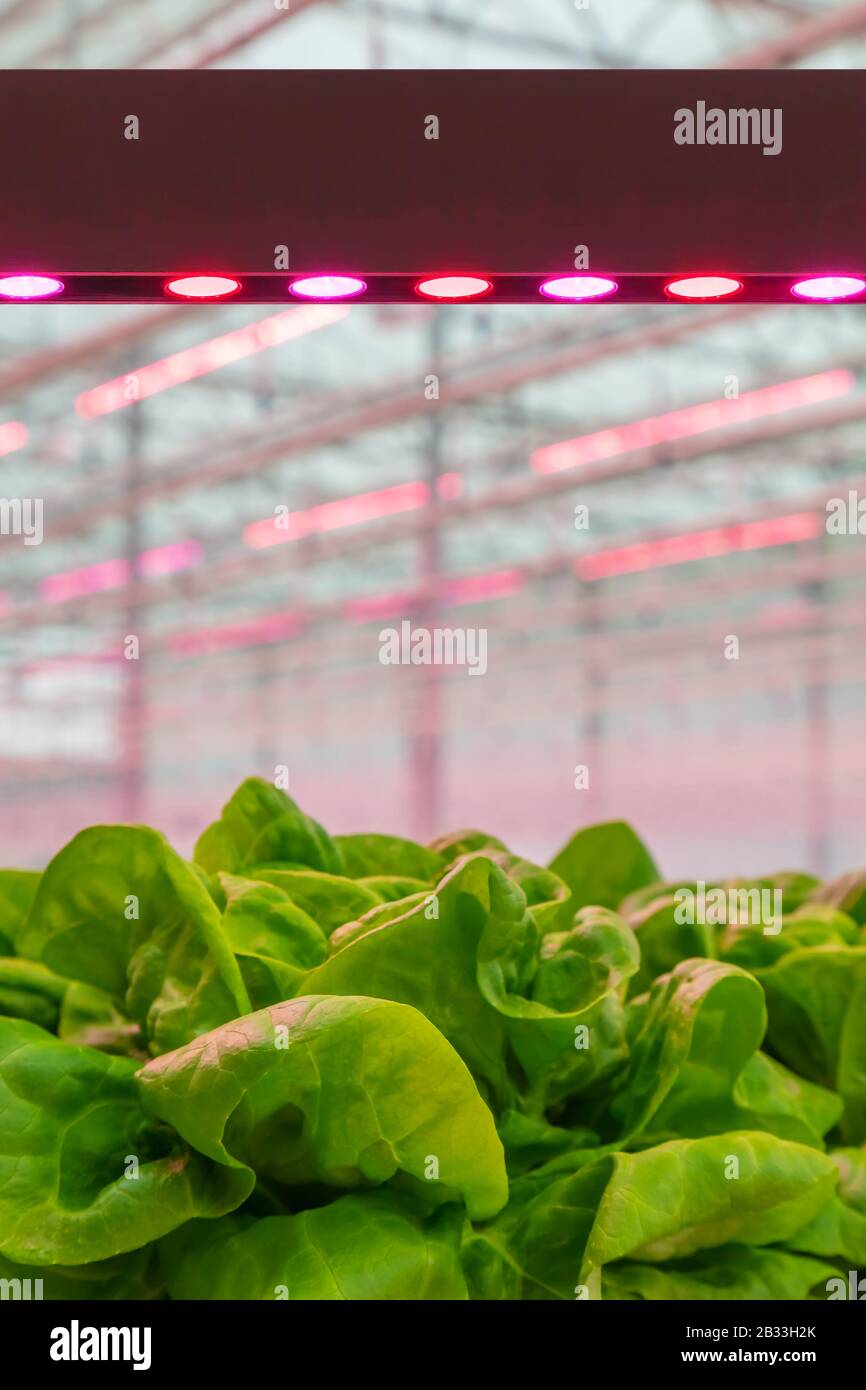
Before diving into the specifics of LED and fluorescent grow lights, it’s essential to understand their basic functions and how they contribute to plant growth. Grow lights provide the necessary spectrum of light that plants need for photosynthesis, which is vital for their growth and development.
Photosynthesis and Light Spectrum

Plants utilize light in different wavelengths for various processes, primarily photosynthesis. The most crucial wavelengths are:
- Blue Light (400-500 nm): Promotes vegetative growth, making it essential for leafy greens like lettuce.
- Red Light (600-700 nm): Encourages flowering and fruiting, but also supports overall plant health.
- Green Light (500-600 nm): Less utilized by plants, but can penetrate deeper into the foliage.
Both LED and fluorescent lights can provide these necessary wavelengths, but they do so in different ways, which can significantly affect your lettuce garden’s yield and health.
LED Grow Lights: An In-Depth Look
LED grow lights have gained considerable popularity in recent years due to their efficiency and technological advancements. Here’s a closer look at their features, benefits, and drawbacks.
Advantages of LED Grow Lights
- Energy Efficiency: LEDs consume significantly less power compared to fluorescent lights. They convert about 80-90% of energy into usable light, reducing your electricity bill.
- Longevity: LED grow lights typically last up to 50,000 hours, far outlasting fluorescent lights, which usually last around 10,000 hours.
- Full Spectrum Options: Many LED grow lights provide a full spectrum of light, including the ideal ranges for both vegetative and flowering phases.
- Low Heat Emission: LEDs emit less heat, reducing the risk of overheating plants and allowing them to be placed closer to the foliage.
Disadvantages of LED Grow Lights
- Initial Cost: The upfront cost of LED grow lights can be significantly higher than fluorescent options, which may deter some gardeners.
- Light Intensity: Some less expensive models may not provide sufficient intensity for all plant types, so it’s essential to choose quality brands.
Fluorescent Grow Lights: An In-Depth Look

Fluorescent grow lights have been a staple in indoor gardening for decades. Understanding their characteristics can help you decide if they are suitable for your lettuce garden.
Advantages of Fluorescent Grow Lights
- Lower Initial Cost: Fluorescent lights are generally cheaper to purchase than LEDs, making them an attractive option for budget-conscious gardeners.
- Good for Seedlings: They provide a gentle light that is ideal for seedlings and young plants, reducing the risk of light burn.
- Wide Availability: Fluorescent lights are readily available in various sizes and shapes, making them easy to find.
Disadvantages of Fluorescent Grow Lights
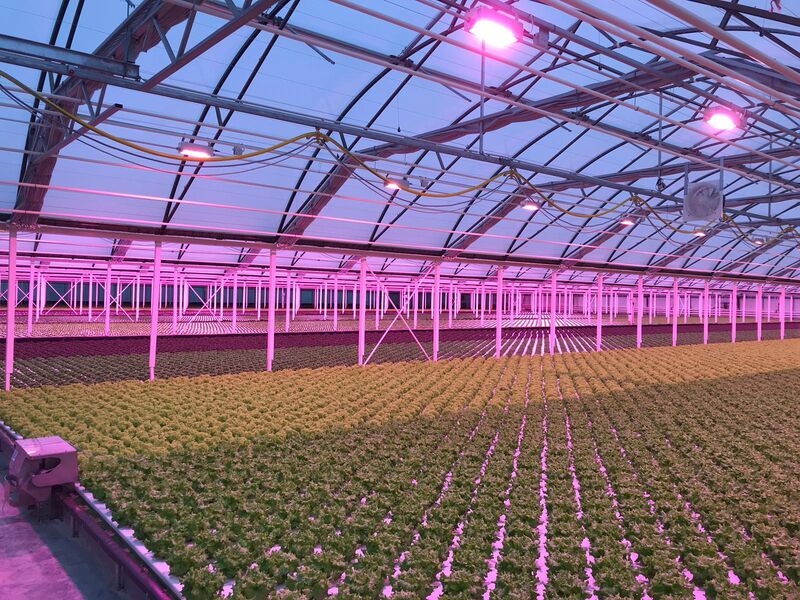
- Shorter Lifespan: With a lifespan of around 10,000 hours, fluorescent lights need to be replaced more frequently.
- Higher Heat Output: Fluorescent bulbs can generate more heat, which can be a concern if the lights are placed too close to plants.
- Limited Spectrum: While some fluorescent lights offer a balanced spectrum, they typically do not provide the full spectrum available in many LED options.
Comparative Analysis: LED vs. Fluorescent for Lettuce Growth

To determine which grow light is best for your lettuce garden, we must consider how each type performs specifically for leafy greens.
Light Spectrum and Plant Growth
Lettuce thrives under blue light conditions, as it promotes leafy growth. While both LED and fluorescent lights can deliver the necessary blue wavelengths, LEDs often provide a more adjustable spectrum, making them adaptable to different growth stages.
Energy Consumption and Cost Efficiency
LED grow lights are generally more energy-efficient, reducing long-term electricity costs. For a small lettuce garden, this could mean significant savings over time.
Heat Production
The lower heat output of LEDs is particularly beneficial for lettuce, as excessive heat can stress plants and lead to bolting (premature flowering). This is less of a concern with fluorescent lights, but it still requires attention to placement.
Case Studies: Real-World Applications
Several urban gardening projects have successfully utilized both LED and fluorescent lights, providing valuable insights into their effectiveness for growing lettuce.
Case Study 1: Urban Hydroponics with LEDs

A hydroponic farm in New York City adopted LED grow lights for its lettuce production. The farm reported a 30% increase in yield compared to previous years with fluorescent lights. The energy savings allowed them to reinvest in expanding their operations.
Case Study 2: Community Garden with Fluorescent Lights
A community garden in San Francisco implemented fluorescent grow lights for their lettuce crops. While they experienced steady growth, they faced challenges with heat and had to manage light placement carefully. The gardeners opted for fluorescent lights due to their lower initial costs and found them suitable for their budgeting needs.
Making the Right Choice for Your Lettuce Garden
Your choice between LED and fluorescent grow lights should depend on several factors, including:
- Budget: If initial cost is a primary concern, fluorescent lights may be the way to go.
- Space: In smaller spaces, the heat output of fluorescent lights can become an issue, making LEDs a better option.
- Growth Goals: If maximizing yield and energy efficiency is your priority, investing in quality LED lights is advisable.
When choosing between LED and fluorescent grow lights for your lettuce garden, it’s essential to weigh the pros and cons of each option. LEDs offer long-term savings, efficiency, and adaptability, making them excellent for serious growers. On the other hand, fluorescent lights can be a more accessible option for beginners or those on a tight budget.
Ultimately, the best choice will depend on your specific needs, growing environment, and budget. As urban gardening continues to evolve, understanding the tools at your disposal will empower you to create a thriving indoor lettuce garden.
