As technology advances, homeowners and businesses alike are constantly evaluating the best options for their electrical systems. One area of interest is the choice between Kraus air switches and traditional switches. This article will delve into the differences, advantages, and disadvantages of both systems, equipping you with the knowledge to make an informed decision.
Understanding Kraus Air Switches
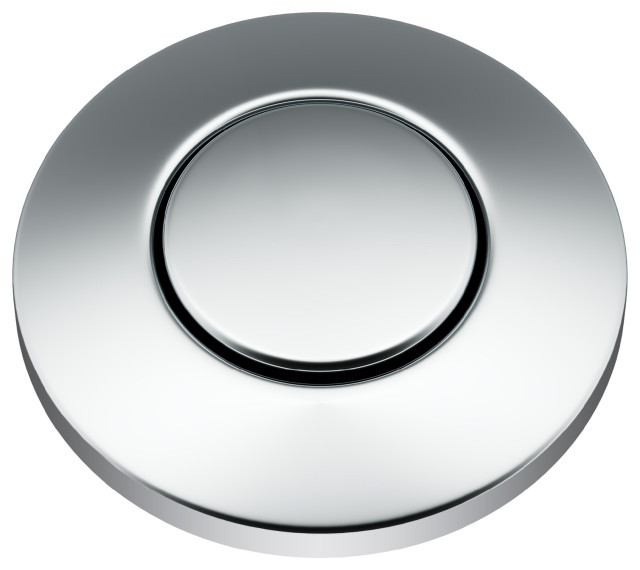
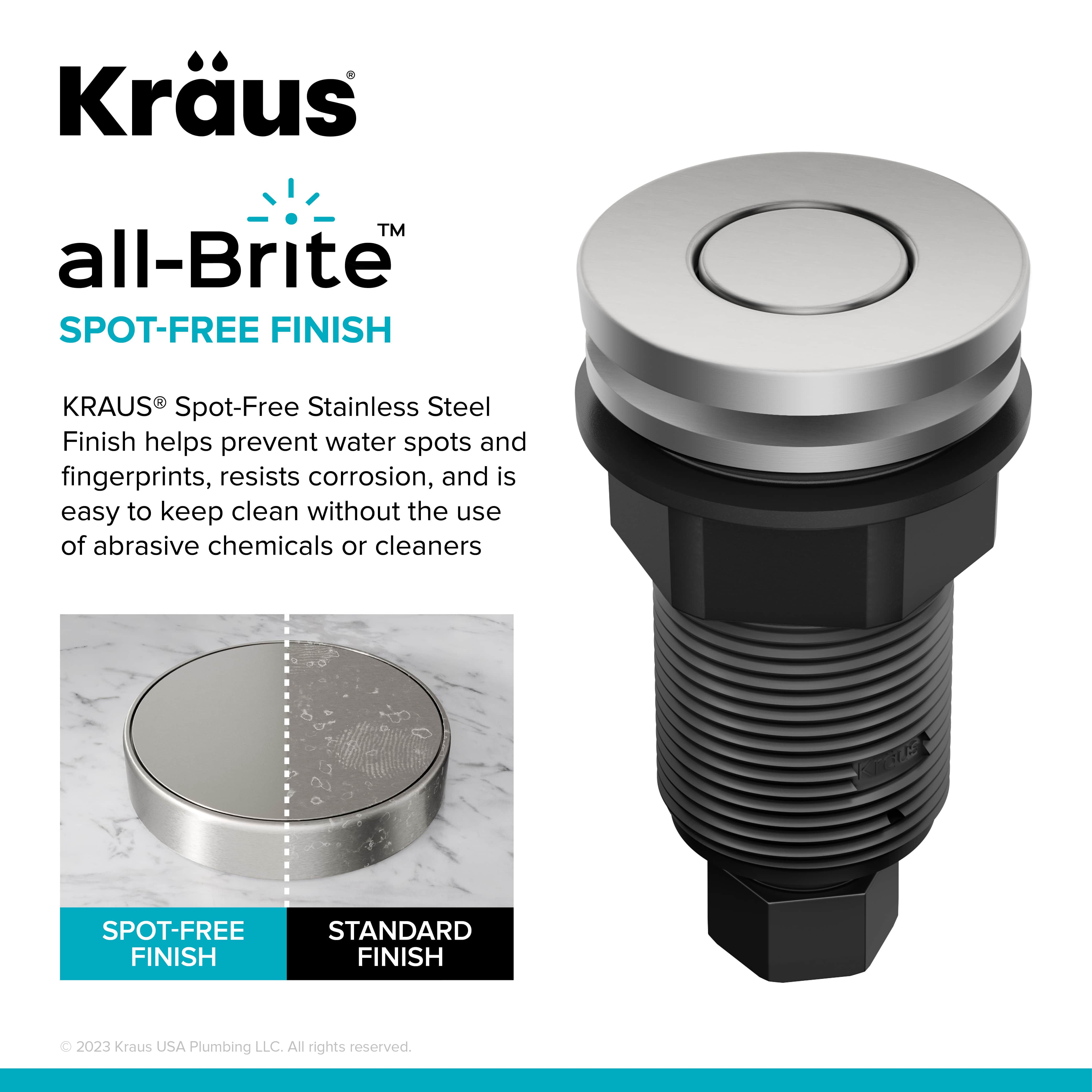
Kraus air switches are a modern alternative to traditional electrical switches. They operate using air pressure rather than mechanical contacts. When you press the switch, air is sent through a tube to activate the device. This technology offers several benefits that are appealing to many users.
Benefits of Kraus Air Switches
- Safety: One of the primary advantages of Kraus air switches is enhanced safety. Since they operate without direct electrical contact, there is a reduced risk of electrical shock.
- Durability: With no mechanical parts subject to wear and tear, Kraus air switches tend to have a longer lifespan compared to traditional switches.
- Ease of Installation: These switches can be installed with minimal effort, often requiring only basic plumbing skills.
- Versatility: Kraus air switches are suitable for a variety of applications, including sinks, garbage disposals, and other appliances.
The Mechanics of Traditional Switches
Traditional switches, on the other hand, have been a staple in electrical systems for decades. They typically consist of mechanical components that open and close electrical circuits when toggled.
Advantages of Traditional Switches

- Cost-Effective: Generally, traditional switches are less expensive to purchase and install compared to Kraus air switches.
- Widespread Availability: They are widely available and come in various designs, making them easy to find and replace.
- Familiarity: Many electricians and homeowners are more familiar with traditional switches, leading to easier troubleshooting and repair.
Comparative Analysis: Kraus Air Switches vs. Traditional Switches

To better understand which switch might be the right choice for your needs, let’s compare Kraus air switches and traditional switches in several key areas:
1. Safety
Safety is paramount in any electrical system. Kraus air switches excel in this area due to their design. The absence of electrical current at the switch itself minimizes the risk of shock. Traditional switches, while generally safe, can pose hazards if improperly installed or damaged.
2. Lifespan
Kraus air switches typically last longer than traditional switches because they have fewer mechanical parts. A study conducted by an independent electrical safety organization found that air switches have a lifespan that is approximately 50% longer than that of conventional switches.
3. Installation and Maintenance
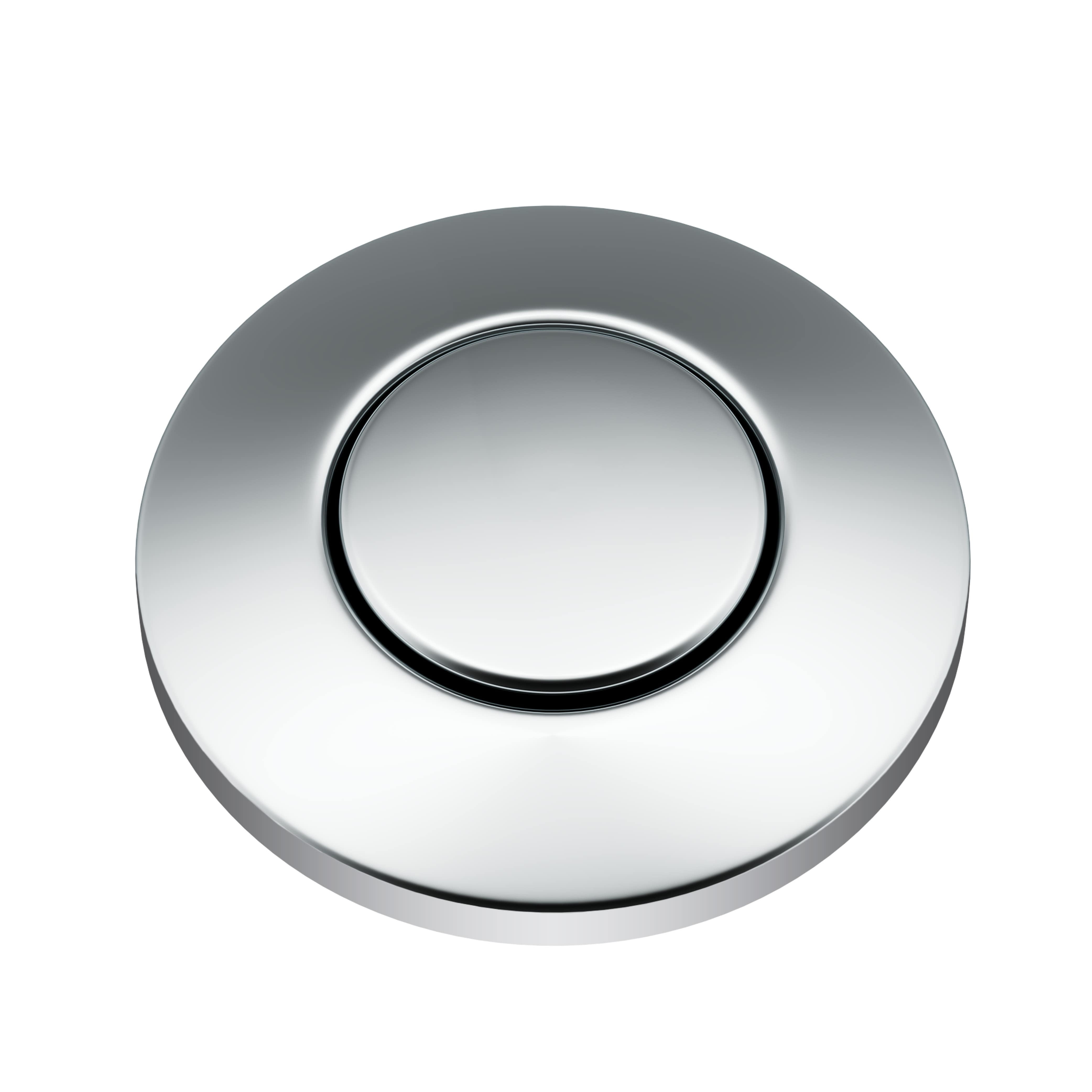
Installation is another critical factor. Kraus air switches can be installed without needing access to electrical wiring, making them ideal for retrofitting in existing systems. Traditional switches, however, require a certain level of electrical knowledge for safe installation.
4. Cost
While Kraus air switches offer many advantages, they come at a higher price point than traditional switches. The initial investment may be worth it for those prioritizing safety and longevity, but for budget-conscious consumers, traditional switches may be more appealing.
5. Applications
Both types of switches are versatile, but Kraus air switches are particularly popular in specific applications, such as:
- Kitchen sinks and garbage disposals.
- Bathroom vanities.
- Outdoor lighting systems.
- Any wet environments where electrical safety is a concern.
Case Studies: Real-World Applications
To illustrate the effectiveness of Kraus air switches, consider two case studies:
Case Study 1: Restaurant Kitchen
A busy restaurant installed Kraus air switches for their kitchen sink and garbage disposal. The owner reported a significant decrease in electrical shock incidents and improved safety for staff. Additionally, the maintenance costs associated with traditional switches dropped due to the increased durability of the air switches.
Case Study 2: Residential Bathroom
A homeowner opted for Kraus air switches in their bathroom remodel, citing concerns about moisture and electrical safety. The air switches worked seamlessly, and the homeowner appreciated the ease of installation as well as the sleek design that complemented the bathroom aesthetics.
Statistics on Consumer Preferences
Recent surveys have shown shifting consumer preferences regarding switch technology:
- Approximately 65% of homeowners prioritize safety features in their electrical systems.
- Over 70% of electricians reported a growing interest in air-switch technology.
- Consumer feedback indicates that 80% of those who switched to Kraus air switches would recommend them to others.
Conclusion: Making the Right Choice

In summary, both Kraus air switches and traditional switches have their unique advantages and disadvantages. Kraus air switches offer superior safety, durability, and ease of installation, making them an excellent choice for specific applications, especially in environments where moisture is a concern. On the other hand, traditional switches remain popular due to their lower cost and widespread availability.
Ultimately, your choice will depend on your specific needs, budget, and application. If safety and longevity are your primary concerns, Kraus air switches may be the better option. However, if cost is a significant factor, traditional switches might be the way to go. By weighing these factors carefully, you can make the best decision for your electrical system and ensure a safe and efficient environment.
