Billiards is a game that combines skill, strategy, and precision. While technique and practice are crucial for success, one often overlooked aspect of the game is the lighting. Proper billiard lighting can significantly enhance the playing experience, improve accuracy, and even influence the outcome of a game. In this article, we will explore the importance of appropriate lighting in billiards, the types of lighting available, and how to create the perfect environment for your games.
The Impact of Lighting on Billiards Performance

Lighting is not merely a matter of aesthetics; it plays a critical role in how players perceive the game. Here’s how proper lighting affects performance:
- Visibility: Clear visibility is essential for making accurate shots. Insufficient lighting can lead to misjudgments and mistakes.
- Focus: Proper lighting minimizes distractions, allowing players to concentrate better on the game.
- Depth Perception: Good lighting helps players judge distances and angles accurately, which is vital for making successful shots.
- Comfort: Poor lighting can cause eye strain and fatigue, detracting from the enjoyment of the game.
Types of Billiard Lighting
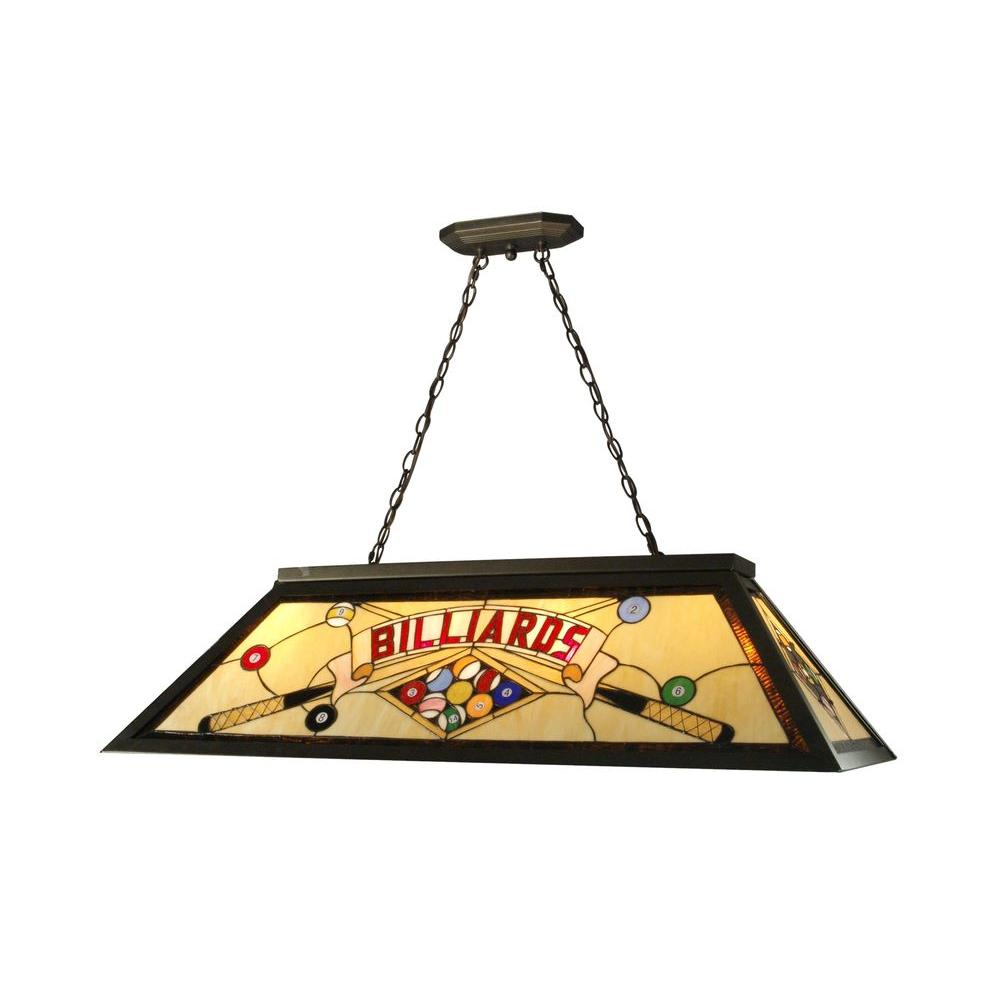
When it comes to billiard lighting, several options are available, each with its advantages and drawbacks. Understanding these types can help players choose the best lighting for their needs.
1. Pendant Lights
Pendant lights are traditionally used in billiard rooms. They are suspended from the ceiling and positioned directly above the table, providing focused illumination.
- Pros: Provides direct lighting, minimizes shadows, and enhances table visibility.
- Cons: Installation can be costly and may require ceiling modifications.
2. LED Strip Lights
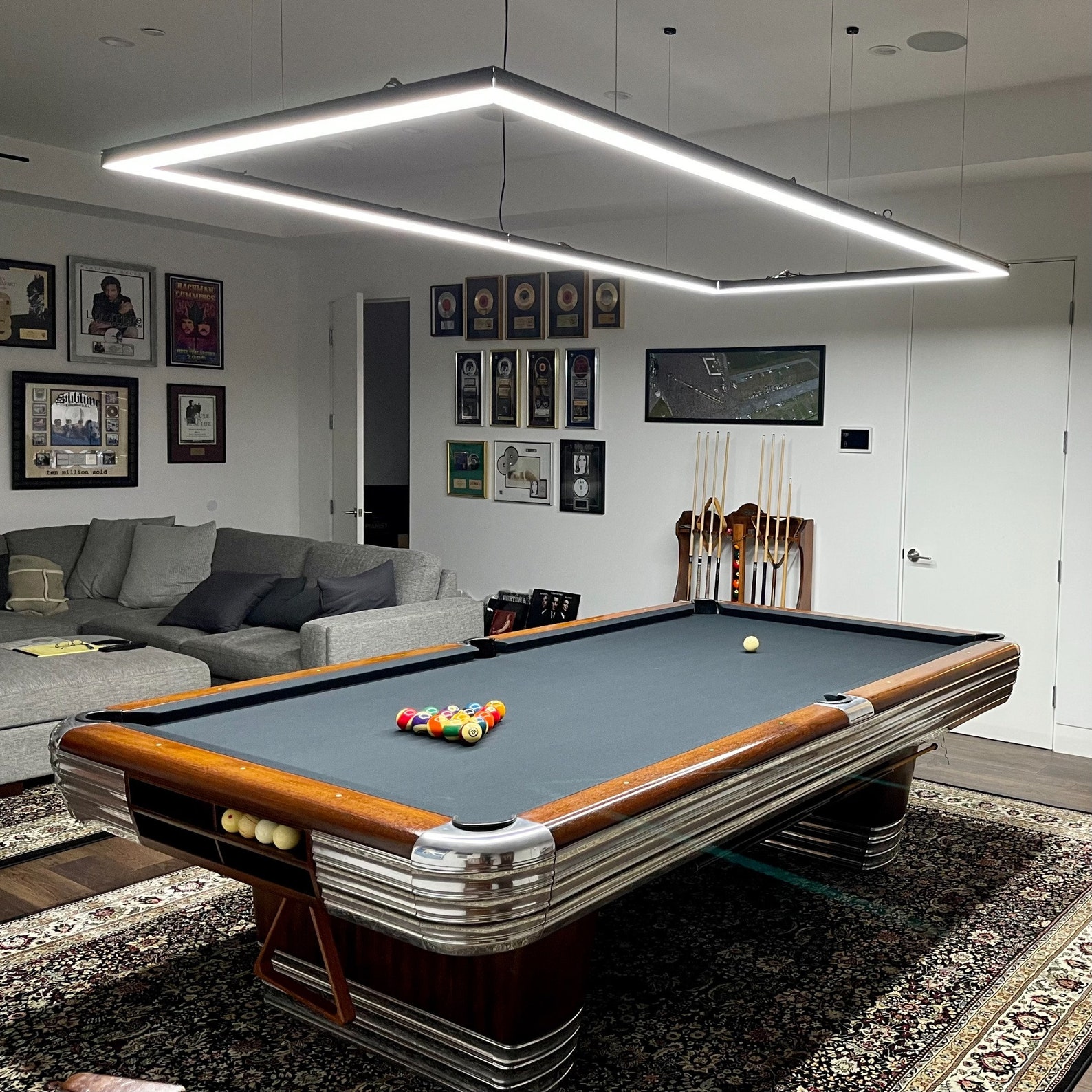
LED strip lights are a modern solution that can be installed around the perimeter of the billiard table or along the walls.
- Pros: Energy-efficient, customizable, and available in various colors and intensities.
- Cons: May not provide as much direct lighting as pendant fixtures.
3. Recessed Lighting
Recessed lights are installed within the ceiling, providing a clean and minimalist look while illuminating the space effectively.
- Pros: Offers a modern aesthetic and can be strategically placed to reduce shadows.
- Cons: Installation can be complicated and may require professional help.
4. Fluorescent Lighting
Fluorescent lights are a cost-effective option but are less commonly used in billiard rooms today.
- Pros: Affordable and energy-efficient.
- Cons: Can create harsh glare and are less aesthetically pleasing than other options.
Key Factors to Consider for Optimal Billiard Lighting
Choosing the right lighting for a billiard table involves several considerations. The following factors are essential in creating the ideal setup:
1. Brightness
The brightness of the light is critical to ensure clear visibility. The ideal brightness level is typically between 300 to 500 lumens per square foot. This can vary based on personal preference and the color of the table felt.
2. Color Temperature

The color temperature of the lighting affects how colors are perceived on the table. A color temperature of around 4000K to 5000K is recommended for billiard lighting, as it mimics natural daylight and enhances visibility without causing glare.
3. Shadow Reduction
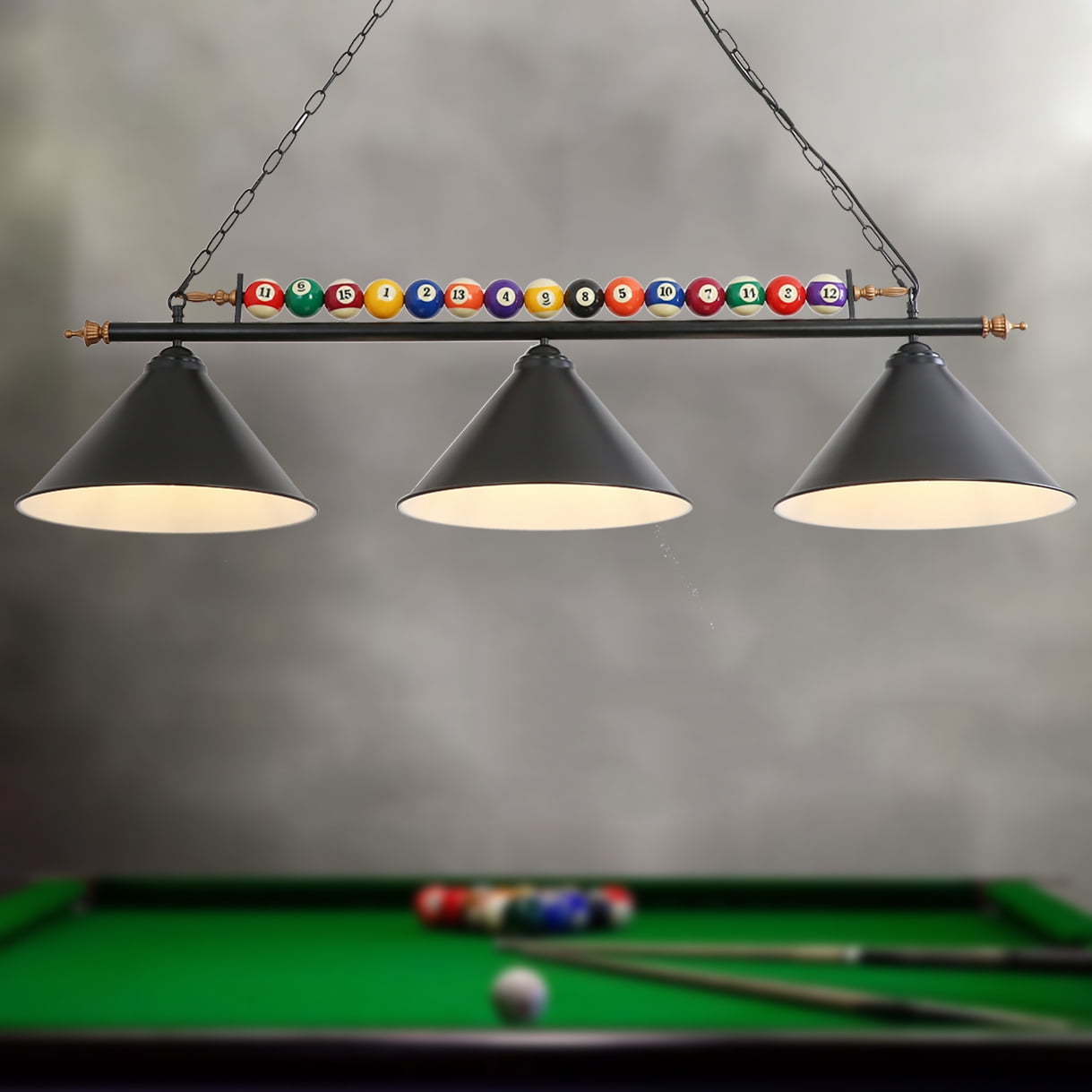
Lighting should be positioned to minimize shadows on the table. This can be achieved by using multiple light sources or adjustable fixtures to direct light where it is needed most.
4. Aesthetic Appeal
The lighting should complement the overall design of the billiard room. Pendant lights, for example, can serve as a focal point while providing necessary illumination.
Case Studies and Real-World Examples
To illustrate the importance of proper billiard lighting, let’s examine a few case studies:
1. The Local Pool Hall
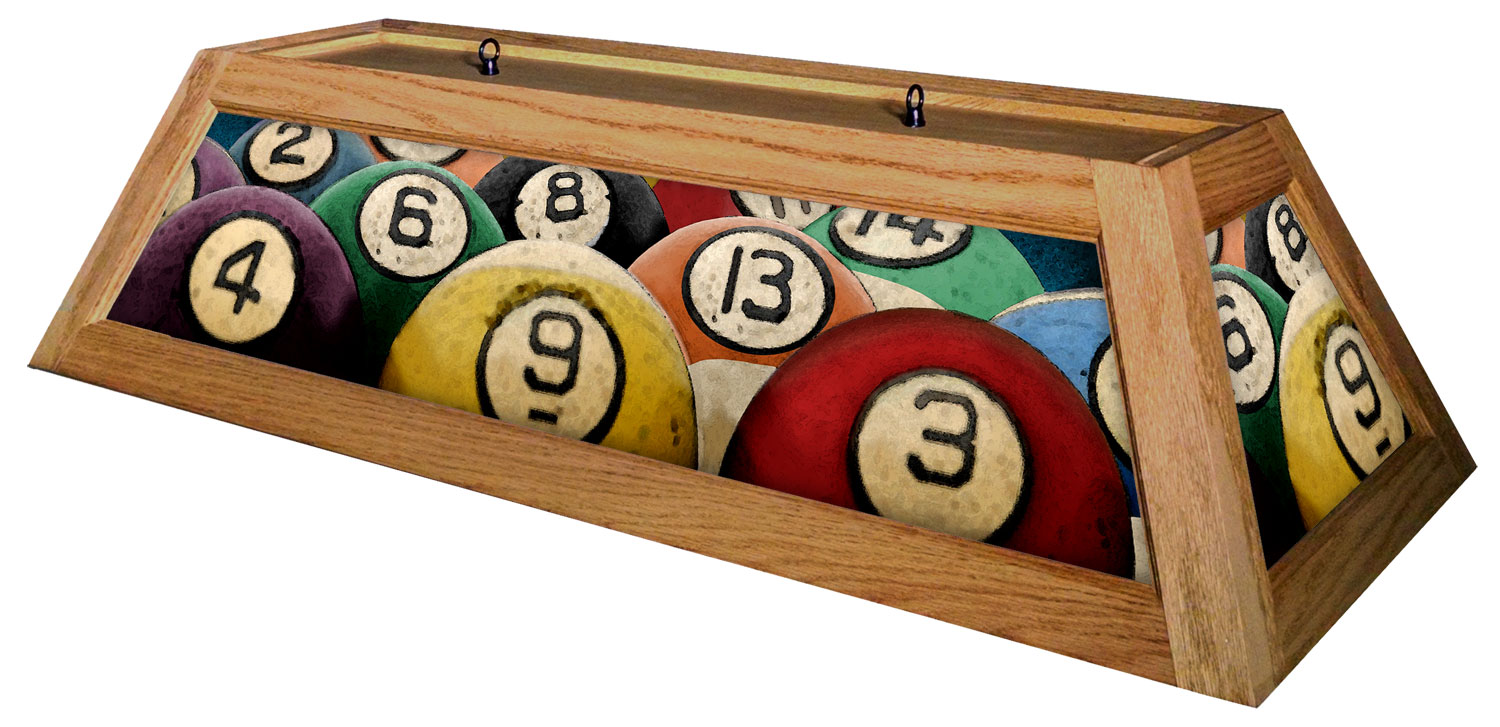
A local pool hall recently upgraded its lighting system from fluorescent to LED pendant lights. The owners reported a noticeable increase in customer satisfaction and game accuracy among players. After the upgrade, players commented on how much clearer the table looked and how they could see the balls more distinctly, leading to improved gameplay.
2. Home Billiard Room Makeover
A billiard enthusiast transformed their garage into a home billiard room by installing recessed lighting along with a stylish pendant light above the table. The owner noted that the new lighting setup not only enhanced the room’s aesthetics but also created an inviting atmosphere that encouraged friends and family to gather and play.
Statistics on Lighting and Performance
Research has shown a direct correlation between lighting quality and performance in various sports, including billiards. Here are some relevant statistics:
- A study by the International Journal of Sports Science found that athletes performing in well-lit environments improved their performance by up to 20% compared to dimly lit settings.
- According to the American Academy of Ophthalmology, proper lighting reduces eye strain and fatigue, which can enhance focus and performance during prolonged games.
Proper billiard lighting is more than just an aesthetic choice; it is a vital element that can significantly impact performance, enjoyment, and the overall atmosphere of the game. By understanding the types of lighting available and the key factors that contribute to optimal lighting conditions, players can create an environment that enhances their skills and elevates their playing experience. Whether you are a casual player or a serious competitor, investing in the right lighting can illuminate your game and take your skills to the next level.
In summary, remember the following key takeaways:
- Proper lighting enhances visibility, focus, and depth perception.
- Different types of lighting serve unique purposes; choose based on your needs.
- Consider factors such as brightness, color temperature, and shadow reduction for optimal results.
- Real-world examples demonstrate the positive impact of proper lighting on performance and enjoyment.
Illuminate your game and enjoy every shot with the right lighting in place!
