Beneath the manicured lawns, bustling streets, and sprawling urban landscapes lies an intricate, often invisible network of essential services. Water, gas, electricity, telecommunications, and sewage lines are the lifeblood of modern society, quietly powering our homes, connecting our businesses, and ensuring our daily comfort and safety. However, this vital infrastructure is also remarkably fragile. A misstep during excavation, a seemingly minor construction project, or even an accidental dig can trigger a cascade of devastating consequences: costly repairs, widespread service disruptions, environmental damage, and, most tragically, severe injuries or fatalities. This is where the indispensable role of utility line locators comes into sharp focus. These trained professionals and their sophisticated technology act as the vigilant guardians of our underground world, preventing billions of dollars in damage and averting potentially catastrophic accidents every year.
The Hidden Dangers of the Underground Realm

The vast majority of utility lines are buried, often at varying depths, making them invisible to the naked eye. This obscurity presents a significant risk to anyone undertaking excavation activities, whether for large-scale construction projects, routine maintenance, or even a simple landscaping endeavor. The consequences of striking an underground utility can be far-reaching and severe:
- Natural Gas Lines: Ruptured gas lines can lead to explosions, fires, and significant property destruction. The immediate danger to human life is immense, with historical incidents demonstrating the catastrophic potential of uncontrolled gas releases.
- Electrical Cables: Damaged high-voltage electrical cables pose an electrocution risk, not only to the individual striking the line but also to surrounding areas. Power outages can cripple businesses and critical services, impacting entire communities.
- Water Mains: Breaches in water mains can cause extensive flooding, leading to structural damage, mold growth, and disruption of water supply. The loss of potable water can have significant public health implications.
- Sewer Lines: Damaged sewer lines can result in the release of hazardous waste into the environment, contaminating soil and water sources, and posing serious health risks.
- Telecommunication Cables: While seemingly less dramatic, severed fiber optic or copper cables can cripple communication networks, impacting internet access, phone services, and critical data transmission for businesses and individuals.
The financial ramifications of such damage are staggering. According to the Common Ground Alliance (CGA), a non-profit organization dedicated to preventing excavation-related damages, in 2022 alone, estimated damages to underground utilities in the United States amounted to billions of dollars. These costs include not only the immediate repair of the damaged line but also the expenses associated with emergency response, service restoration, environmental remediation, and potential legal liabilities.
The Science and Skill of Utility Line Locating
Utility line locating is a specialized field that combines advanced technology with the expertise of trained professionals. The primary goal is to identify the precise horizontal and vertical location of underground utilities before any digging commences. This is typically achieved through a multi-faceted approach:
The “Call Before You Dig” Mandate
The cornerstone of preventing underground damage is the “Call Before You Dig” (or “811”) system. In most jurisdictions, it is a legal requirement for anyone planning to excavate to contact their local 811 center at least a few days in advance of their project. This call triggers a process where the 811 center notifies all utility companies operating in the vicinity of the proposed excavation. These utility companies then dispatch their own trained locators, or contract with professional locating services, to mark the approximate location of their underground lines.
Advanced Locating Technologies

Utility locators employ a range of sophisticated tools and techniques to pinpoint buried infrastructure. These technologies are crucial for accurately identifying lines that may not be actively transmitting a signal or are made of non-metallic materials that are more challenging to detect:
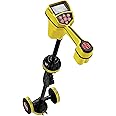
- Electromagnetic Locators: These are the workhorses of the industry. An electromagnetic locator consists of a transmitter and a receiver. The transmitter is connected to a metallic utility line, inducing a traceable signal along its length. The receiver, when swept over the ground, detects this signal and indicates the presence and approximate location of the line. For non-metallic lines, specialized methods like induction or sounding may be employed.
- Ground Penetrating Radar (GPR): GPR uses radar pulses to image the subsurface. It can detect a wide range of buried objects, including non-metallic pipes, conduits, and unmarked utilities, making it an invaluable tool for complex or previously undocumented underground networks.
- Acoustic Locators: These devices listen for the sounds of leaking water mains or the hum of active electrical lines, providing additional clues about the presence and condition of underground infrastructure.
- Magnetic Locators: Primarily used for detecting buried iron or steel objects, such as valve boxes or old pipeline remnants, magnetic locators are a complementary tool in the locator’s arsenal.
The Art of Interpretation and Verification
While technology is essential, the skill and experience of the utility locator are paramount. Locators must possess a deep understanding of utility construction practices, soil conditions, and potential sources of interference. They must be able to:
- Interpret the signals from their equipment accurately.
- Differentiate between various types of underground utilities.
- Identify potential anomalies or indications of unknown infrastructure.
- Employ a combination of locating methods to verify their findings.
- Communicate their findings clearly and effectively through marking systems.
The industry standard for marking is the use of color-coded spray paint or flags, with each color representing a different type of utility. For example, red typically signifies electricity, yellow for gas, orange for telecommunications, blue for water, and green for sewer. These marks provide vital visual guidance for excavators, delineating safe digging zones.
Preventing Damage: Real-World Impacts and Case Studies
The effectiveness of utility line locating is best illustrated through tangible examples of averted disasters and avoided costs:
Case Study: A Near Miss on a Major Highway Project

During a significant highway expansion project, a team of utility locators was engaged to map the underground network. Their diligent work, utilizing both electromagnetic locators and GPR, revealed a previously unmapped, high-pressure natural gas pipeline buried deeper than anticipated. Had this line been struck during routine excavation, the consequences could have been catastrophic, including a massive explosion, extensive damage to the highway infrastructure, and potential loss of life for workers and motorists.
Statistic: According to the CGA, in 2022, over 370,000 excavation-related damages to underground utilities were reported in the U.S. However, this number would be significantly higher without the proactive efforts of 811 programs and professional locators.
Case Study: Protecting Critical Infrastructure During Urban Redevelopment
In a densely populated urban area undergoing redevelopment, a utility locating firm was tasked with identifying all underground services before the demolition of an old building and the construction of a new commercial complex. Their thorough investigation uncovered a complex web of old and new utility lines, including multiple active fiber optic cables serving critical businesses. By precisely marking these lines, the locating team prevented accidental severing, ensuring uninterrupted internet and communication services for hundreds of businesses and avoiding millions of dollars in lost revenue and repair costs.
Statistic: The economic impact of communication outages can be devastating. A single hour of internet downtime for a large e-commerce company can result in hundreds of thousands of dollars in lost sales and reputational damage.
The Economic Value Proposition

The investment in professional utility line locating services is a fraction of the potential cost of a single damaging incident. While the exact cost of locating varies depending on the complexity of the site and the extent of the underground infrastructure, it is consistently a sound economic decision. The financial benefits extend beyond immediate repair costs to include:
- Reduced risk of legal liability and fines.
- Minimized business interruption and lost revenue.
- Prevention of environmental remediation expenses.
- Protection of brand reputation.
- Ensuring the safety and well-being of workers and the public.
The proactive approach of utility line locating is not merely a compliance issue; it is a fundamental pillar of responsible infrastructure management and public safety.
The Evolving Landscape of Utility Line Locating

The field of utility line locating is constantly evolving, driven by technological advancements and a growing awareness of the importance of underground infrastructure protection. Emerging trends include:
- Increased use of AI and Machine Learning: These technologies are being explored to analyze GPR data more efficiently and identify patterns that might indicate the presence of unknown utilities.
- Advancements in sensor technology: New sensors are being developed that can detect a wider range of materials and provide more precise location data.
- Integration with Geographic Information Systems (GIS): Digitizing and mapping underground utilities in real-time provides a comprehensive and accessible database for planning and operations.
- Enhanced training and certification programs: Ensuring that locators have up-to-date knowledge and skills is crucial for maintaining high standards in the industry.
The Invisible Shield of Our Modern World
Utility line locators are the unseen sentinels of our modern infrastructure, working diligently to prevent damage, preserve vital services, and safeguard lives. Their expertise, combined with cutting-edge technology, forms an invisible shield that protects us from the potentially catastrophic consequences of striking buried utilities. From averting explosions and electrocutions to preventing costly service disruptions and environmental hazards, their role is paramount. The simple act of “calling before you dig” and engaging professional locating services is a critical step in ensuring the continued functionality and safety of our interconnected world. Investing in and valuing the work of utility line locators is an investment in our collective safety, economic stability, and the smooth functioning of our daily lives.
