Choosing the right size for your air conditioning (AC) and furnace units is crucial for maintaining a comfortable indoor environment, optimizing energy efficiency, and reducing operational costs. A system that is too small will struggle to cool or heat your home, while one that is too large will cycle on and off frequently, leading to increased wear and tear. This article will guide you through the process of properly sizing a 3-ton AC and furnace for optimal performance, backed by research and practical insights.
Understanding AC and Furnace Sizing

Sizing an air conditioning unit and furnace involves calculating the heating and cooling loads required for a specific space. These loads depend on several factors, including:
- Square Footage: The size of the space that needs heating or cooling.
- Insulation Levels: The quality of insulation in walls, roofs, and floors affects heat gain and loss.
- Window Orientation and Size: Windows can significantly impact heat gain or loss.
- Occupancy: The number of people living in the house influences the amount of heat generated.
- Climate: The local climate conditions will dictate the required capacity for heating and cooling.
The Importance of Proper Sizing
Properly sizing your AC and furnace systems has several benefits:
- Energy Efficiency: A properly sized system operates more efficiently, leading to lower energy bills.
- Improved Comfort: Consistent temperatures throughout your home enhance comfort levels.
- Longevity of Equipment: Systems that are not overworked tend to last longer and require fewer repairs.
- Environmental Impact: Efficient systems reduce energy consumption and carbon footprints.
Calculating Cooling Loads for a 3 Ton AC
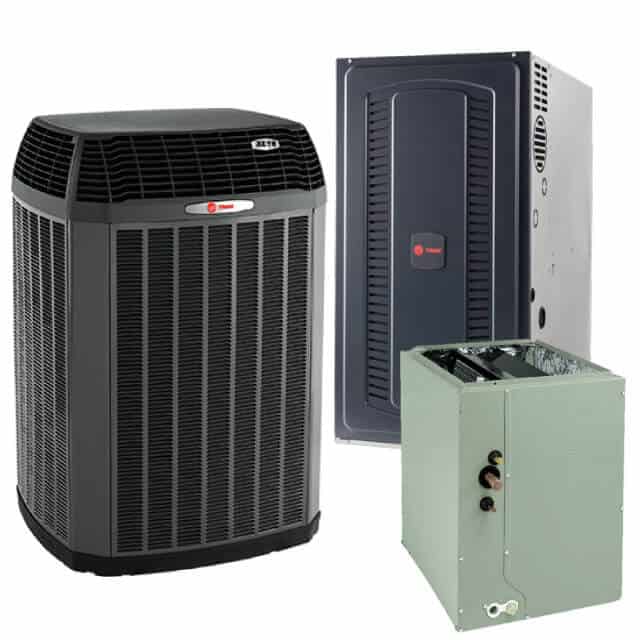
The cooling capacity of an AC unit is measured in tons, where 1 ton is equal to 12,000 BTUs (British Thermal Units) per hour. A 3-ton AC unit has a cooling capacity of 36,000 BTUs. To determine whether this capacity is suitable for your space, you need to calculate the cooling load.
Cooling Load Calculation Method
The most widely accepted method for calculating cooling loads is Manual J, developed by the Air Conditioning Contractors of America (ACCA). Here’s a simplified version of how to calculate your cooling load:
- Measure the Square Footage: Measure the total square footage of your home.
- Determine Insulation Quality: Assess your home’s insulation quality (poor, average, good).
- Account for Windows and Doors: Calculate the area of windows and doors, and determine their orientation (south-facing, north-facing, etc.).
- Consider Heat-Generating Appliances: Identify appliances that generate heat, such as ovens and computers.
- Account for Occupants: Add BTUs for each person in the home (typically around 400 BTUs per person).
The total of these calculations will give you the required BTUs for your home. If the total is around 36,000 BTUs, a 3-ton AC unit would be appropriate.
Calculating Heating Loads for a 3 Ton Furnace
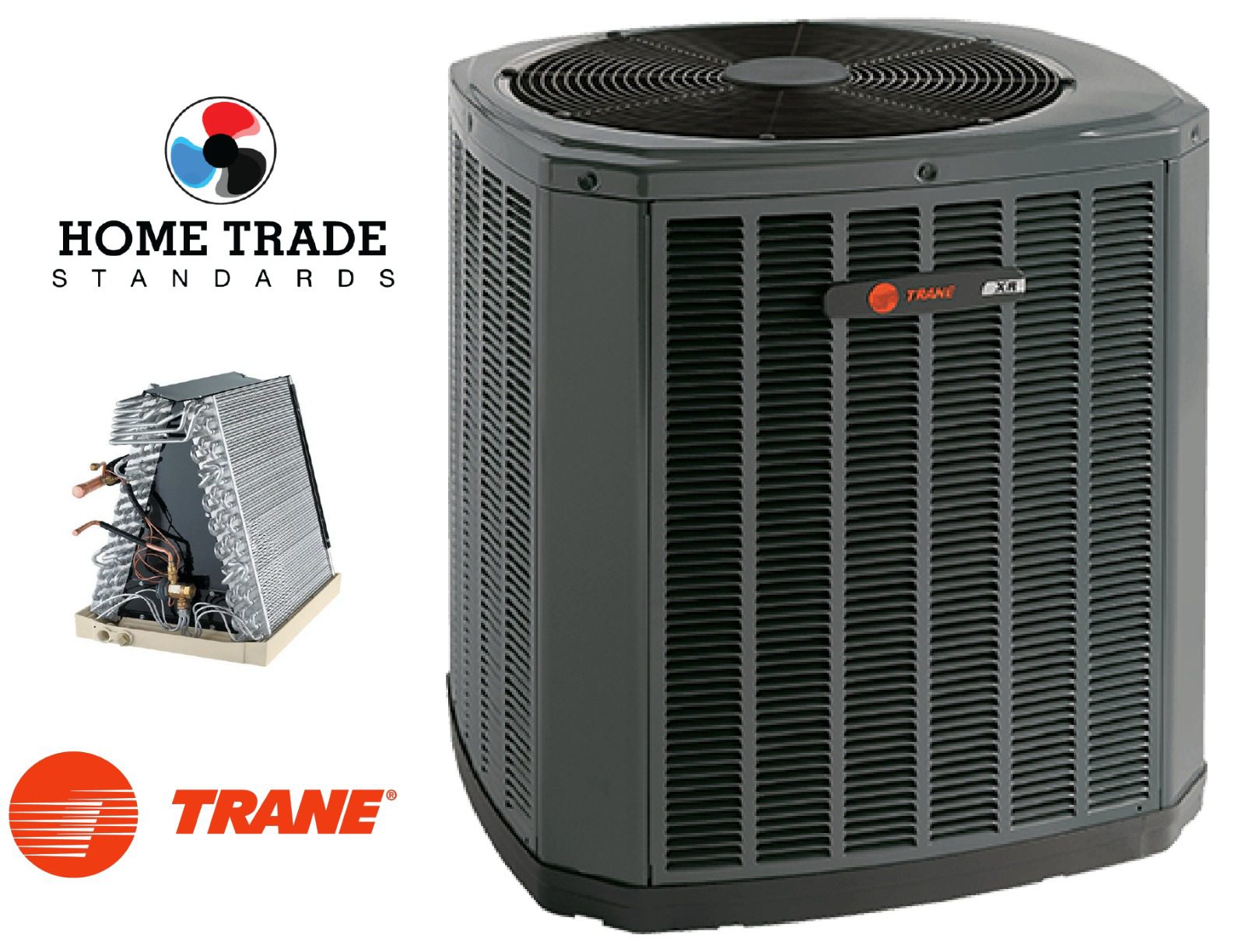
Like cooling loads, heating loads must also be calculated to determine the appropriate furnace size. For heating, the BTU measurement indicates how much heat is needed to keep your home warm in cold weather.
Heating Load Calculation Method

To calculate the heating load, you can also use the Manual J method, which involves:
- Measure the Square Footage: Similar to the cooling load, measure the total square footage.
- Assess Insulation Quality: Determine the insulation’s effectiveness in retaining heat.
- Identify Air Leakage: Inspect windows, doors, and other areas for drafts and leaks.
- Consider Local Climate: Factor in the average winter temperatures in your region.
- Account for Heat Sources: Include heat generated from appliances and occupants.
Once you have the total BTUs needed for heating, you can select a furnace that matches or slightly exceeds this requirement.
Common Sizing Mistakes to Avoid
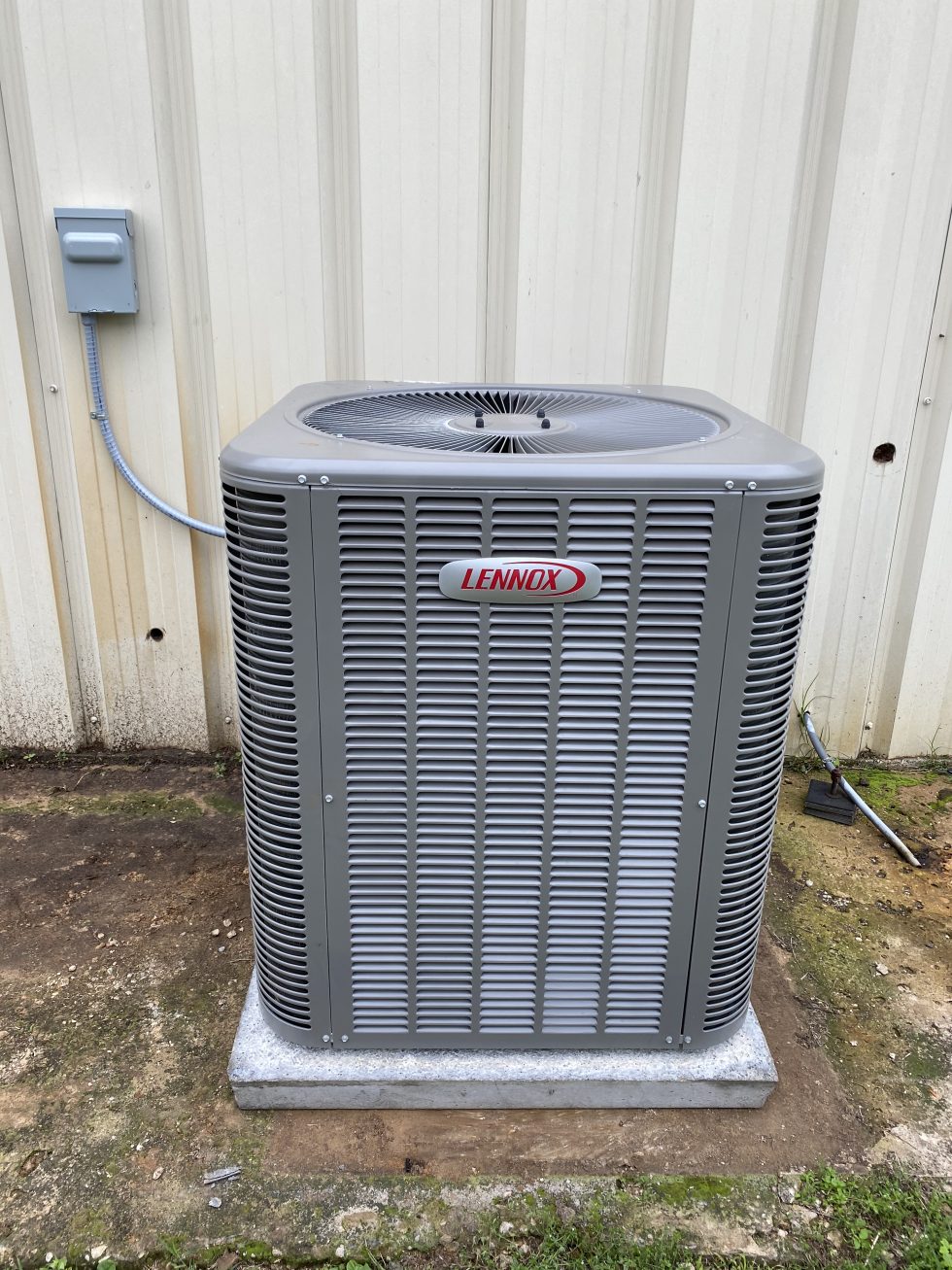
Improper sizing can lead to several issues. Here are common mistakes to avoid:
- Skipping Manual Calculations: Relying solely on rule-of-thumb estimates can lead to incorrect sizing.
- Ignoring Insulation Quality: Homes with poor insulation require larger systems for adequate performance.
- Overlooking Windows and Doors: Failing to account for windows can lead to underperformance, particularly in extreme weather.
- Not Considering Local Climate: Different climates require different BTU outputs for effective heating and cooling.
Case Study: Importance of Proper Sizing
Consider the example of a family living in a 2,000 square foot home in a moderate climate. They initially installed a 4-ton AC unit, believing it would provide better cooling. However, they noticed that the system frequently cycled on and off, leading to temperature fluctuations and high energy bills.
After conducting a Manual J calculation, they found that their actual cooling load was only 30,000 BTUs, making a 3-ton unit the ideal choice. Upon switching to the correctly sized unit, the family experienced consistent temperatures, lower energy costs, and improved comfort levels.
Conclusion: The Key to Optimal Performance

Properly sizing your 3-ton AC and furnace is essential for maximizing performance, comfort, and energy efficiency. By understanding the factors that influence heating and cooling loads and following a systematic calculation approach, homeowners can make informed decisions about their HVAC systems. Remember to avoid common sizing mistakes and consider the specific characteristics of your home and local climate.
In summary, accurate sizing leads to:
- Enhanced energy efficiency
- Improved occupant comfort
- Extended equipment lifespan
- Reduced environmental impact
Taking the time to properly size your HVAC systems will pay off in the long run, ensuring a comfortable and energy-efficient living space for years to come.
