When it comes to kitchen utensils, the salad tosser spoon is often overlooked. However, this simple tool plays a crucial role in creating delicious and well-mixed salads. Caring for your salad tosser spoon can greatly extend its lifespan and maintain its functionality. In this article, we will explore effective methods for cleaning, storing, and maintaining your salad tosser spoon, ensuring it remains a staple in your kitchen for many years to come.
Understanding the Materials
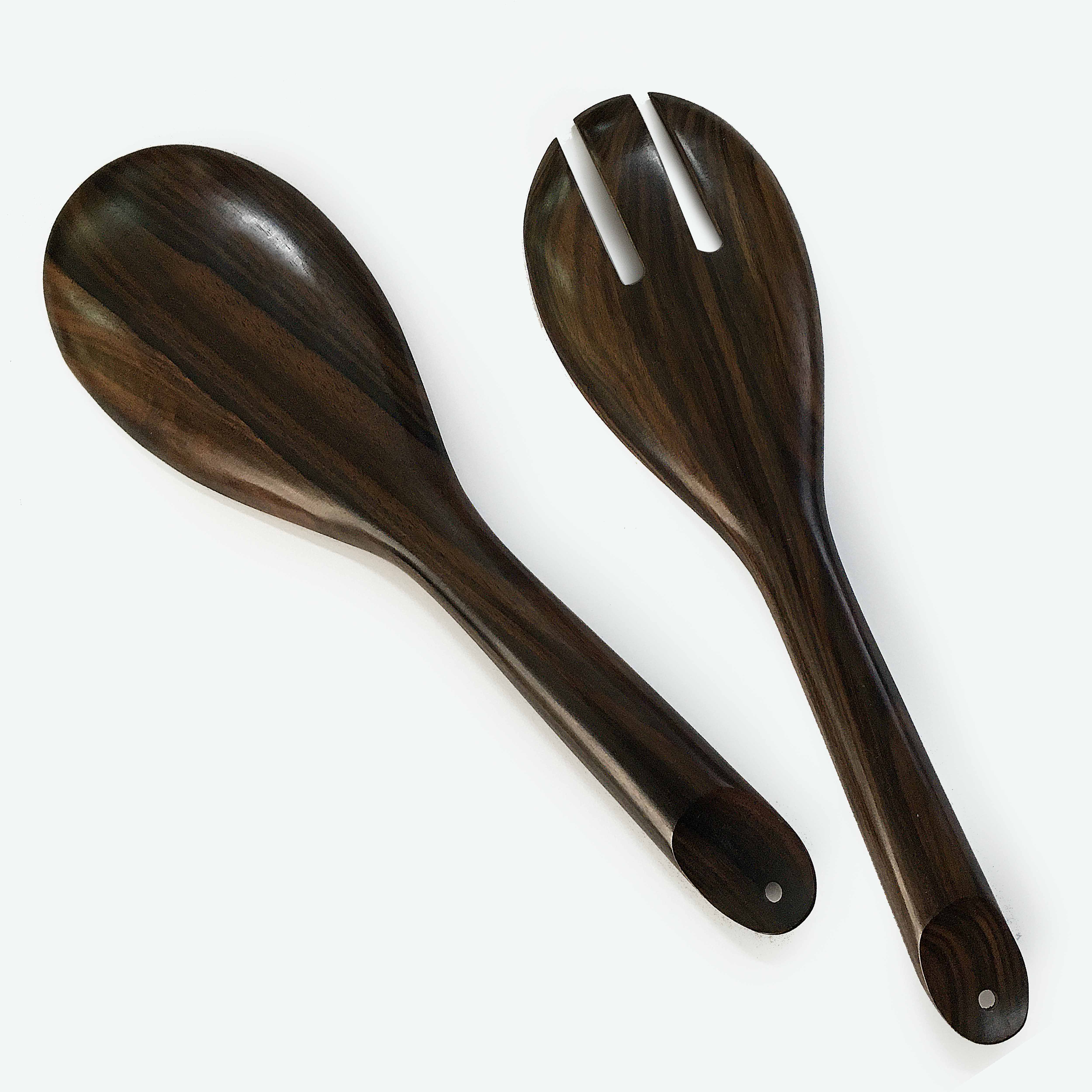
Salad tosser spoons come in various materials, each requiring different care techniques. Understanding the material of your spoon is the first step in proper maintenance.
- Wood: Wooden spoons are popular for their aesthetic appeal and durability. However, they can absorb moisture and odors, which requires special care.
- Plastic: Lightweight and often dishwasher-safe, plastic spoons are easy to care for but may warp over time if exposed to high heat.
- Stainless Steel: Known for its durability and resistance to stains, stainless steel spoons are easy to clean and maintain but may scratch if not handled properly.
- Bamboo: A sustainable option, bamboo spoons are lightweight and less prone to cracking, but they require regular oiling to maintain their integrity.
Cleaning Your Salad Tosser Spoon
Cleaning is one of the most crucial aspects of maintaining your salad tosser spoon. Here are some tips for each material type:
1. Wooden Spoons

- Hand wash with warm water and mild soap.
- Avoid soaking in water to prevent warping and cracking.
- Dry immediately with a clean cloth to remove moisture.
- Occasionally, treat with food-grade mineral oil to keep the wood hydrated.
2. Plastic Spoons
- Most plastic spoons are dishwasher safe; however, check the manufacturer’s guidelines.
- For hand washing, use warm soapy water and a sponge.
- Store away from direct sunlight to prevent fading and warping.
3. Stainless Steel Spoons
- These can be washed in the dishwasher or by hand with warm, soapy water.
- Use a soft cloth to dry to prevent water spots.
- For stubborn stains, a mixture of baking soda and water can be effective.
4. Bamboo Spoons
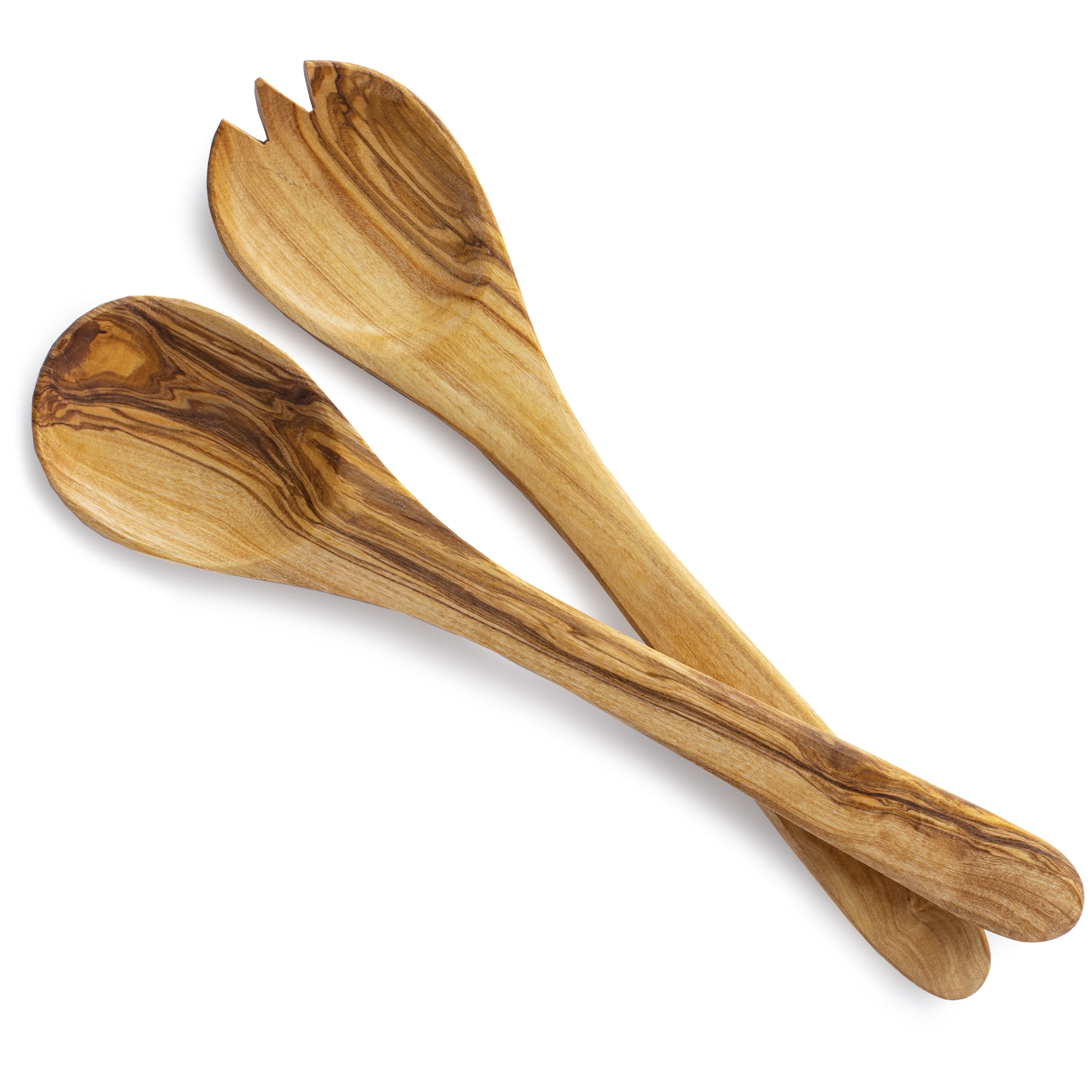
- Hand wash with mild soap and warm water.
- Do not soak or place in the dishwasher.
- Regularly apply food-grade mineral oil to maintain the natural bamboo finish.
Storage Tips for Longevity
How you store your salad tosser spoon can significantly impact its longevity. Follow these storage tips based on the material:
- Wood: Store upright in a utensil holder to avoid accidental damage. Do not store in a drawer where it can get scratched.
- Plastic: Can be stored in a drawer or container; ensure it’s completely dry to prevent mildew.
- Stainless Steel: Store in a drawer or a magnetic strip to keep it scratch-free.
- Bamboo: Similar to wood, store upright to maintain its shape and prevent warping.
Preventing Damage

To ensure the longevity of your salad tosser spoon, it is essential to take preventive measures against potential damage:
- Heat Exposure: Avoid exposing plastic spoons to high heat, such as leaving them near a hot stove or in a hot dishwasher.
- Sharp Objects: Refrain from using metal utensils on non-stick surfaces to prevent scratching.
- Moisture: Ensure your spoons are completely dry before storing to prevent mold and odors.
Case Studies: Longevity Through Care

Let’s explore a couple of case studies that highlight the importance of proper care and maintenance:
Case Study 1: The Wooden Spoon Revival
Maria, a passionate home cook, inherited a wooden salad tosser spoon from her grandmother. Initially, she neglected its care, allowing it to absorb odors and moisture. After a few months, the spoon began to crack. Realizing its sentimental value, Maria researched proper care techniques. She began cleaning it with warm soapy water, drying it immediately, and applying mineral oil weekly. Within weeks, the spoon regained its luster and became a cherished tool in her kitchen once again.
Case Study 2: The Plastic Spoon Dilemma
John purchased a set of colorful plastic salad tossing spoons for his family. However, he often placed them in the dishwasher without checking the heat settings. Over time, the spoons warped and lost their vibrant colors. After replacing the spoons, John committed to hand washing them with mild soap. He also ensured they were stored away from direct sunlight. His new spoons have lasted significantly longer, demonstrating the importance of proper care.
Statistics on Kitchen Utensil Longevity
Understanding the statistics surrounding kitchen utensils can shed light on the importance of proper maintenance:
- According to a survey conducted by the American Kitchenware Institute, 65% of respondents reported that improper cleaning methods shortened the lifespan of their kitchen tools.
- A study by the National Sanitation Foundation found that wooden utensils, when properly cared for, can last up to 10 years longer than their plastic counterparts.
- Research indicates that nearly 40% of kitchen tools are replaced within five years due to neglect and improper care.
Caring for and maintaining your salad tosser spoon is crucial for ensuring its longevity and functionality in your kitchen. By understanding the specific material of your spoon, employing proper cleaning techniques, and following storage guidelines, you can prolong its life significantly. As highlighted by the case studies and statistics, investing time in maintenance can save you money and preserve cherished kitchen tools. Remember, a well-cared-for salad tosser spoon not only enhances your cooking experience but also adds a personal touch to your culinary creations. Embrace these practices, and your salad tosser spoon will serve you well for years to come.
