The Victorian era, spanning from 1837 to 1901, was a period of immense change and growth, characterized by its architectural grandeur and intricate design details. One of the most fascinating aspects of this era is its bathroom designs, particularly sinks. Victorian bathroom sinks are not just functional items; they are masterpieces that reflect the aesthetics, materials, and technological advancements of their time. This article delves into the various styles and materials used in Victorian bathroom sinks, offering a comprehensive look at their evolution and significance.
Understanding Victorian Bathroom Design
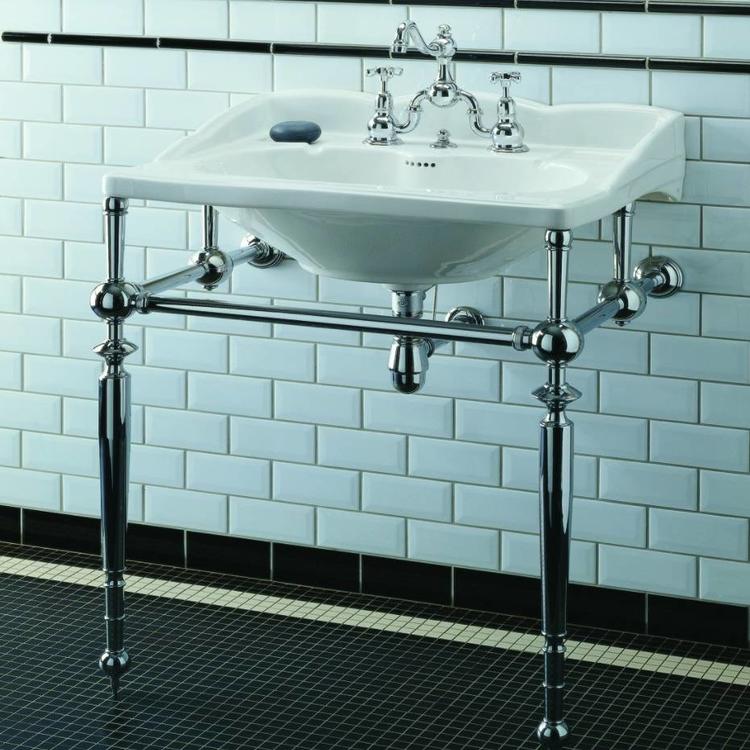
Victorian bathroom design is often marked by its opulence and attention to detail. Bathrooms during this period transitioned from simple utilitarian spaces to luxurious retreats. The sinks from this era showcase a variety of styles and materials, each contributing to the overall aesthetic of Victorian homes.
- Popularity of Indoor Plumbing: The introduction of indoor plumbing in the mid-19th century revolutionized bathroom design, making sinks an essential feature in homes.
- Emphasis on Aesthetics: The Victorian era valued ornamentation, leading to sinks that were not only functional but also decorative.
- Technological Innovations: Advances in plumbing and ceramic manufacturing allowed for more intricate designs and durable materials.
Victorian Sink Styles
Victorian sink designs can be categorized into several distinct styles, each with its own unique characteristics. Let’s explore these styles in detail.
1. Pedestal Sinks
Pedestal sinks became increasingly popular during the Victorian era. These sinks are characterized by their supportive bases that elevate the bowl, creating an elegant look.
- Design: Often made from porcelain or ceramic, these sinks feature smooth, curved lines and can be adorned with intricate patterns.
- Space-Saving: Their design is ideal for smaller bathrooms, as they take up less floor space compared to traditional vanities.
- Examples: Many Victorian homes feature white porcelain pedestal sinks with floral engravings, showcasing both beauty and functionality.
2. Wall-Mounted Sinks

Wall-mounted sinks are another hallmark of Victorian design, emphasizing cleanliness and minimalism.
- Design: These sinks are directly attached to the wall, allowing for easy cleaning of the floor beneath.
- Variety: Available in various shapes and sizes, wall-mounted sinks can be ornate or simple, depending on the homeowner’s preference.
- Historical Context: The practicality of wall-mounted sinks was particularly appreciated in urban settings where space was at a premium.
3. Console Sinks
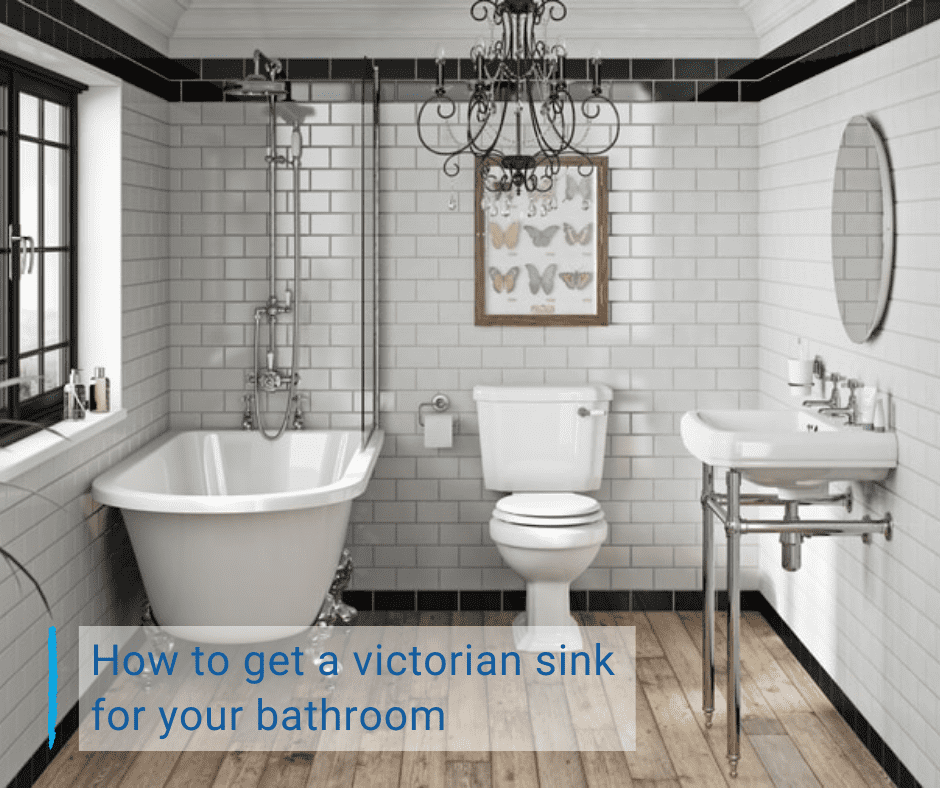
Console sinks combine the elegance of pedestal sinks with the functionality of built-in storage.
- Design: Typically featuring a bowl supported by two side brackets or legs, console sinks provide a stylish yet sturdy option.
- Customization: Homeowners can choose to add shelves or additional supports, allowing for personalized storage solutions.
- Examples: Many console sinks come with decorative faucets and fittings, enhancing their Victorian charm.
Materials Used in Victorian Sinks
The materials used in Victorian bathroom sinks are as diverse as the styles themselves. Understanding these materials helps appreciate the craftsmanship that went into creating these beautiful pieces.
1. Porcelain
Porcelain is perhaps the most iconic material used for Victorian sinks.
- Durability: Known for its strength and resistance to stains, porcelain was ideal for high-use bathroom environments.
- Aesthetics: Its glossy finish and ability to be molded into intricate shapes made it a favorite among designers.
- Case Study: The famous Kohler Company, established in 1873, began producing high-quality porcelain sinks that became synonymous with Victorian design.
2. Cast Iron

Another common material during the Victorian era was cast iron, often coated with porcelain enamel.
- Weight and Stability: Cast iron sinks are heavy and provide a solid feel, making them a popular choice for larger bathrooms.
- Heat Retention: Their ability to retain heat made them ideal for warmer water use.
- Examples: Many antique cast iron sinks can be found in historic homes today, often featuring elaborate designs and patterns.
3. Marble

Marble was often used for countertops and sink surrounds, adding a touch of luxury and elegance.
- Variety: Available in various colors and patterns, marble can complement the overall design of a bathroom.
- Durability: While it can be susceptible to staining, properly sealed marble offers a long-lasting surface.
- Historical Significance: The use of marble in Victorian bathrooms reflected the era’s fascination with classical architecture and opulence.
Trends and Innovations
The Victorian era was also a time of innovation, with various trends emerging in bathroom design, including sinks.
1. The Rise of the Lavatory
As indoor plumbing became standard, the bathroom sink evolved beyond mere functionality to become an integral part of home design.
- Lavish Designs: Sinks began to feature ornate designs, including floral motifs and intricate carvings.
- Health Awareness: The Victorian emphasis on hygiene and health led to the popularity of sinks in private homes.
2. Decorative Faucets and Fittings

The faucets and fittings of Victorian sinks were often as decorative as the sinks themselves.
- Materials: Brass and copper were common materials, often finished with intricate detailing.
- Variety: Faucets came in various styles, from simple lever designs to elaborate, multi-handle systems.
The Enduring Legacy of Victorian Sinks
The impact of Victorian bathroom sink designs continues to resonate in modern bathroom aesthetics. Many contemporary designs draw inspiration from Victorian styles, merging the classic with the modern. As homeowners seek to create vintage-inspired spaces, the charm and elegance of Victorian sinks remain highly sought after.
Conclusion: Embracing the Victorian Elegance
Victorian bathroom sinks epitomize a blend of functionality and artistic expression that defined a remarkable era. From elegant pedestal sinks to luxurious marble countertops, these designs highlight the rich history and craftsmanship of the time. The use of durable materials such as porcelain and cast iron, combined with the ornate styles popular during the Victorian period, ensures these sinks not only serve their purpose but also enhance the aesthetic of any bathroom. As modern homeowners look to incorporate vintage elements into their spaces, the enduring legacy of Victorian sink designs continues to inspire and captivate, making them timeless pieces that will forever hold a place in the heart of bathroom design.
