For decades, the familiar sight of a gas station nozzle has been synonymous with the flow of fuel, a necessary but often overlooked component of our transportation infrastructure. However, as the world grapples with the urgent realities of climate change and seeks to reduce its environmental footprint, even the humble gas nozzle is undergoing a significant transformation. This article delves into the innovative eco-friendly advancements being made in gas station nozzle design, exploring how these seemingly minor modifications are contributing to a more sustainable future for fuel dispensing.
The Environmental Imperative: Why Nozzles Matter
While larger vehicles and industrial processes often capture the spotlight in discussions about carbon emissions, the cumulative impact of fuel evaporation from countless vehicles at gas stations is a tangible environmental concern. During the refueling process, volatile organic compounds (VOCs) – a major component of gasoline – can escape into the atmosphere. These VOCs contribute to:
- Air Pollution: VOCs are precursors to ground-level ozone, a harmful pollutant that can exacerbate respiratory problems and damage ecosystems.
- Climate Change: Some VOCs are greenhouse gases, further contributing to global warming.
- Health Risks: Exposure to VOCs can lead to a range of health issues, including headaches, dizziness, and long-term respiratory and neurological damage.
- Economic Losses: Lost fuel through evaporation represents a direct economic loss for both consumers and fuel providers.
Historically, early refueling systems were rudimentary, with little to no consideration for vapor recovery. This meant that a significant amount of fuel could escape as vapor during every fill-up. The development of more sophisticated nozzle designs has been driven by a combination of regulatory pressure, technological advancements, and a growing awareness of environmental responsibility.
Evolution of the Nozzle: From Simple Spout to Sophisticated System
The journey towards eco-friendly nozzle design can be traced through several key evolutionary stages:
Early Days: The Open-Flow System
In the early days of gasoline-powered vehicles, refueling was a simple and often messy affair. Nozzles were essentially basic spouts designed to direct fuel into the tank. There were no mechanisms to capture escaping vapors, and the environmental impact was largely unaddressed.
The Advent of Vapor Recovery
As the environmental consequences of VOC emissions became apparent, regulations began to emerge mandating vapor recovery systems at gas stations. This led to the development of the first generation of vapor-recovery nozzles. These nozzles typically featured a:
- Secondary Spout or Sleeve: Designed to create a seal with the vehicle’s fill pipe, drawing displaced vapors back into the underground storage tank.
- Pressure-Sensitive Shut-off: A mechanism that stopped the flow of fuel when the tank was nearing capacity, preventing overfilling and further vapor release.
While a significant improvement, these early designs were not always perfectly efficient, and some level of vapor loss could still occur.
The Modern Era: Enhanced Sealing and Control
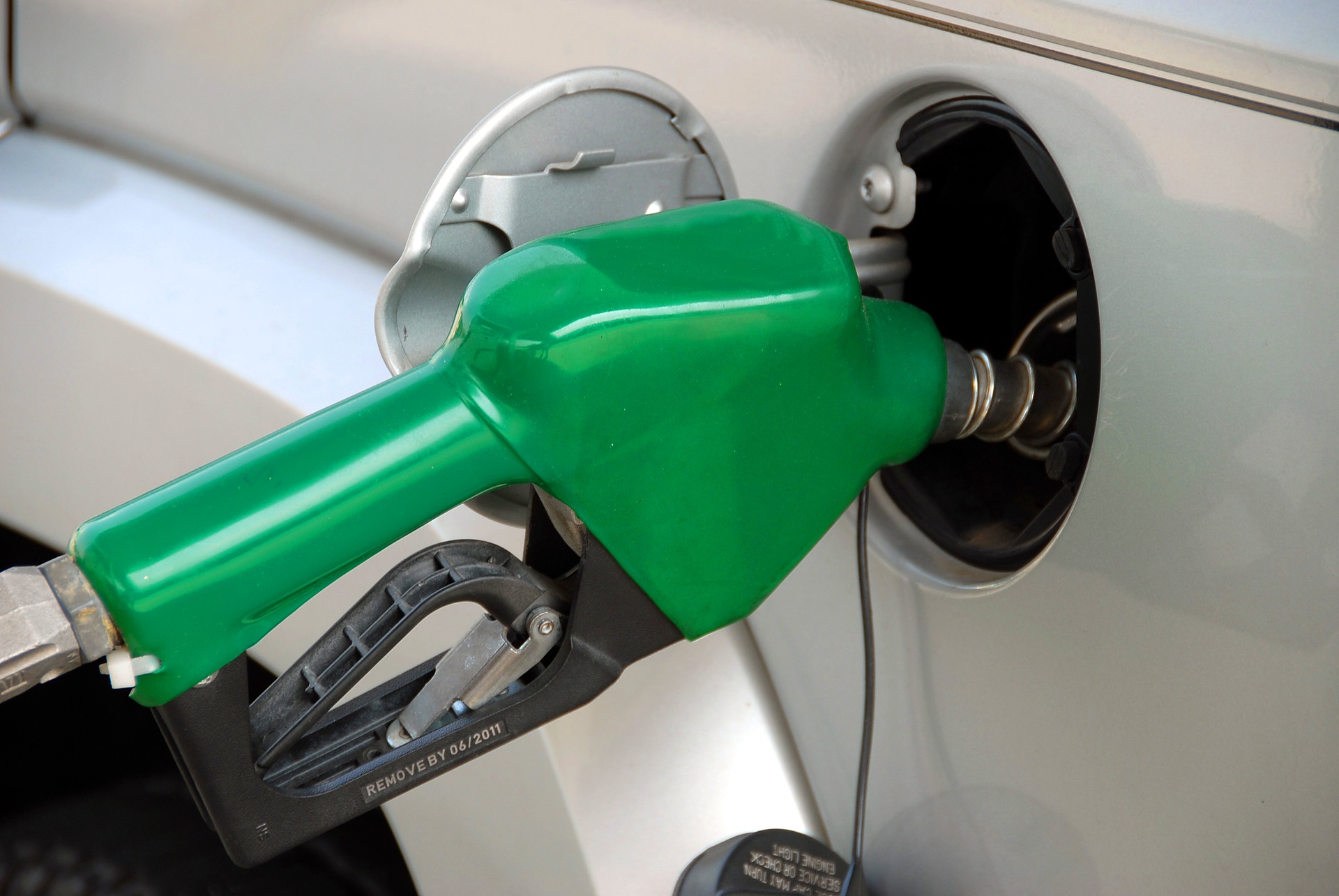
Today’s eco-friendly nozzles represent a significant leap forward in both design and functionality. They are engineered to minimize vapor escape through a multi-pronged approach:
- Improved Nozzle-to-Vehicle Sealing: Advanced nozzle designs incorporate features like:
- Automatic Nozzle Shut-off (ANS): A sophisticated system that senses when the fuel tank is full and automatically shuts off the flow. This is crucial in preventing overfilling and subsequent spills or vapor release.
- Vapor-Evading Shut-off Mechanisms: Nozzles are designed to minimize the “blowback” of vapors when the fuel flow stops.
- Flexible and Durable Boot Seals: The rubber boot at the tip of the nozzle plays a critical role in creating a tight seal with the vehicle’s fill neck. Modern materials are more resilient and designed for a more consistent and effective seal across a variety of vehicle designs.
- Enhanced Vapor Recovery Channels: The pathways for returning displaced vapors are more efficient and often incorporate:
- High-Efficiency Vapor Return Valves: These valves are designed to open and close precisely, ensuring that vapors are efficiently drawn back into the storage system without creating excessive back pressure.
- Integrated Vapor Sensing: Some advanced nozzles can actively sense the vapor pressure within the vehicle’s tank, optimizing the vapor recovery process.
- Material Innovation: The materials used in nozzle construction are also evolving. Manufacturers are exploring:
- Lighter and More Durable Plastics: Reducing the weight and increasing the lifespan of the nozzle.
- Corrosion-Resistant Alloys: Ensuring longevity and preventing leaks.
- Recycled and Recyclable Materials: Contributing to a circular economy where possible.
Case Studies and Real-World Impact
The effectiveness of these eco-friendly innovations can be seen in various real-world scenarios and studies:
The California Experience: A Pioneer in Emission Control
California, with its stringent environmental regulations, has been at the forefront of adopting advanced vapor recovery systems. The California Air Resources Board (CARB) has implemented regulations that mandate high-efficiency vapor recovery nozzles at retail gasoline stations. Studies conducted in California have shown a significant reduction in VOC emissions directly attributable to these nozzle technologies.
For instance, research published by CARB has indicated that modern vapor recovery nozzles can capture upwards of 95% of displaced vapors, a dramatic improvement over older systems.
The Role of the EVR (Enhanced Vapor Recovery) System
Many modern gas stations are equipped with Enhanced Vapor Recovery (EVR) systems, which work in conjunction with advanced nozzles. These systems are designed to be more efficient and less prone to malfunction than older technology. The nozzle is the critical interface between the vehicle and the EVR system, making its design paramount to the overall effectiveness of vapor capture.
Global Adoption and Emerging Markets
While developed nations have led the charge, there is a growing global awareness and adoption of these eco-friendly nozzle designs. As countries worldwide strive to meet their climate commitments, the demand for cleaner fuel dispensing technologies is on the rise. This presents a significant opportunity for innovation and for the widespread implementation of these environmentally conscious solutions.
Beyond Vapor Recovery: Future Frontiers in Nozzle Design
The evolution of gas station nozzles is far from over. As we move towards a more diversified energy landscape, future innovations will likely focus on:
Smart Nozzles and IoT Integration
The integration of the Internet of Things (IoT) could lead to “smart nozzles” that:
- Monitor Fuel Quality: Providing real-time data on the composition of the fuel being dispensed.
- Optimize Dispensing Efficiency: Adjusting flow rates based on sensor feedback to minimize waste and emissions.
- Self-Diagnostic Capabilities: Alerting station operators to any potential issues with the nozzle or vapor recovery system, ensuring optimal performance.
- Data Analytics for Environmental Reporting: Providing granular data on fuel dispensed and vapor recovered for regulatory compliance and environmental impact assessment.
Biofuel and Alternative Fuel Compatibility
As the world transitions to alternative fuels, nozzle designs will need to adapt. This includes developing nozzles compatible with:
- Biodiesel and Ethanol Blends: Ensuring material compatibility and preventing degradation.
- Hydrogen Fueling: Designing specialized nozzles for the safe and efficient dispensing of hydrogen.
- Electric Vehicle Charging Connectors: While not a “gas” nozzle, the design principles of safe, efficient, and user-friendly connectors for EV charging share common ground with the innovation drive seen in fuel nozzles.
User-Centric Design for Reduced Spills

Beyond environmental benefits, nozzle design also plays a role in preventing accidental spills. Innovations such as:
- Ergonomic Grips and Trigger Mechanisms: Making them easier and more comfortable for users to handle, reducing the likelihood of fumbling and spills.
- Clear Visual Indicators: Providing unambiguous feedback on the status of the refueling process.
- Anti-Splash Features: Designing the nozzle tip to minimize fuel splashing during initial insertion and throughout the refueling process.
A Small Component, A Big Impact
The seemingly minor evolution in gas station nozzle design is a testament to the power of innovation in addressing environmental challenges. From the simple spout of yesteryear to the sophisticated, vapor-capturing devices of today, these advancements are making a tangible difference in reducing air pollution and mitigating the impacts of climate change. By focusing on improved sealing, enhanced vapor recovery, and the exploration of smart technologies, the industry is paving the way for a cleaner and more sustainable future for fuel dispensing. These eco-friendly innovations, though often unseen, play a crucial role in our collective effort to protect the planet, demonstrating that even the smallest components can have the biggest impact.
