A fire helmet is more than just protective gear; it’s a symbol of dedication, a shield against danger, and for many firefighters, a canvas for personal expression. Among the most popular customizations is the helmet front, a decorative or functional plate that sits prominently on the brim. While many custom fronts are professionally crafted, a growing number of firefighters are embracing the DIY approach to create unique, personalized, and often more affordable helmet fronts. This article will guide you through the process of creating your own DIY fire helmet front holder, offering a step-by-step approach, material considerations, and tips for achieving a professional finish.
The Appeal of DIY: Why Craft Your Own Helmet Front Holder?
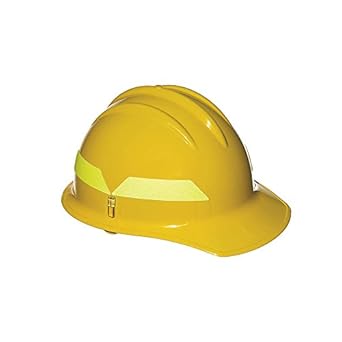
The decision to create a DIY helmet front holder stems from a variety of motivations, all revolving around personalization, cost-effectiveness, and the satisfaction of a hands-on project.
Personalization and Uniqueness

Standard issue helmet fronts can be generic. A DIY approach allows for unparalleled customization. Whether you want to display your department’s logo in a unique way, add personal symbols, or incorporate specialized functionality, the possibilities are limitless. This personal touch transforms a standard piece of equipment into something truly your own.
Cost Savings
Professionally made custom helmet fronts can range from $50 to several hundred dollars, depending on materials and complexity. For many, this is a significant expense. By investing time and a relatively small amount in materials, DIY enthusiasts can create a high-quality product for a fraction of the cost.
Skill Development and Satisfaction
Tackling a DIY project fosters a sense of accomplishment and develops practical crafting skills. For those who enjoy working with their hands, the process of designing, cutting, and assembling a helmet front holder can be incredibly rewarding.
Adaptability and Functionality
Sometimes, the specific needs of a firefighter might not be met by commercially available options. A DIY holder allows for the integration of unique features, such as specialized lighting mounts, specific badge placements, or even custom-sized compartments for essential tools.
Understanding the Anatomy of a Helmet Front Holder
Before diving into the creation process, it’s crucial to understand the basic components and their functions:
- The Base Plate: This is the main body of the front holder, typically a rigid material that attaches to the helmet.
- The Mounting System: This refers to how the base plate securely attaches to the helmet brim. Common methods include screws, rivets, or strong adhesive.
- The Decorative Element/Holder: This is where your custom design or insignia will be affixed. It could be a separate piece or integrated into the base plate.
- Fasteners: Small screws, rivets, or grommets used to secure various parts together.
Materials and Tools: Gathering Your Arsenal
The choice of materials will significantly impact the durability, appearance, and ease of fabrication of your DIY helmet front holder. Here’s a breakdown of common options:
Base Plate Materials:
- Aluminum: Lightweight, durable, and relatively easy to cut and shape. It offers a classic, professional look and can be anodized or painted.
- Brass: Heavier and more expensive than aluminum, brass offers a rich aesthetic and is very durable. It develops a unique patina over time.
- Lexan (Polycarbonate): A strong, clear, or colored plastic that is impact-resistant and can be easily cut and drilled. It’s a good option for those wanting a more modern or translucent look.
- High-Density Plastics (e.g., ABS, PVC sheet): Affordable, easy to work with, and available in various colors. However, they may not offer the same level of durability or aesthetic appeal as metal.
Decorative Element Materials:
- Engraved Metal (Brass, Aluminum, Stainless Steel): Offers a classic and durable finish. Engraving can be done professionally or with specialized DIY tools.
- Enameled Insignias: These are often purchased pre-made and then affixed to the DIY holder.
- 3D-Printed Components: Modern 3D printing technology allows for intricate designs and custom shapes, offering a highly personalized touch.
- Resin Castings: Can be used to create intricate designs, badges, or even embed small objects.
Tools You’ll Need:

- Measuring Tools: Tape measure, ruler, calipers (for precision).
- Cutting Tools: Hacksaw, jigsaw with appropriate metal or plastic blades, Dremel rotary tool with cutting discs, tin snips (for thin metal).
- Drilling Tools: Drill press or hand drill, drill bits of various sizes (including pilot bits for metal).
- Shaping and Finishing Tools: Files (metal and wood), sandpaper (various grits), polishing compounds, deburring tool.
- Fastening Tools: Screwdriver set, rivet gun (if using rivets), pliers.
- Adhesives: Strong epoxy, industrial-strength double-sided tape (ensure suitability for outdoor/harsh conditions).
- Safety Gear: Safety glasses, gloves, ear protection, dust mask.
Step-by-Step Guide to Creating Your DIY Fire Helmet Front Holder

This guide assumes you are creating a relatively simple, flat base plate with a mounted decorative element. Adapt these steps based on your chosen materials and design complexity.
Step 1: Design and Measurement
This is arguably the most crucial step. Accuracy here will prevent frustration later.
- Measure Your Helmet: Carefully measure the dimensions of the area on your helmet brim where the front holder will be attached. Pay close attention to the curvature of the brim.
- Sketch Your Design: Draw out your desired front holder. Consider the overall shape, the size of the decorative element, and how it will be attached. If you’re incorporating a pre-made badge, measure its dimensions carefully.
- Template Creation: Transfer your design onto a piece of sturdy cardstock or thin cardboard. This template will allow you to test the fit on your helmet and make adjustments before cutting into your primary material. Ensure the template has the correct curvature to match your helmet’s brim.
Step 2: Cutting the Base Plate
Once you’re satisfied with your template, it’s time to cut your chosen base material.
- Transfer Template: Trace the template onto your base material (aluminum, Lexan, plastic sheet, etc.).
- Secure Material: Clamp the material firmly to your workbench to prevent it from shifting during cutting.
- Cut with Precision:
- For Metals: Use a hacksaw, jigsaw with a metal blade, or a Dremel with a cutting disc. For thinner metals, tin snips can also be effective. Make slow, controlled cuts.
- For Plastics: A jigsaw with a plastic blade or a Dremel tool works well. Ensure you use appropriate speeds to avoid melting the plastic.
- Smooth Edges: After cutting, use files and sandpaper to smooth all edges. This is important for safety and aesthetics. A deburring tool is excellent for removing sharp edges on metal.
Step 3: Shaping for Helmet Fit (If Necessary)
Many helmet brims have a curve. Your front holder needs to conform to this.
- Gentle Bending: For thin metals like aluminum, you might be able to gently bend the base plate to match the helmet’s brim. Do this gradually, using a soft mallet or your hands, and check the fit frequently. For Lexan or thicker plastics, this may be more challenging without heat.
- Heat Shaping (for Plastics): For Lexan or similar plastics, you can sometimes use a heat gun to gently soften and shape the material. Exercise extreme caution to avoid overheating or burning the plastic. Always work in a well-ventilated area.
Step 4: Creating the Mounting Holes
This is how your new front holder will attach to the helmet.
- Mark Hole Positions: With the base plate test-fitted on your helmet, mark the precise locations where you’ll drill holes for attachment. Often, these align with existing holes on the helmet or can be strategically placed to distribute stress.
- Drill Pilot Holes: Start with a small pilot drill bit to create a starting point, especially when drilling into metal.
- Drill Final Holes: Use the appropriate drill bit size for your chosen fasteners (screws or rivets). Ensure the holes are perpendicular to the surface.
Step 5: Attaching the Decorative Element
This is where your custom design comes to life.
- Placement: Position your decorative element (engraved plate, badge, 3D print) onto the base plate. Ensure it’s centered and aligned as desired.
- Attachment Methods:
- Small Screws/Rivets: If your decorative element has pre-drilled holes, you can use small screws or rivets to attach it to the base plate.
- Strong Adhesive: For certain materials, high-strength epoxy or industrial double-sided tape can be effective. Ensure the adhesive is suitable for the intended environment and materials.
- Integrated Design: If you’re creating a single piece with integrated design elements (e.g., laser-cut letters), this step may not be necessary.
Step 6: Finishing and Detailing

The final touches make a big difference.
- Sanding and Polishing: Further refine any rough edges with sandpaper. For metallic finishes, use polishing compounds to achieve a desired sheen.
- Painting/Coating: If you’re painting your front holder, use a primer designed for your chosen material and a durable topcoat (e.g., high-quality spray paint for metals or plastics). Consider a clear coat for added protection.
- Sealing: For painted surfaces or to protect natural finishes, a clear sealant can add durability and a professional look.
Step 7: Attaching to the Helmet
The moment of truth!
- Test Fit: Ensure the holes on your finished front holder align perfectly with the mounting points on your helmet.
- Secure Fasteners: Use the appropriate screws, nuts, washers, or rivets to securely attach the front holder to your helmet brim. Tighten them firmly but avoid over-tightening, which can damage the helmet or the holder.
Case Study: The Tactical Front Holder
Firefighter John, a member of a busy urban department, found himself needing a more functional helmet front. Standard fronts offered no way to easily mount a small, high-intensity LED light for close-quarters work in dark attics or crawl spaces. He decided to create his own. John opted for a durable, black-anodized aluminum base plate. He designed a custom template that incorporated a small, precisely sized cutout and mounting holes for his preferred compact LED light, alongside a space for his department’s shield. Using a jigsaw and files, he cut and shaped the aluminum. He then drilled mounting holes for the base plate to attach to his helmet and smaller holes for the light’s mounting bracket. The result was a sleek, functional helmet front that not only looked professional but significantly improved his ability to work safely in low-light conditions.
Tips for Success and Common Pitfalls to Avoid
Even with a detailed guide, a few extra pointers can elevate your DIY project:
- Start Simple: If this is your first DIY project, begin with a basic design. You can always tackle more complex ideas later.
- Patience is Key: Rushing the process often leads to mistakes. Take your time with each step, especially cutting and shaping.
- Prioritize Safety: Always wear appropriate safety gear. Work in a well-ventilated area, especially when cutting or using adhesives/paints.
- Test Fit Regularly: Don’t wait until the end to see if it fits. Constantly check the fit of your components against your helmet.
- Material Compatibility: Ensure the materials you choose are compatible with each other and with the demands of firefighting environments (heat, impact, moisture).
- Don’t Compromise Safety Features: Your DIY front holder should never impede the primary safety functions of your helmet. Ensure it doesn’t obstruct your vision or compromise the helmet’s structural integrity.
- Research Regulations: Some fire departments have specific regulations regarding helmet modifications. Ensure your DIY project complies with these.
Crafting Your Identity, One Front Holder at a Time
Creating a DIY fire helmet front holder is a rewarding endeavor that allows firefighters to express their individuality, enhance functionality, and save money. By following these steps, carefully selecting your materials, and prioritizing safety and precision, you can craft a unique and functional addition to your most important piece of gear. Whether it’s a subtle design tweak or a completely custom solution, the satisfaction of a well-made DIY helmet front holder is a testament to the ingenuity and dedication of the firefighting community.
