The familiar click, the gentle hum, and the comforting aroma of gasoline – these are the sensory hallmarks of visiting a gas station. For most of us, the process of refueling our vehicles is a routine affair, performed with little thought beyond the cost per gallon. However, lurking within this everyday interaction are a surprising number of misconceptions about the very tool that delivers the lifeblood to our engines: the gas station nozzle. These seemingly simple devices are, in fact, sophisticated pieces of engineering designed for safety, efficiency, and environmental protection. This article aims to dismantle some of the most pervasive myths surrounding gas station nozzles, offering a clearer understanding of their operation and importance.
The Illusion of Simplicity: What Really Happens When You Pump Gas?
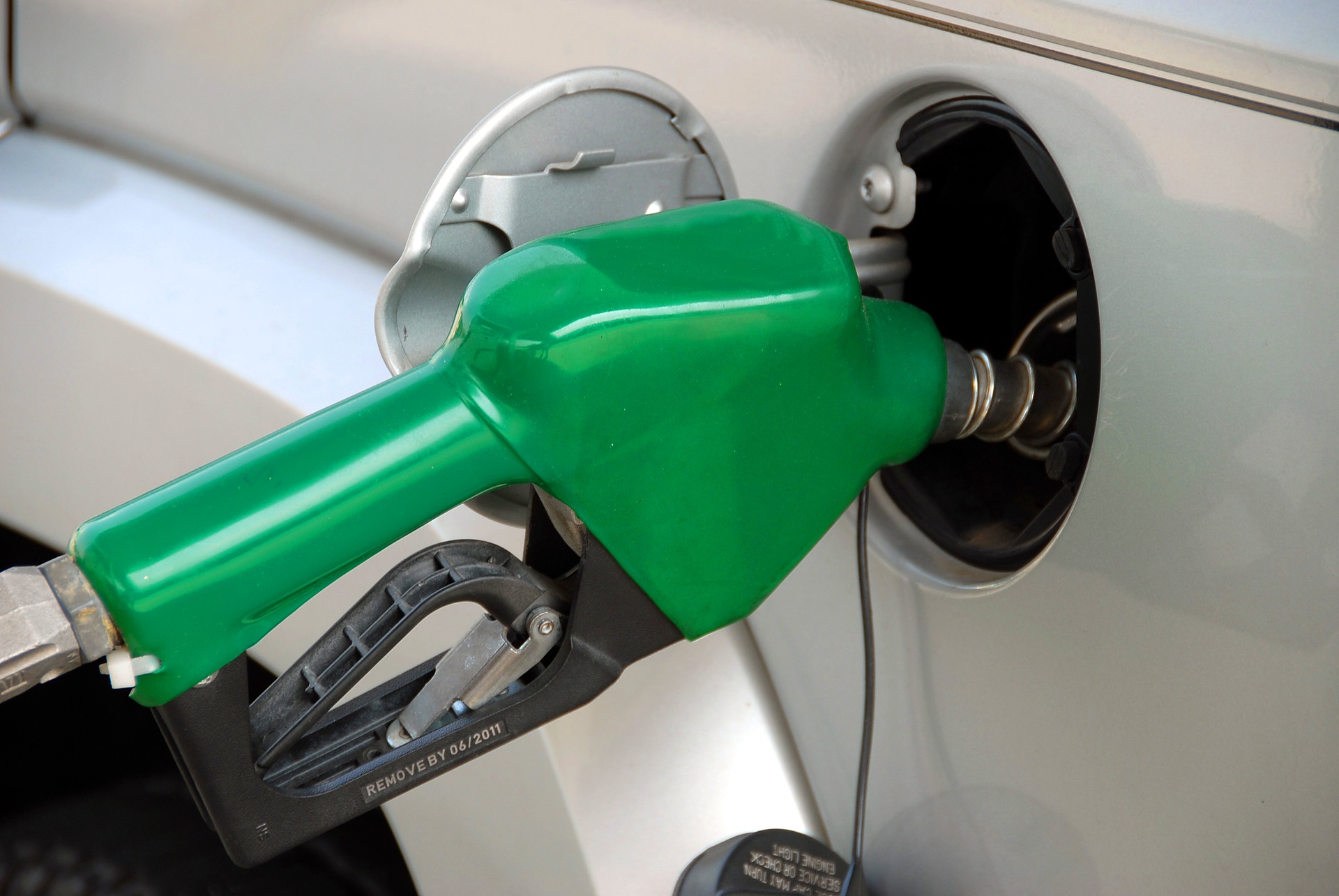
At first glance, a gas station nozzle appears straightforward: a handle, a spout, and a trigger. Yet, behind this apparent simplicity lies a complex system involving pressure regulation, vapor recovery, and automatic shut-off mechanisms. Understanding these components is crucial to dispelling common myths.
Myth #1: “The nozzle is just a fancy hose.”
This is perhaps the most fundamental misconception. While it is connected to a hose, the nozzle itself is far more than a conduit. It’s a precisely engineered device that plays a critical role in the refueling process. Key features include:
- Automatic Shut-Off Valve: This is the most critical safety feature. When the fuel level in your tank reaches the top, the rising fuel pushes a sensor in the nozzle, triggering a mechanism that instantly stops the flow of gasoline. This prevents overfilling and spills.
- Vapor Recovery System: Modern nozzles are equipped with a vapor recovery system. As fuel is pumped into your tank, it displaces gasoline vapors. Instead of releasing these harmful volatile organic compounds (VOCs) into the atmosphere, the nozzle captures them and sends them back to underground storage tanks, reducing air pollution.
- Flow Control: The trigger mechanism is not just an on/off switch. It allows for variable flow rates, enabling you to control the speed at which fuel enters your tank.
- Anti-Siphon Features: Many nozzles incorporate features to prevent fuel siphoning, a security measure against theft.
The intricate design of the nozzle ensures that refueling is not only convenient but also remarkably safe and environmentally conscious. Consider the sheer volume of fuel dispensed daily across the globe; without these sophisticated nozzles, the potential for accidents and pollution would be astronomical.
Myth #2: “If the nozzle clicks off, I can just squeeze the trigger again to top it off.”
This is a common temptation, especially when trying to “get your money’s worth” or reach a specific dollar amount. However, repeatedly squeezing the trigger after the automatic shut-off has engaged is strongly discouraged. Here’s why:
- It defeats the purpose of the shut-off: The shut-off mechanism engages because your fuel tank is full. Forcing more fuel in can lead to
- Damage to your vehicle’s emissions system: Modern vehicles have complex evaporative emission control (EVAP) systems designed to capture fuel vapors. Overfilling can saturate the charcoal canister, a key component of this system, leading to expensive repairs.
- Increased risk of spills: Even if you don’t immediately see a spill, the excess fuel can slosh around and eventually leak out, posing a fire hazard and environmental risk.
While a brief re-squeeze might be acceptable in some older vehicles or specific circumstances, it’s best practice to avoid it altogether. The nozzle’s shut-off is a clear signal that your tank is full.
The Science of Safety: Understanding Vapor Recovery and Its Importance
The environmental aspect of gas station nozzles is often overlooked, yet it’s a crucial innovation in reducing air pollution. The vapor recovery system is a testament to engineering designed for a greater good.
Myth #3: “Vapor recovery systems are ineffective and just a marketing gimmick.”

This couldn’t be further from the truth. Vapor recovery systems have proven to be highly effective in reducing the release of VOCs, which are a significant contributor to ground-level ozone and smog. According to the U.S. Environmental Protection Agency (EPA), vapor recovery systems can reduce emissions by as much as 95%.
The mechanism works by creating a closed-loop system. As fuel is pumped into your vehicle, it pushes vapors out of the tank. These vapors travel through a separate channel within the nozzle and hose, returning to the underground storage tank. This not only protects the environment but also conserves valuable fuel that would otherwise be lost to the atmosphere.
A case study from California, a state with stringent air quality regulations, highlights the impact of vapor recovery. Before the widespread implementation of vapor recovery systems, smog was a perennial problem. Studies have shown a significant decrease in VOC emissions from gasoline dispensing facilities since these systems became mandatory.
Myth #4: “The little rubber flap inside the nozzle is just for show.”

That small, often unassuming rubber flap, usually located at the tip of the nozzle spout, plays a vital role in the vapor recovery process. This flap acts as a seal, creating a more effective connection with the fuel filler neck of your vehicle. When the nozzle is inserted and the trigger is pulled, the flap compresses, forming a tight seal that prevents fuel vapors from escaping during the refueling process.
Without this seal, the vapor recovery system would be significantly less efficient, allowing a substantial amount of VOCs to escape into the atmosphere. It’s a simple yet ingenious design element that contributes to the overall effectiveness of the system.
Beyond the Basics: Advanced Nozzle Features and Their Purpose

While automatic shut-off and vapor recovery are standard, many modern nozzles boast additional features designed to enhance user experience and safety.
Myth #5: “The different colored handles on nozzles mean different grades of fuel.”

This is a common misconception that can lead to confusion and, in some cases, the wrong fuel being selected. While color coding can vary by region and brand, there is no universal standard. The color of the handle on a gas station nozzle **does not** reliably indicate the octane rating or type of fuel. The definitive way to identify the correct fuel is to read the labels on the pump island itself, which clearly state the octane levels (e.g., Regular 87, Mid-Grade 89, Premium 93) and fuel types (e.g., Unleaded, Diesel).
Misinterpreting handle colors can lead to drivers accidentally filling their vehicles with the wrong type of fuel, which can cause engine damage. Always rely on the clearly marked labels on the pump to make the correct choice.
Myth #6: “That ‘click’ when the nozzle is inserted means it’s properly seated.”
While a click can indicate that the nozzle is inserted, it doesn’t always guarantee a perfect seal for optimal vapor recovery or a fully engaged automatic shut-off. The nozzle needs to be inserted firmly and at the correct angle to ensure that the internal mechanisms, particularly the vapor recovery boot and the fuel level sensor, are properly engaged. Sometimes, a slight adjustment to the nozzle’s position can ensure a more secure fit.
Similarly, the “click” you hear when you pull the trigger is the pump starting. The automatic shut-off “click” is distinct and signals the cessation of fuel flow. It’s important to distinguish between these sounds and ensure the nozzle is properly seated before and during refueling.
A Deeper Appreciation for Everyday Technology
The humble gas station nozzle, often taken for granted, is a marvel of engineering. By debunking these common misconceptions, we gain a newfound appreciation for the intricate systems that ensure our safety, protect our environment, and make the everyday act of refueling so efficient. From the life-saving automatic shut-off to the pollution-reducing vapor recovery system, these nozzles are more than just dispensing tools; they are integral components of a responsible energy infrastructure. The next time you pull up to the pump, take a moment to acknowledge the sophistication that lies within that familiar nozzle – it’s a testament to human ingenuity at work.
