In the bustling infrastructure of modern society, an intricate, often unseen, network of underground utilities forms the lifeblood of our communities. From the power lines that light our homes to the water pipes that quench our thirst and the communication cables that connect us, these vital conduits are buried beneath our feet. The importance of accurately identifying and locating these buried assets cannot be overstated. Accidental strikes on utility lines can lead to catastrophic consequences, including service disruptions, extensive property damage, personal injury, and even fatalities. This is where utility line locators, also known as pipe and cable locators, become indispensable tools.
Choosing the right utility line locator is not a one-size-fits-all decision. The vast array of technologies, features, and price points available can be overwhelming. This comprehensive guide aims to demystify the selection process, empowering you to make an informed choice that aligns with your specific needs, budget, and the nature of your work. We will delve into the core principles of utility line locating, explore the different types of locators, discuss key features to consider, and provide practical advice for making the optimal investment.
Understanding the Fundamentals: How Utility Line Locators Work
At its core, utility line locating relies on the principle of electromagnetism. Most underground utilities possess conductive properties, either inherent or induced. A utility line locator system typically comprises two main components:
- A Transmitter (or Inducer): This device generates an electrical current or signal and applies it to the target utility line. This can be achieved through direct connection (clamping onto a conductive pipe or cable), induction (placing the transmitter on the ground above the line), or by utilizing a fault location function on metallic sheath cables.
- A Receiver: This handheld device is designed to detect the electromagnetic field generated by the transmitter. By sweeping the receiver across the ground, operators can identify the peak signal, which corresponds to the location of the buried utility.
The strength and frequency of the transmitted signal, along with the conductivity of the utility and the surrounding soil conditions, all play a role in the effectiveness of the locating process. Different types of utilities require different locating methods. For example, metallic pipes are easily detected, while plastic pipes or conduits carrying fiber optic cables often require the use of tracer wires or specific locating techniques.
Types of Utility Line Locators: A Spectrum of Technologies
The market offers a diverse range of utility line locators, each catering to specific applications and complexities. Understanding these distinctions is crucial:
1. Electromagnetic Locators (EM Locators)
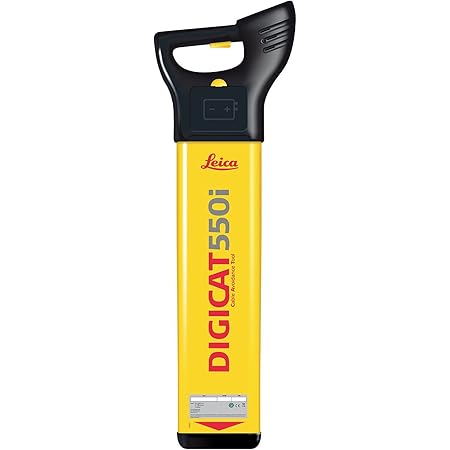
These are the most common and versatile type of utility line locator. They are highly effective for locating metallic utilities like:
- Water pipes (iron, ductile iron, steel)
- Gas lines (steel)
- Power cables (containing metallic conductors)
- Communication cables (copper, coaxial)
EM locators come in various forms, from basic single-frequency models to advanced multi-frequency systems. Multi-frequency locators offer greater flexibility, allowing operators to select the optimal frequency for different utility types and soil conditions, thus improving signal penetration and accuracy.
2. Ground Penetrating Radar (GPR) Locators
GPR is a non-destructive geophysical method that uses radar pulses to image the subsurface. Unlike EM locators, GPR can detect non-metallic utilities such as:
- Plastic water and sewer pipes
- Conduits carrying fiber optic cables
- Septic tanks and leach fields
- Buried foundations and voids
GPR systems are generally more expensive and require a higher level of operator training. However, their ability to locate non-conductive utilities makes them invaluable for comprehensive site investigations. Statistics from the Common Ground Alliance (CGA) consistently highlight the challenges and risks associated with locating non-metallic utilities, underscoring the importance of GPR in certain scenarios.
3. Smart/Integrated Locators
These advanced systems often combine EM and GPR technologies, or integrate GPS and data logging capabilities. They are designed for enhanced precision, efficiency, and data management. Some smart locators can even differentiate between multiple utilities in close proximity and provide depth estimations.
4. Specialty Locators

Beyond the mainstream, specialized locators exist for specific tasks:
- Sewer and Drain Locators: These often use sonde transmitters that can be inserted into pipes to trace their path, even through bends and blockages.
- Leak Detectors: While not strictly line locators, some advanced systems incorporate leak detection capabilities, allowing for simultaneous identification of leaks and utility lines.
Key Features to Consider When Choosing Your Locator
Once you understand the different types, it’s time to evaluate specific features that will influence your decision:
1. Frequency Options
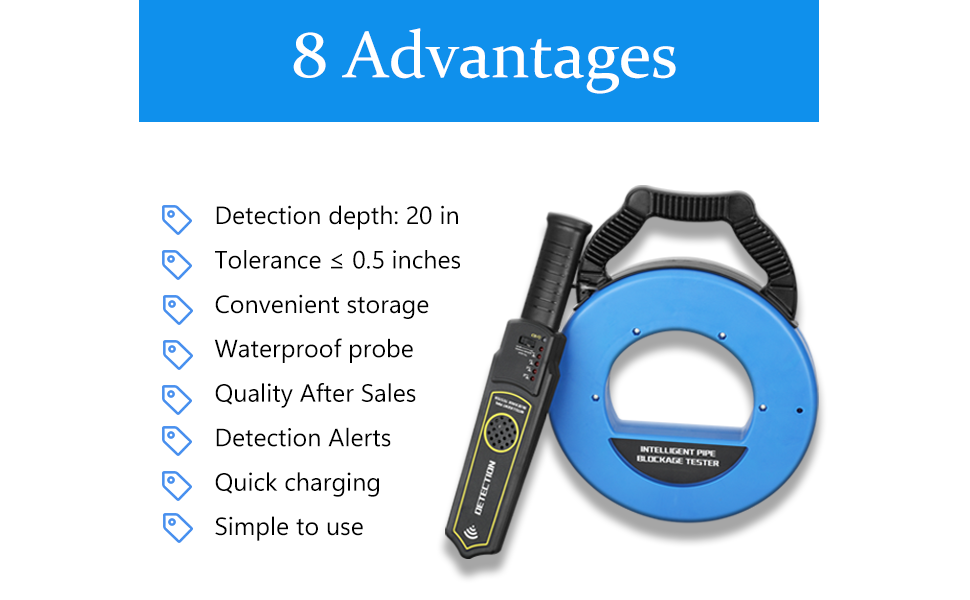
As mentioned, multi-frequency locators offer a significant advantage. Common frequencies include:
- Low Frequencies (e.g., 50/60 Hz): Excellent for tracing energized power lines and can penetrate deeper into the ground.
- Medium Frequencies (e.g., 8 kHz to 1 kHz): Versatile for a wide range of metallic utilities.
- High Frequencies (e.g., 33 kHz and above): Effective for tracing smaller conductors and for induction methods.
The ability to switch between frequencies allows you to adapt to varying utility types and soil conditions, maximizing signal strength and accuracy.
2. Power Output and Signal Strength

A more powerful transmitter can project a stronger signal, which is crucial for tracing utilities over longer distances or in areas with high electromagnetic interference. Consider the typical depth and length of the utilities you expect to encounter.
3. Depth and Accuracy Capabilities
Reputable manufacturers will provide specifications regarding the depth at which their locators can accurately detect utilities. For most applications, a depth capability of 10-15 feet is sufficient. Accuracy is paramount, and a good locator should provide precise readings to avoid costly errors. Look for locators that offer features like multi-antenna reception for improved directional accuracy.
4. Ease of Use and Ergonomics
Your field technicians will be using these devices for extended periods. Therefore, consider:
- User Interface: Is it intuitive and easy to navigate?
- Display: Is it clear and readable in various lighting conditions?
- Weight and Balance: Is the unit comfortable to carry and operate?
- Durability: Is it built to withstand the rigors of a construction site?
A well-designed locator that is comfortable to use will lead to less fatigue and fewer operational errors.
5. Data Logging and GPS Integration
For projects requiring detailed record-keeping, locators with data logging and GPS capabilities are invaluable. They can automatically record the location, depth, and time of detected utilities, creating digital maps and reports that can be integrated into project management software. This is particularly beneficial for utility companies, surveying firms, and large construction projects.
6. Connectivity and Software
The ability to transfer data to a computer or cloud-based platform for analysis and reporting is a significant advantage. Some advanced systems come with proprietary software that enhances the functionality and data management capabilities.
7. Environmental Durability
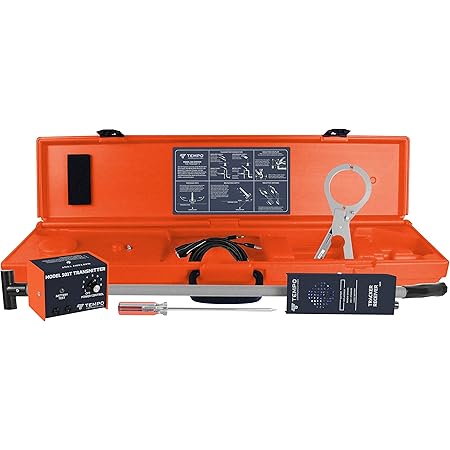
Utility locators are often used in harsh outdoor environments. Ensure the equipment is rated for water and dust resistance (e.g., IP ratings) and can withstand extreme temperatures.
Case Studies and Practical Applications

To illustrate the importance of choosing the right locator, consider these scenarios:
- Scenario 1: Residential Plumbing Repair. A plumber needs to locate a buried copper water line to a house. A single-frequency EM locator would likely suffice for this task, providing a cost-effective solution.
- Scenario 2: New Road Construction. A civil engineering firm is excavating for a new road. They need to identify all buried utilities, including metallic pipes, power cables, and non-metallic conduits for communication. A multi-frequency EM locator, potentially supplemented by a GPR system for non-metallic utilities, would be essential to ensure complete site assessment.
- Scenario 3: Utility Mapping for a City. A municipal utility department needs to create a comprehensive digital map of all underground assets. A smart locator with GPS and data logging capabilities would be ideal, allowing for efficient and accurate data collection for asset management and future planning.
Statistics from the Call 811 service (in the US) consistently show that a significant percentage of underground utility incidents occur due to excavators not calling for locates or due to inadequate locating practices. This underscores the critical role of reliable and appropriate locating equipment.
Making the Investment: Budget and Long-Term Value
Utility line locators range in price from a few hundred dollars for basic models to tens of thousands of dollars for advanced integrated systems. It’s crucial to strike a balance between upfront cost and long-term value:
- Assess Your Needs: Clearly define the types of utilities you encounter most frequently, the typical depths, and the required level of accuracy.
- Consider Total Cost of Ownership: Factor in potential maintenance, calibration, and software update costs.
- Reputation of the Manufacturer: Opt for established brands known for reliability, customer support, and product longevity.
- Rental vs. Purchase: For infrequent use or specialized projects, renting a high-end locator might be more cost-effective than purchasing.
Investing in a quality locator is not just about acquiring a tool; it’s about investing in safety, efficiency, and the avoidance of costly and dangerous mistakes. A well-chosen locator can pay for itself many times over by preventing accidents and ensuring project success.
Navigating the Subsurface with Confidence
Choosing the right utility line locator is a strategic decision that requires careful consideration of your operational requirements, the nature of the underground infrastructure you’ll be working with, and your budget. From fundamental electromagnetic locators to sophisticated GPR and integrated systems, each technology offers unique advantages. By understanding the principles of operation, evaluating key features like frequency options, power output, accuracy, and ease of use, and considering the long-term value of your investment, you can confidently select a tool that will not only enhance your efficiency but, more importantly, safeguard lives and infrastructure. Remember, in the world of buried utilities, precision and reliability are not optional; they are essential. A well-informed choice empowers you to navigate the unseen network beneath our feet with confidence and competence.
