Hawaii is a land rich in culture, history, and tradition. Among its most recognizable symbols are tiki statues, which serve as both artistic representations and guardians of Hawaiian heritage. These intricate carvings, often found in various forms across the Islands, hold significant meaning and reflect the values and beliefs of the Native Hawaiian people. This article delves into the history, cultural significance, and contemporary relevance of tiki statues as integral elements of Hawaiian traditions.
The Historical Context of Tiki Statues
Tiki statues, known as “ki’i,” are carved figures that often represent deities, ancestors, or important cultural symbols. Their origins date back to ancient Polynesian settlers who arrived in Hawaii around 1,500 years ago. These early inhabitants brought with them their artistic traditions, which included carving and sculpting.
Origins and Evolution

The term “tiki” itself is derived from the Maori language, where it refers to a human figure. In Hawaiian culture, these statues evolved to carry specific meanings:
- Deity Representation: Many tiki figures symbolize gods and goddesses, such as Ku (the god of war) and Lono (the god of agriculture).
- Ancestor Worship: Statues often depict ancestors, embodying their spirits and serving as protectors of the lineage.
- Spiritual Guardians: Tiki statues were believed to provide protection to homes, gardens, and communities, ensuring safety and prosperity.
Over centuries, these figures have transformed in style and purpose, adapting to the changing cultural landscape while retaining their deep-rooted significance.
The Symbolism Behind Tiki Statues
Tiki statues are not merely artistic expressions; they embody complex narratives and values within Hawaiian culture. Each carving is unique and imbued with specific meanings based on its features and context.
Design Elements and Their Meanings

The design of tiki statues varies, but certain elements are commonly present:
- Facial Features: Wide eyes and pronounced brows often represent wisdom and vigilance.
- Body Posture: The way a tiki stands (e.g., upright or crouched) can indicate its purpose—whether as a guardian or a representation of a deity.
- Material: Traditionally carved from wood or stone, the choice of material often reflects local resources and artistic practices.
Cultural Narratives Embedded in Tiki Statues

Each tiki tells a story. For instance, the famous “King Kamehameha” statue in Honolulu honors the first king to unify the Hawaiian Islands and serves as a reminder of the islands’ rich royal history. Similarly, tiki statues found in heiaus (Hawaiian temples) are often linked to specific stories of creation or ancestral lineage, reinforcing the connection between the past and the present.
Contemporary Relevance of Tiki Statues
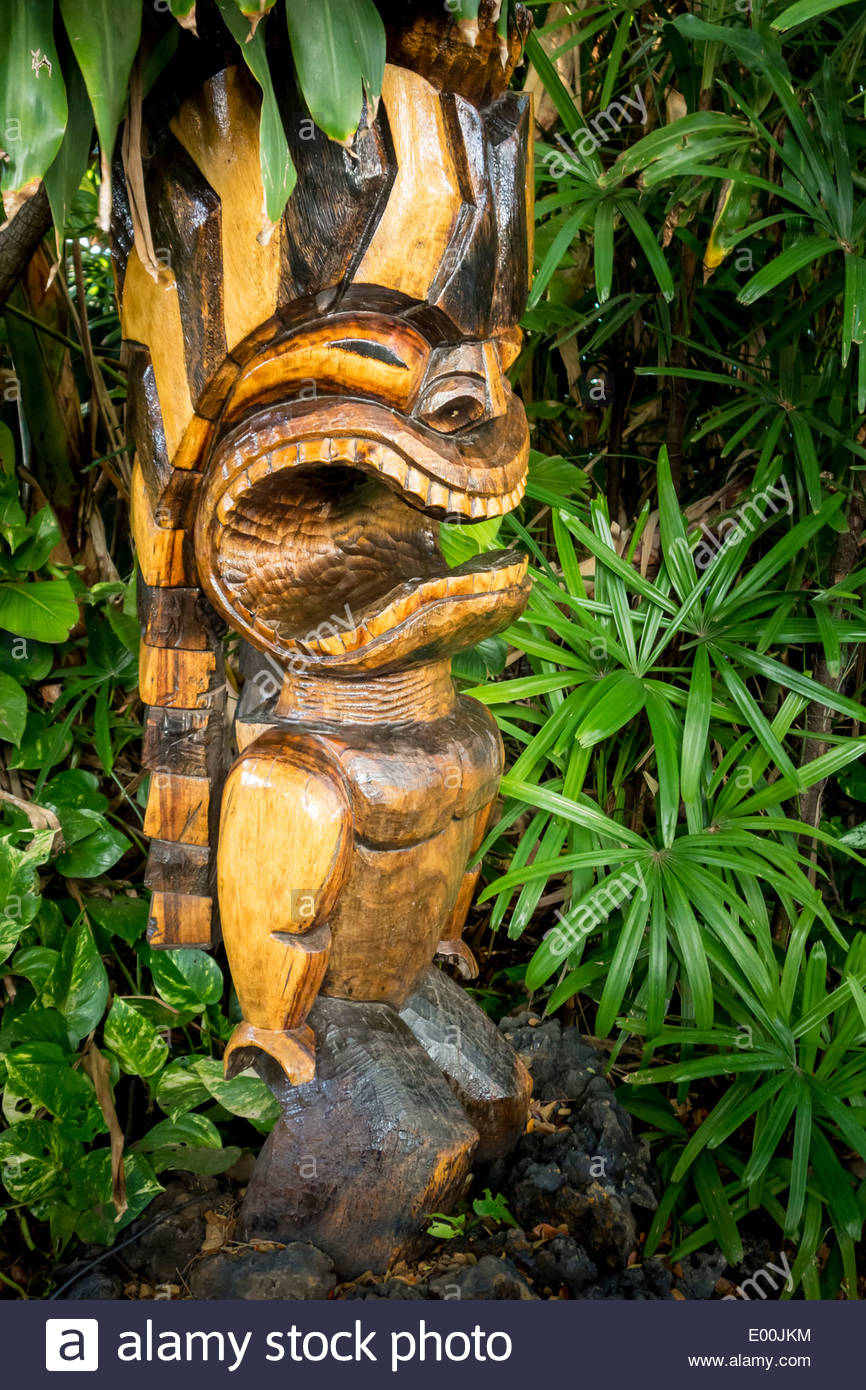
In modern times, tiki statues have gained popularity beyond their traditional context. They are often associated with the tiki bar culture that emerged in the mid-20th century, which romanticized Polynesian aesthetics and cultural elements. However, this commercialization raises important questions about cultural appropriation and the preservation of authentic Hawaiian traditions.
Commercialization vs. Cultural Preservation

While tiki bars and merchandise celebrate Hawaiian aesthetics, they often overlook the deep spiritual and cultural significance of the original tiki statues. This has led to a movement among Native Hawaiians to reclaim their cultural symbols:
- Artisans and Cultural Leaders: Many Native Hawaiian artisans are working to create authentic representations of tiki statues that honor their heritage.
- Educational Programs: Initiatives are being established to educate the public about the significance of these figures and the importance of cultural sensitivity.
- Community Engagement: Local communities are coming together to share knowledge and promote understanding of Hawaiian traditions and practices.
Case Studies: Reclaiming Tiki Statues
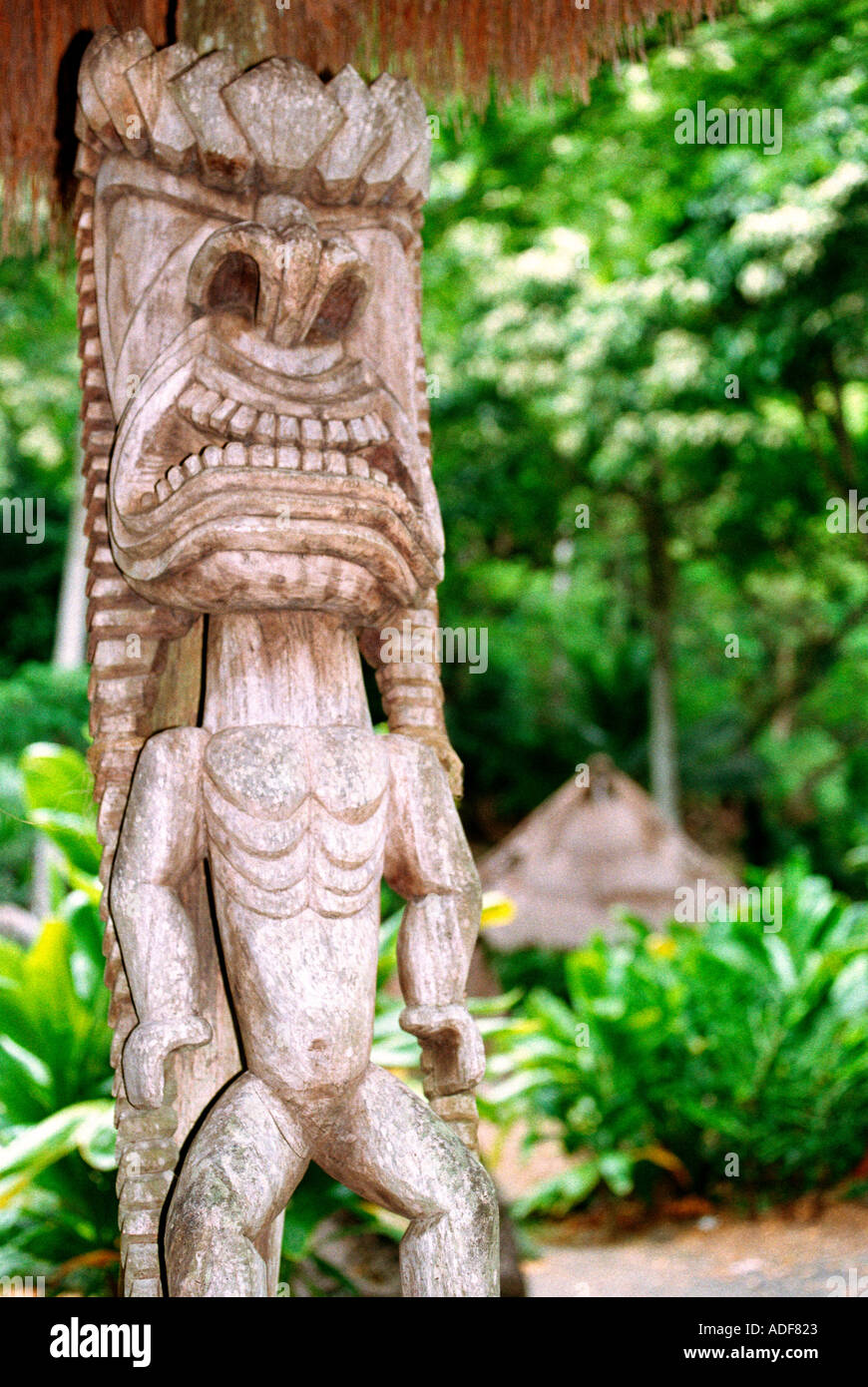
One notable example is the restoration of the “Kamakau” statue at the Bishop Museum in Honolulu, which was originally removed from its sacred site. The museum worked closely with Native Hawaiian cultural practitioners to ensure that the statue was restored in a manner that honored its significance. This cooperation serves as a model for how institutions can engage with indigenous communities to preserve and respect cultural heritage.
Conclusion: The Enduring Legacy of Tiki Statues
Tiki statues are more than mere carvings; they are vital links to Hawaiian history, spirituality, and identity. As guardians of tradition, they embody the stories, beliefs, and values of the Native Hawaiian people. While the contemporary landscape presents challenges in terms of commercialization and cultural appropriation, there is a growing movement to honor and preserve the authentic meanings behind these figures.
In recognizing the importance of tiki statues, we not only appreciate their artistic beauty but also acknowledge the rich cultural heritage they represent. By engaging with and respecting these symbols, we can contribute to the ongoing dialogue about cultural preservation and appreciation, ensuring that the legacy of tiki statues continues to thrive for future generations.
